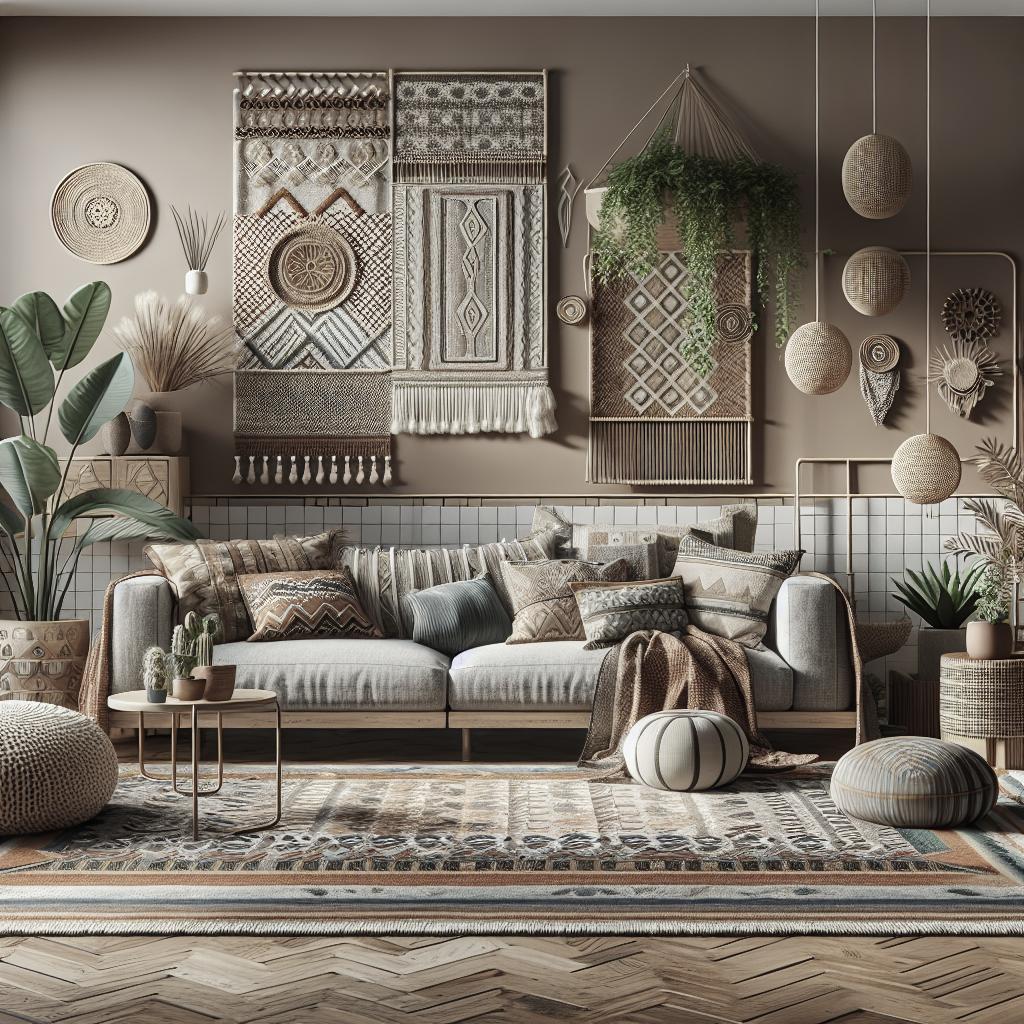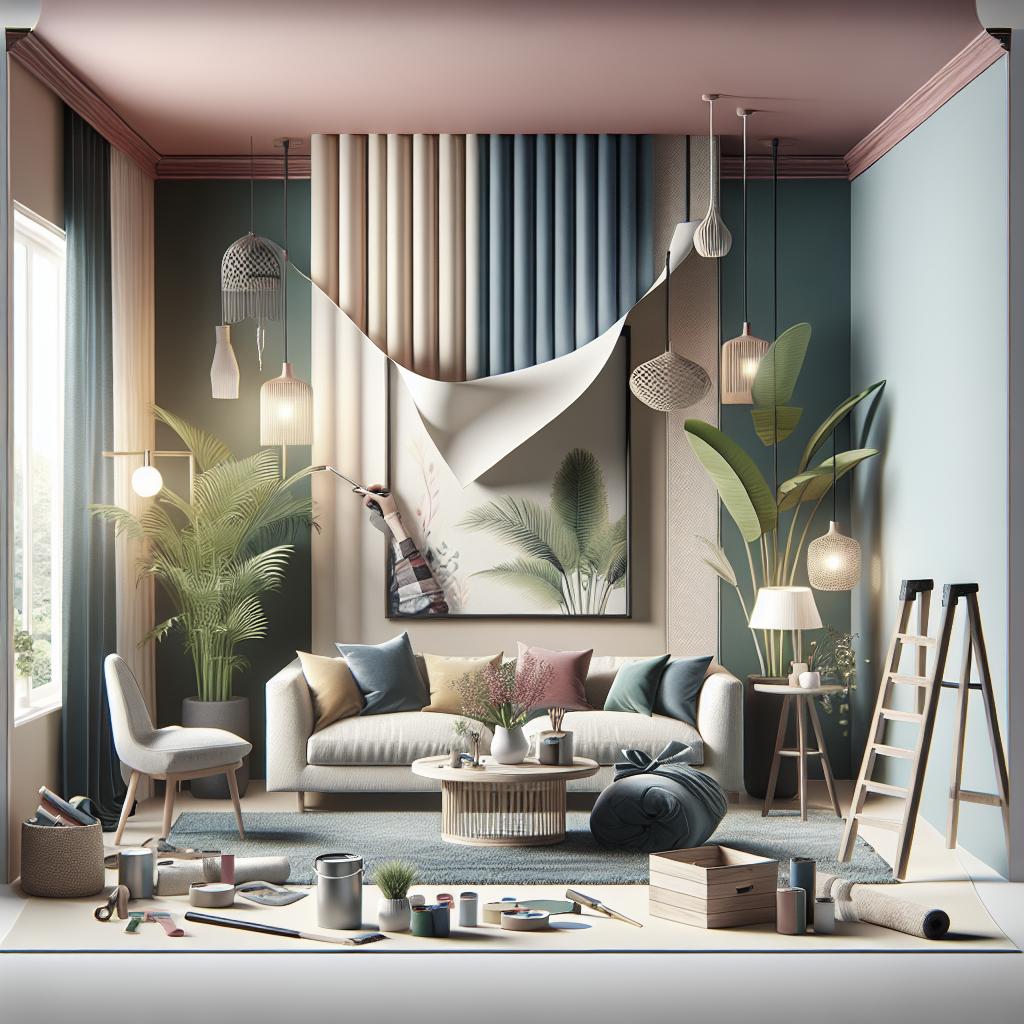
Transforming a plain room into a vibrant, personalized space can often be achieved with a simple, yet effective design element—a well-executed accent wall. Whether you’re working with paint, wallpaper, murals, or textures, accent walls can breathe life into any area of a home without breaking the bank. They provide an exciting opportunity to experiment with colors, textures, and patterns, allowing homeowners to express their personal style while adding depth and dimension to a room. This blog post explores a variety of creative and inspiring ways to use accent walls to create interest in different spaces. From eclectic gallery walls to clever uses of molding, and even the surprising incorporation of stones or bold colors, this guide offers practical ideas and tips to help you transform your home one wall at a time. Dive into the world of accent walls and discover how a simple alteration can markedly elevate the ambiance and character of your home. ## Hang an Eclectic Gallery Wall One of the simplest yet most impactful ways to create an accent wall is by hanging a gallery wall. This approach lets you display a diverse array of art pieces, photos, and decorations that reflect your personality and interests. The beauty of a gallery wall lies in its versatility; you can mix and match frames, art styles, and even three-dimensional objects to achieve an eclectic look. To start your gallery wall, choose a color scheme or theme that complements the room’s décor. You could opt for a monochrome collection of black-and-white photography for a sophisticated look or a vibrant assortment of colorful art pieces for a more playful feel. Play with different frame sizes and orientations to add depth and interest, and consider leaving some spaces open to add new pieces over time, allowing the wall to evolve. Remember the layout is key. Before nailing anything to the wall, arrange your collection on the floor or use painters’ tape on the wall to map out your design. Keep in mind the balance and spacing between pieces to prevent the wall from looking cluttered. ## Get Clever with Molding Molding is a classic way to add texture and interest to a wall, and when used creatively, it can turn a plain surface into a dynamic feature. Molding can be applied in a variety of ways—from simple chair rail designs to elaborate wainscoting or picture frame molding. This technique works particularly well in formal spaces like dining rooms or entryways, where a touch of elegance can enhance the overall atmosphere. To incorporate molding into your accent wall, first decide on the effect you wish to create. For a traditional look, opt for symmetrical designs with linear patterns. Alternatively, you might choose more intricate or asymmetrical patterns for an avant-garde appeal. Consider painting the molding the same color as the wall for subtle texture, or, for a bolder statement, choose a contrasting paint color to highlight the details. The installation process can be a DIY project if you have the right tools and patience—there are plenty of tutorials and resources available. However, if you’re aiming for a more complex design, it may be worth consulting with a professional to ensure precision and quality. ## Make Your Wall Both Fun and Functional Functionality can go hand-in-hand with aesthetics when designing an accent wall. Consider transforming a plain wall into a multi-purpose space by adding functional elements such as shelving, hooks, or pegboards. This is particularly useful in homes where space is limited, as you can create a feature wall that serves both decorative and practical purposes. Shelving units can be used to showcase decorative items, plants, or books, while hooks provide a handy solution for organizing bags, jackets, or even kitchen utensils. Pegboards offer flexibility and creativity, allowing you to customize the layout and change its appearance as needed. To maintain a cohesive look, ensure that functional elements match the room’s aesthetic. If your style is rustic, incorporate wooden shelves or metal hooks; for a modern space, opt for sleek, minimalistic designs. The key is to balance aesthetics with usability, ensuring that your accent wall is as practical as it is visually appealing. ## Spice Up the Home Office with a Mural A mural can drastically change the atmosphere of a home office, adding a sense of adventure and creativity to your work environment. Whether you choose hand-painted designs, removable wallpaper murals, or digital prints, the right mural can inspire productivity and set a professional yet personal tone. Select a theme or scene that resonates with you. For instance, a nature-inspired mural can create a calming effect, while a cityscape can energize and motivate. If you work in a creative industry, opt for abstract designs that stimulate the imagination. Remember, the mural doesn’t have to cover the entire wall—sometimes a partial mural can make just as much impact without overwhelming the space. Consider working with a professional artist for a bespoke creation tailored specifically to your vision, or explore DIY options if you’re feeling artistic. Regardless of the method, ensure the colors and themes harmonize with the rest of the room, enhancing the office without clashing with existing decorations. ## Create a Focal Point in the Powder Bathroom Powder bathrooms often have limited space, making them ideal candidates for a dramatic and eye-catching accent wall. This small but crucial area of a home deserves as much attention as other rooms, and with the right treatments, you can create a memorable impression for guests. Use bold wallpapers or paint colors to create a dynamic backdrop. Large-scale patterns, intricate florals, or geometric designs can transform the powder room into an elegant and exciting space. If you prefer a minimalist look, consider a colored or textured tile wall, adding a level of sophistication with minimal fuss. Accessories play a significant role in complementing an accent wall. Think carefully about fixtures and mirrors that will enhance the design, rather than detract from it. Choose elements that resonate with the wall’s theme, creating a cohesive and polished look that brings the tiny room to life. ## Make a Statement with Board and Batten in the Entryway Board and batten walls have made a comeback as a stylish way to add character and charm to homes. Utilizing this technique in an entryway can set the tone for the rest of the house, providing a warm and welcoming atmosphere as soon as you step through the door. The board and batten method involves placing narrow wooden strips (battens) over a flat base (boards), creating a pattern that can be customized to suit your style—be it traditional, modern, or farmhouse. This type of accent wall is particularly effective in entryways, offering an opportunity to incorporate hooks or shelving for additional functionality. You can choose to paint the board and batten wall in a bold color that contrasts with the rest of the walls, or keep it light and airy to enhance natural light and open up the space. Regardless of your choice, ensure the colors and design complement the rest of your home’s décor, setting an inviting tone for residents and visitors alike. ## Say Hello to a Stone Wall Nothing says luxury and timelessness quite like a natural stone wall. Whether it’s faux stone, real stone slabs, or stone veneer, this type of accent wall imparts a sense of texture and depth that can transform any room. Stone accent walls work particularly well in living rooms, dining areas, or outdoor patios. The type and color of the stone should match the overall aesthetic of your space. Lighter stones can make a room feel larger and more open, whereas dark stones can add warmth and coziness. Consider mixing different stone textures and sizes to create an intriguing visual effect, or go for a clean, monochromatic look for a stylish minimalist approach. Stone walls naturally draw attention, and it’s important to balance them with the other elements in the room. Select furniture and decorative items that either complement or deliberately contrast with the stone to ensure a harmonious and well-designed space. ## Implement a Curved Design Curved designs bring a unique softness and interest to an accent wall. Whether through paint, wallpaper, or the curvature of shelving and moldings, curves can break up the linearity of traditional wall designs and introduce an organic, flowy aesthetic to a room. Curves can be used to create a variety of effects, from gentle waves that provide a subtle backdrop to bold arches that frame key architectural features. Experiment with color gradients to enhance the effect of the curves and heighten the visual impact. Curved wall shelves or furniture can also play into this theme, reinforcing the thematic unity of the room. Incorporating curved elements into an accent wall requires thoughtful consideration of space and proportion. The curves should feel natural and intentional, fitting seamlessly into the existing room layout without seeming forced or out of place. ## Try a Two-Tone Look A two-tone accent wall can be an excellent way to experiment with color and create a bold statement without overwhelming the space. This approach involves splitting the wall into two halves—either horizontally, vertically, or diagonally—and painting each section a different color. When choosing colors, aim for complementary or contrasting shades that enhance the room’s aesthetic. A dark bottom and light top can visually elevate the room height, whereas side-by-side colors can make a room feel wider. Alternatively, creating a diagonal divide can add a dynamic twist and sense of movement to the wall. The two-tone approach allows for endless customization and can be used to subtly delineate zones within an open-plan space or to provide a cohesive link between contrasting elements in a room. Ensure that the lines separating the two tones are clean and precise for the best visual effect. ## Camouflage Closets Creatively Transforming the exterior of a closet door into an accent wall can seamlessly integrate storage solutions while bringing an additional layer of design to the room. By camouflaging closets creatively, you can turn a functional piece of furniture into an aesthetic focal point. Consider using paint, wallpaper, or mirrored finishes that align with the surrounding walls, granting the illusion of a continuous surface and thus making the closet fade into the background. Alternatively, make the closet the star of the room by choosing a bold color or pattern that starkly contrasts with adjacent walls, adding depth and character. This camouflage technique is especially beneficial in smaller rooms where space is at a premium. By making closets part of the room’s design, even utilitarian aspects enhance, rather than impede, the overall aesthetic flow. ## Select a Wall Mural for Behind the Bed The wall behind a bed is a prime location for an accent wall, and a mural can inject personality and a sense of atmosphere into a bedroom space. This approach offers a more permanent feature compared to traditional wall art, becoming an integral part of the room’s design. Choose a theme that elevates the mood you want to create in your bedroom. Soft landscapes or dreamy abstract patterns can promote relaxation and restful sleep. Alternatively, bold modern graphics can energize the space, infusing it with character and style. When selecting colors for the mural, consider the palette of your bedding and other bedroom furniture. The wall should complement rather than compete with existing elements, providing a balanced and harmonious environment conducive to rest and rejuvenation. ## Use Bright Colors and Plants to Breathe Life into Any Space Bright colors are an excellent way to energize a space and capture attention. When combined with the natural vibrancy of plants, they can transform a dull room into a lively and inviting haven. Whether used in a living room, kitchen, or bathroom, this combination is universally uplifting. Select a striking color for your accent wall—traditional bold reds, cheerful yellows, or rejuvenating greens can all serve as stunning backdrops for lush plant life. Once the paint is dry, introduce a variety of plants that complement the wall’s hue. The greenery will not only add visual depth but also purify the air and enhance the room’s overall vibe. Incorporating a variety of plant sizes and textures can break the monotony and add interest. Ensure the plants have adequate light and water for optimal growth. The contrast between the living wall and the bright color will create a dynamic, balanced space with an intrinsic sense of vitality and calm. ## Display a Collection of Baskets Baskets are a versatile and tactile option for creating an unexpected but effective accent wall. By utilizing baskets of different shapes, sizes, and textures, you can group them creatively to form an impressive visual element in any room. The woven patterns and natural materials often seen in baskets introduce a hint of rustic charm and warmth, making them excellent choices for accent walls in living rooms, dining areas, or even hallways. Mixing circular and oval shapes arranged in a non-linear array can enhance the organic feel and visual interest. As baskets come in a wide array of colors and patterns, you can either stick to a neutral palette for a classic look or incorporate colorful pieces to liven up the space. This type of accent wall is not only visually stunning but also speaks to sustainability and the importance of natural elements in interior design. ## Opt for Wood Paneling in a Bold Color Wood paneling may evoke images of vintage homes, but when painted with a bold, contemporary color, it can create a strikingly modern accent wall. Wood introduces warmth and texture to a room, and with a confident color choice, it becomes a vivid statement piece. When selecting wood paneling, think beyond traditional horizontal or vertical layouts. Consider chevron, herringbone, or even a decked pattern to create additional layers of visual complexity. Painting the paneling in bold shades like navy blue, forest green, or even a daring pink can move the wall into a more modern era. Ensure the room’s remaining design elements are balanced and coordinated. Boldly painted wood paneling creates a strong feature, so other elements should harmonize without overwhelming or clashing, ensuring that the wall remains the focal point without causing disharmony within the space. ## Add Visual Interest to a Gallery Wall with Unexpected Finds Adding unexpected items to a gallery wall can transform it from a simple art display into a curated work of art. Think beyond traditional framed photos and paintings; incorporate elements like textiles, mirrors, or ironworks to elevate your design. Unexpected finds like antique trays, vintage signs, or sculptures can offer intriguing contrasts when displayed amongst more typical gallery wall fare. Often, incorporating such unique elements can act as conversation starters while showcasing your individual taste and individuality. The key to executing this idea successfully lies in maintaining harmony. Despite the eclectic nature of your chosen pieces, ensuring color tones or thematic links can result in a cohesive and sophisticated gallery wall that isn’t overly cluttered or chaotic. ## Repurpose Antique Frames Incorporating antique frames into an accent wall can add layers of history and character. These frames, with their intricate details and aged patina, can add a touch of vintage charm and sophistication to any room. Use the frames to highlight special art pieces or weave empty frames into a gallery wall to add texture. You might opt to paint the frames a uniform color for a more contemporary take, or allow their natural, worn finishes to speak for themselves, forming an organic, timeworn wall of memories. Explore flea markets or antique shops to find a variety of frames. Mix styles and sizes for a whimsical effect, or create a more orderly arrangement for a classical look. Repurposing antique frames is not only sustainable but also infuses a unique narrative into your décor. ## Try Your Hand at a DIY Floral Mural If you’re passionate about DIY projects, creating a floral mural can be a gratifying way to personalize an accent wall. Floral designs can bring an element of beauty and serenity to a space, suited especially well to bedrooms, nurseries, or living areas. Begin by selecting your preferred floral theme, whether it’s an array of wildflowers, a single bloom magnified for impact, or an abstract take on floral patterns. Sketch your design lightly in pencil before applying paint to ensure the layout suits the dimensions of the wall. Choose colors that complement the room’s color scheme to avoid over-saturation. Whether you’re painting freehand or using stencils, the results will bring a touch of nature indoors and allow your artistic flair to shine prominently within your home. ## Go Bold with Black Enveloping an accent wall in black can instill a sense of drama and elegance that’s difficult to achieve with other colors. Far from making a room feel small or dark, black can create depth and highlight architectural details, especially when paired with contrasting elements. For rooms with abundant natural light, the starkness of black can be softened with decor elements in softer tones. Pair a black wall with light-colored furniture and art to achieve a modern yet balanced atmosphere. In spaces with darker undertones, combine the black accent wall with metallic finishes or bold patterns for added interest. Accent the wall with brass sconces, artwork, or mirrors to reflect light and introduce different textures. Despite its initial intensity, black serves as a versatile backdrop, allowing almost any decor style to be played out against its timeless, mysterious depth. ## Look to Your Backsplash for Inspiration A kitchen backsplash presents a nifty opportunity to carry design themes into other parts of the home. Utilize similar materials or patterns on an accent wall in an adjoining area to create a sense of connectivity and flow. If your backsplash is made of colorful tiles, extend those colors to a feature wall in the dining room or hallway. This not only creates a cohesive design but also enhances the overall visual impact of adjacent spaces. Similarly, if your backsplash features geometric patterns, consider applying similar designs in other parts of the home to unify your aesthetic. Repurposing backsplash tile as an accent wall element can add cohesiveness to open-plan spaces. Just ensure the colors and materials harmonize, contributing to a holistic environment rather than overwhelming or clashing with other elements. ## Frequently Asked Questions ### Can You DIY an Accent Wall? Absolutely! Many options for accent walls are perfect for a DIY approach. Whether it’s painting, applying wallpaper, or installing molding, there are numerous resources and tutorials available. DIY projects not only allow for personal expression but can also be a cost-effective way to transform your space. ### Can You Incorporate an Accent Wall into a Small Space? Definitely. Accent walls can make a small space feel larger by adding depth and focal points. Opt for lighter colors to open up the room or bold patterns to create interest. Consider which wall to accentuate carefully, often the one that draws the eye when you first enter the room. ### Do Accent Walls Complement All Aesthetics? Accent walls can be adapted to suit all design aesthetics—from minimalist and modern to rustic and traditional. The key is selecting a method and material that aligns with the overarching theme of your home. Whether through color, texture, or pattern, there’s an accent wall to complement every style. ### What is the Rule for Accent Walls? There are no strict rules, but general guidelines suggest choosing walls that naturally draw attention, like those behind a bed or sofa. Consider balance in the room, creating focal points without overwhelming other design elements. Ultimately, let personal taste and the desired effect guide your choices. ### Are Accent Walls in Style in 2023? Accent walls continue to be popular, adapting to trends yet maintaining timeless appeal. This year, bold colors, organic materials, and innovative designs are prominent, allowing for customization to individual taste and home aesthetics. ### How Do You Make an Accent Wall Cheap? Creating a budget-friendly accent wall can be as simple as applying a fresh coat of paint or using removable wallpaper. Upcycling materials, such as old wood or leftover tiles, or exploring second-hand shops for unique frames or decor can also contribute to an affordable and creative process. ### Are Two Accent Walls Too Much? Two accent walls may work, especially in larger or open-plan spaces, but consider the overall design balance. Two focal walls need careful coordinating to ensure cohesion and avoid clashing. Ensure each wall serves a distinct purpose and compliments other design elements.
| Accent Wall Idea | Description |
|---|---|
| Hang an Eclectic Gallery Wall | Display a diverse array of art pieces to reflect personal style. |
| Get Clever with Molding | Add elegance using chair rail, picture frame molding, or wainscoting. |
| Make Your Wall Both Fun and Functional | Incorporate shelves or pegboards for decorative and practical use. |
| Spice Up the Home Office with a Mural | Use murals to inspire creativity and personalize the workspace. |
| Create a Focal Point in the Powder Bathroom | Utilize bold patterns or textured tiles for a dramatic effect. |
| Make a Statement with Board and Batten in the Entryway | Add character with board and batten panels, painted to your taste. |
| Say Hello to a Stone Wall | Introduce luxury and timelessness with natural or faux stone. |
| Implement a Curved Design | Utilize curves to add softness and flow to the accent wall. |
| Try a Two-Tone Look | Divide the wall into different color sections for visual interest. |
| Camouflage Closets Creatively | Seamlessly integrate closets as part of the room’s aesthetic. |
| Select a Wall Mural for Behind the Bed | Use murals above headboards to create atmosphere and personality. |
| Use Bright Colors and Plants to Breathe Life into Any Space | Pair vibrant walls with plant life for a lively room. |
| Display a Collection of Baskets | Utilize baskets’ textures for a natural and artistic wall. |
| Opt for Wood Paneling in a Bold Color | Revitalize wood panels with modern color for dramatic impact. |
| Add Visual Interest to a Gallery Wall with Unexpected Finds | Incorporate unusual items to make your gallery wall stand out. |
| Repurpose Antique Frames | Antique frames add historical charm and interest to walls. |
| Try Your Hand at a DIY Floral Mural | Create custom floral designs for a personalized touch. |
| Go Bold with Black | Use black paint for a dramatic, elegant accent. |
| Look to Your Backsplash for Inspiration | Extend kitchen themes to adjoining spaces for design harmony. |