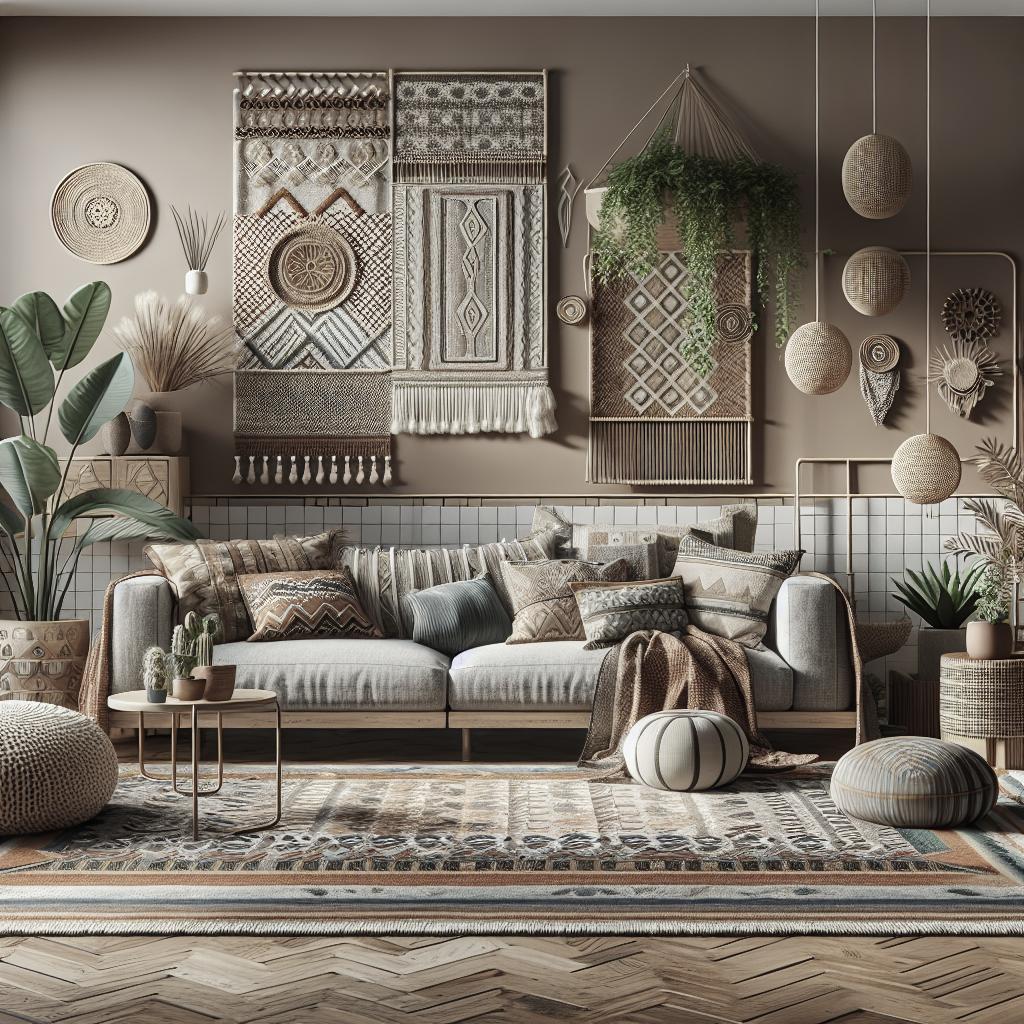
Incorporating feng shui principles in interior design is an ancient Chinese practice believed to harmonize individuals with their surroundings, promoting balance, wellbeing, and prosperity. This art and science focus on how the arrangement of your living spaces can impact your life. By understanding the philosophy behind feng shui, you can transform your home into a sanctuary of peace and positive energy. In this blog post, we’ll explore key feng shui concepts such as the Five Elements—Earth, Metal, Water, Wood, and Fire—and their significance in interior design. We’ll also delve into the Commanding Position, a crucial arrangement principle that influences how energy flows in a room. Furthermore, we offer practical, room-by-room tips to help incorporate these concepts into every corner of your home. Whether you’re seeking to revitalize your living space or enhance the energy flow, these insights can guide you towards a more harmonious environment. ### Looking for an Interior Designer in Toronto? Finding the right interior designer is crucial when you aim to infuse feng shui principles into your living space. If you are in Toronto, you’re in luck as the city boasts several skilled professionals who specialize in this ancient art. These designers not only bring creativity and aesthetic appeal into your home but also a deep understanding of how to harmonize your environment according to feng shui, ensuring each space cultivates equilibrium and positive energy flow. Moreover, partnering with a local interior designer who is well-versed in feng shui can significantly ease the process. They can offer invaluable insight into how every element and placement affects your space. With their expertise, you can ensure that your home not only reflects your personal style but also enhances your wellbeing and prosperity, aligning seamlessly with Toronto’s vibrant and diverse ambiance. ### Five Elements The concept of the Five Elements—Earth, Metal, Water, Wood, and Fire—is integral to feng shui, acting as the underpinning theory for balance and energy flow in your home. Each element is associated with specific colors, shapes, and materials, contributing uniquely to the harmony of your space. #### Earth Earth is the element of stability and nourishment. In feng shui, it’s connected to colors like yellow and brown and is represented by square shapes and ceramics. Incorporating earth elements in your interior design helps create a comforting and supportive environment, often utilized in areas meant for relaxation and grounding, such as living rooms or meditation spaces. By embracing earth tones and materials, you enhance stability and support in family life and personal relationships. This element serves as the foundation in balancing all other elements, fostering a sense of continuity and nurturing within your space. Consider adding earth pots, sculptures, or a collection of natural stones to embody this element. #### Metal Metal signifies clarity, precision, and efficiency. Its associated colors are white, gray, and metallic tones, often seen in round shapes and metal materials. Integrating this element can help streamline thought processes and bring a sense of order to your space, making it suitable for home offices or study areas. Metal elements provide focus and allow for clear communication — attributes that are essential in creating efficient and productive environments. Adding metallic accents like picture frames or light fixtures can introduce the metal element subtly without overwhelming the space, achieving a modern and functional design. #### Water Water represents abundance, refreshment, and adaptability in feng shui. Its primary colors are black and deep blue, and it’s embodied by free-form shapes and mirrors or water features. This element fosters a calming atmosphere, enhancing introspection and fluidity, making it ideal for bedrooms or living spaces. Vibrant yet tranquil, incorporating water elements helps clear mental blocks and promote abundance. Water features, such as fountains or aquariums, can invite prosperity and enhance fluid communication, while mirrors strategically placed can help circulate positive energy and expand space perception. #### Wood Wood symbolizes growth, vitality, and expansion. It is represented by greens and teals, vertical shapes, and wooden materials. Wood is ideal for fostering creativity and personal growth, suitable for creative spaces like studios or children’s rooms. Integrating wood into your design can bring a fresh, vibrant energy that encourages new beginnings and personal development. Living plants, wooden furniture, or artwork featuring trees or botanical designs can invoke the nurturing qualities of the wood element, promoting health and vibrancy in your environment. #### Fire Fire, the element of passion and energy, is associated with red, strong geometric shapes, and light sources. This vibrant element enhances enthusiasm and dynamism, best featured in spaces designed for activity and socialization, such as living rooms or dining areas. Utilizing fire elements can invigorate your home with warmth and expressiveness, ideal for creating engaging and lively atmosphere. By using candles, lamps, and other light fixtures, you are not only integrating the element of fire but also inviting warmth and illumination into your space, promoting activity and dialogue. ### Feng Shui Tips Applying feng shui principles can be as simple as rearranging furniture or changing color schemes. Here are a few general tips: Ensure that each room has a good flow of natural light and air, as these bring positive energy. Position furniture to allow easy movement and consider the entry and exit points for chi, or energy. Avoid clutter, as it obstructs energy flow and creates chaos in the environment. Maintain a balance between the five elements, carefully considering their unique qualities. Each element should be represented in your space, creating harmony through symmetry and complementary contrasts. Thoughtful placement and diversity in elements can rebalance areas with stagnant or excessive energies. ### Commanding Position The Commanding Position is a principle that dictates the optimal placement of essential pieces of furniture, such as beds, desks, and stoves. In feng shui, these pieces symbolize critical aspects of your life: rest, career, and nourishment. Position these items diagonally from the entrance of the room but not directly in line with the door. This configuration allows you to see the energy coming in while maintaining a commanding presence, vital for a sense of security and power. For beds, this position is crucial, as it impacts rest and personal strength; desks, for career progression and success. #### Tip Always ensure that your bed has a solid wall behind it and a clear view of the door without being directly in line with it. Incorporate a headboard for additional support and stability, representing a solid foundation in life. The commanding position brings control and balance, empowering the individual in both the physical and metaphysical realms. ### Room by Room Tips Each room in your home serves a unique purpose and requires its own application of feng shui principles to optimally enhance energy flow and functionality. #### Entry The entryway is crucial as it is the main passage through which energy enters your home. Maintain a clean, clutter-free space that invites positive energy. Use welcoming elements like plants or art, ensuring the entry is well-lit—a beacon for new opportunities and prosperity. Keeping the area tidy and open encourages the flow of beneficial chi. Mirrors should not be directly opposite the door, as they can repel incoming energy. Instead, position mirrors to reflect beauty and amplify light, creating a sense of openness and expansiveness. #### Living Room The living room is a social space, so its design should nurture communication and cohesion. Arrange seating in a circular or octagonal shape to facilitate interaction and balance. Incorporating diverse elements and textures enhances the inviting nature of this communal space. Ensure there’s natural light and flexibility in your seating arrangements to accommodate guests comfortably. A balance of the five elements allows for a dynamic yet harmonized environment, fostering joyful and meaningful connections. #### Kitchen The kitchen is the heart of the home, symbolizing health and wealth. Ensure it is clean and organized, with a balance of elements that evoke warmth and nourishment. The stove’s location is key in feng shui, ideally positioned diagonally from the kitchen door, symbolizing command in alimentation. Use warm colors and include natural elements like wood bowls or clay dishes to stimulate the senses. Ensuring the cook can see the doorway while preparing meals embodies a sense of security and control, enhancing harmony in food preparation and family nourishment. #### Bathroom Balance the water elements in the bathroom to prevent energy drainage. Ensure that all fixtures are in good working condition and leaks are promptly fixed. Position mirrors thoughtfully to enhance space without inadvertently draining energy. Integrate earth elements to stabilize water’s flow, such as earthy tone tiles or decorations. Keeping this space fresh and clean is vital, reflecting purity and clarity—allowing for effortless energy circulation throughout your home. #### Bedroom The bedroom is a sanctuary for rest and intimacy. Its design should promote peace and rejuvenation. Ensure the bed is in the commanding position, and use calming colors like neutral tones to encourage relaxation and tranquility. Avoid electronics and clutter in this sacred space as they disrupt restful energy. Soft lighting and drapes can create a cocoon-like atmosphere, insulating from external chaos and enhancing the intimate quality of this room. #### Tip Introduce soft textures and natural fibers in bedroom decor—a woolen rug, cotton sheets, or a silk throw can imbue this personal retreat with tactile warmth, buffering against stress and promoting restorative sleep. This translates into better health and encourages balanced, harmonious living. ### Summary of Main Points Below is a summary table highlighting the key points discussed throughout this guide on applying feng shui principles to interior design: “`html
| Aspect | Details |
|---|---|
| Five Elements |
|
| Commanding Position | Diagonal furniture placement from door; critical for beds, desks, stoves. |
| Entry | Welcoming, uncluttered, well-lit; mirrors to amplify, not repel energy. |
| Living Room | Seating encourages interaction; balanced elemental display. |
| Kitchen | Cleanliness, element balance; strategic stove placement for wealth. |
| Bathroom | Fix leaks, balance water with earth elements, clean environment. |
| Bedroom | Focus on rest, minimal electronics, command bed position. |
“` By applying these feng shui principles, you align your home environment with timeless energies and improve overall wellbeing, creating spaces that nurture mind, body, and spirit.