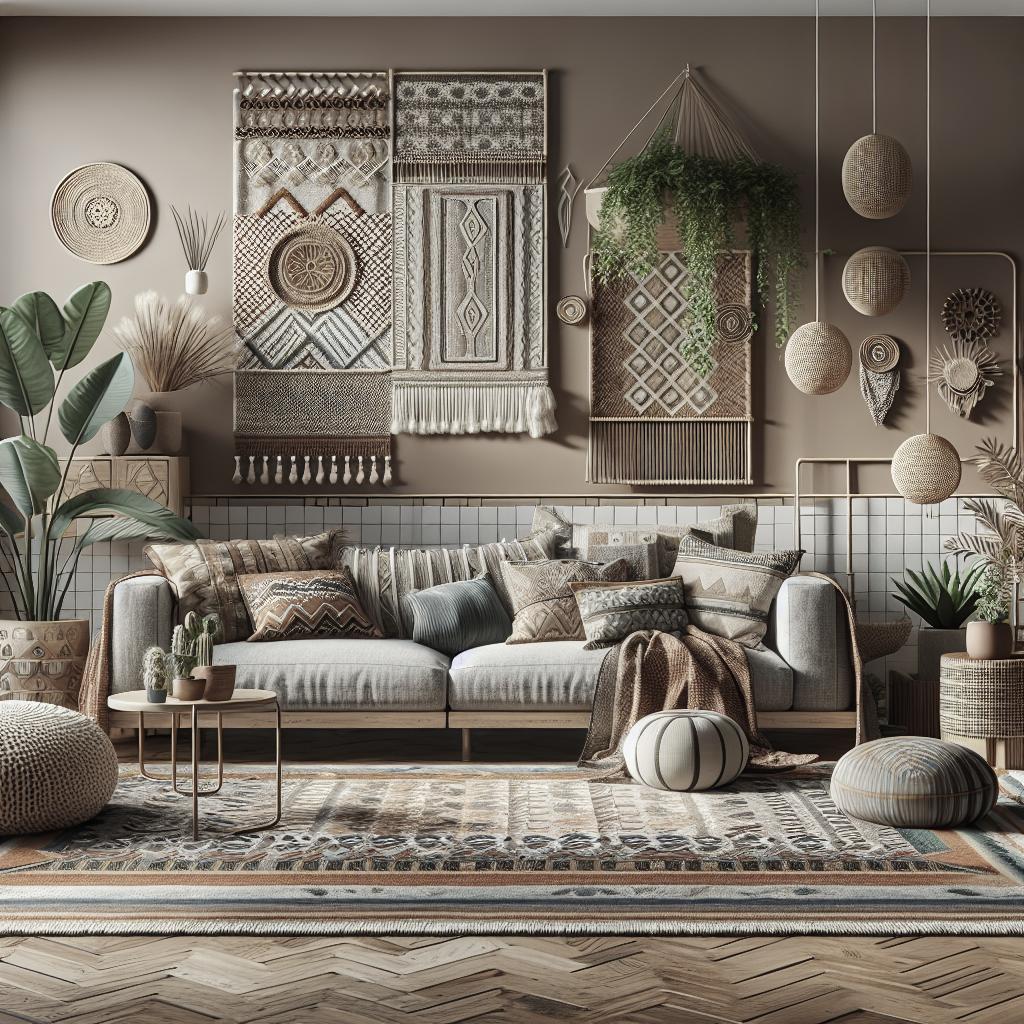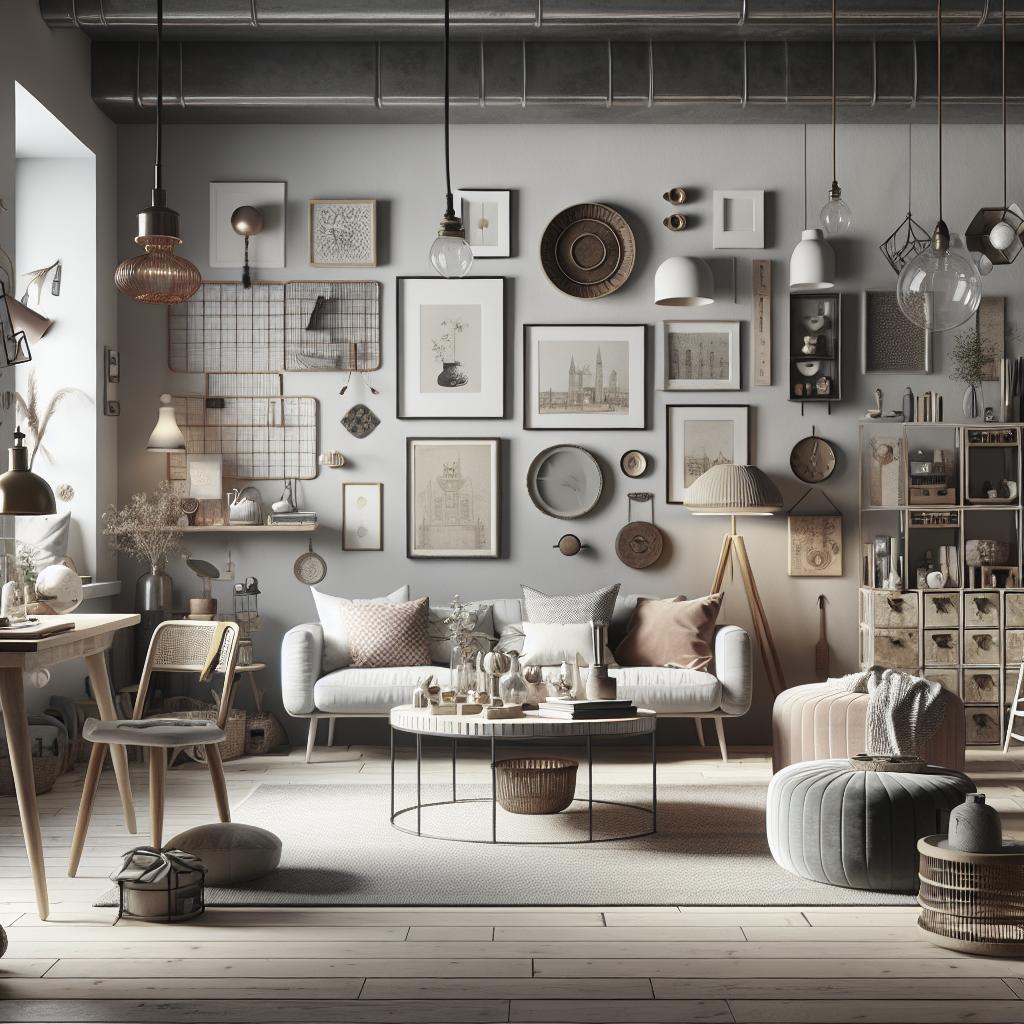
Creating an eclectic style in your home is like being a curator of your own personal museum, where every piece tells a story, and each room reflects your personality and experiences. However, achieving this aesthetic without clutter can be a bit tricky. This blog post will guide you through the process of creating an eclectic home that is stylish and refined. We’ll explore how to mix old and new pieces, incorporate vintage art, and give the appearance of a thoughtfully curated collection. We’ll also delve into the importance of selecting meaningful pieces, layering color intentionally, and maintaining a theme to anchor your design. To add some flair, we’ll discuss integrating quirky elements that provoke interest without overwhelming your space. By following these guidelines, you’ll be able to cultivate an eclectic decor that is both harmonious and inviting, without the chaos that can sometimes accompany mixed styles.
Mix Old and New
A key component of creating a balanced eclectic style is mixing old and new items. This combination brings depth and contrast to your decor, providing a sense of history and a connection to contemporary trends. Start by identifying what you already own, such as a vintage dresser or a modern sofa, and think of how these can coexist. The juxtaposition of an antique mirror with sleek minimalist lighting can create a focal point that feels intentional rather than accidental. Blending old and new doesn’t mean placing them next to each other haphazardly. Instead, aim to integrate them smoothly by focusing on a unifying factor, like color or material. For instance, a mid-century armchair in a room with modern furniture might stand out if it’s in a matching color palette or material, creating a cohesive look. This blend not only makes each piece stand out but also complements the overall style, ensuring that the result is an eclectic space that feels chic rather than chaotic. While mixing eras and styles, consider functionality as well. Utilize the timeless appeal of vintage or antique furniture with the comfort and technology of modern designs. A contemporary sectional sofa can sit comfortably with a 19th-century console table if the space is designed to highlight their mutual qualities, creating a harmonious living area.
Try Vintage Art
Incorporating vintage art pieces can add significant character and storytelling elements to your eclectic design. Vintage art is inherently unique and often carries historical or cultural significance that evokes emotion and sparks conversations. Sourcing these pieces can be an adventure, whether you’re browsing flea markets, local galleries, or online marketplaces. Once you’ve gathered a collection of vintage art, think about their placement. Create visual interest by combining them with modern art pieces, varying not just in eras but also in style and medium. Mix oil paintings with abstract prints or photographs, adjusting the scale and spacing between them to keep the display organized. Group smaller pieces together to form a statement gallery wall, or place a single, larger piece above a significant piece of furniture for bold impact. Choosing vintage art doesn’t always mean expensive. Look for pieces that resonate with your personal taste and integrate them with your existing themes. Selecting artwork that shares a color scheme or complements other elements in the room can pull everything together, enhancing the eclectic yet graceful flow of your home.
Give the Look of a Collection
To give the look of a carefully curated collection, focus on grouping items that tell a story or share a common theme, even if they come from diverse origins. When objects appear to be collected over time rather than bought together, they contribute to an authentic eclectic feel. Use shelving units or wall displays to showcase these items, taking care to include varied heights and textures for added interest. When arranging your collection, balance is key. Position larger, more substantial items at the base or back of the display, graduating to smaller pieces in the foreground. This method prevents the space from feeling overcrowded while retaining the eclectic charm. It can be helpful to step back occasionally and assess the overall composition to ensure that each item has breathing room. For areas like coffee tables or sideboards, try arranging in odd numbers as this tends to feel more natural to the eye. Rotate items seasonally or whenever you wish to refresh the space. Just a few strategically placed groupings of collected items can emphasize personal narratives, giving your home a sense of curated uniqueness.
Collect Pieces With Meaning
Eclectic style celebrates distinctness and personal significance. By collecting pieces with true meaning, you infuse your space with warmth and character that can’t be replicated. These could be cherished belongings from travels or heirlooms passed down through generations; each piece contributes its own story to your decor. Integrate these meaningful items thoughtfully, placing them where they can be seen and appreciated regularly. A handcrafted vase from a memorable trip or a sculpture from an art festival could become the centerpiece on a console table or mantle. Letting your prized objects shine in your living area keeps personal stories alive and makes your home truly unique. Analytical consideration should be given to how these pieces relate to one another within the space to ensure they complement the overall design. This means considering color, shape, and texture. By intentionally arranging meaningful items, your eclectic space will not only reflect various styles and eras but also a curated personal history.
Layer Color Intentionally
Color is a vital tool in crafting an eclectic yet organized style, and when used with intent, it ties together disparate elements cohesively. Begin by selecting a base color palette that acts as the foundation for your design. This doesn’t mean the room needs to be monochromatic—rather that the chosen colors will anchor furnishings and décor pieces. Introduce additional colors through layering—using rugs, throws, cushions, and artwork that complement or contrast your base palette. Diverse hues create a dynamic environment, vibrant yet harmonious. For instance, a neutral room might be enlivened with bold splashes of emerald green or deep blue, creating focal points without overwhelming your original design. Always pay attention to proportion and balance when layering color. Too many bright colors can become chaotic, while too little variety might render the space dull. Adjusting to the seasons, and your moods through temporary elements like cushions and throws is a flexible approach, maintaining vibrancy within your eclectic design.
Keep Within a Theme
Establishing a loose theme can simplify the creation of an eclectic style by providing a guiding principle for visualization and decor selection. Your theme could be a concept like “global traveler,” illustrated through the mix of different cultural artifacts and furniture styles, or it could be a color scheme that ties diverse elements together. Themes help in unifying varied pieces under a cohesive umbrella, giving the eclectic interior a polished look rather than an appearance of randomness. Resist straying too far away from your theme with new additions, as this may disrupt the aesthetic balance achieved. Instead, select pieces that both excite you and align with your theme, ensuring consistency. Even within a theme, allow room for flexibility and evolution. Sometimes a new piece can redefine or expand a theme; remain open to this fluidity. Striking the fine balance between a guiding theme and free-spirited eclecticism can lead to a home that fascinates and welcomes friends and family alike.
Incorporate a Few Quirky Touches
Adding quirky or unexpected elements into your decor can enhance the character of your eclectic style, offering an element of surprise and intrigue. Quirky touches can range from a uniquely shaped lamp to a playful sculpture or an unusual piece of furniture that serves as a conversation starter. Select these elements sparingly to maintain balance within the room. In smaller doses, quirky accents inject personality and charm without overwhelming the space. Consider placing these items where they don’t compete with functional furniture or critical design elements. A whimsical throw pillow or colorful vase might be all the magic needed to elevate your design without cluttering. These quirky additions should be reflective of your personal taste, adding an intimate touch to your home. By limiting these accents to intentional places, you maintain an airy, relaxed vibe. Just a few well-chosen quirky touches can make all the difference, leaving your guests not only charmed but inspired. Final Thoughts Using the strategies in this guide, creating an eclectic style becomes an exciting opportunity to express yourself while maintaining an orderly, chic environment. The table below summarizes the key points and tips:
| Key Strategy | Key Points |
|---|---|
| Mix Old and New | Combine eras with unifying elements; focus on balance and functionality. |
| Try Vintage Art | Integrate with modern pieces; focus on placement and theme consistency. |
| Give the Look of a Collection | Group with purpose; balance sizes and spacing for order. |
| Collect Pieces With Meaning | Display items of personal significance with intention and coherence. |
| Layer Color Intentionally | Use a base palette; introduce contrasting accents for vibrancy. |
| Keep Within a Theme | Select a guiding concept; maintain consistency while allowing evolution. |
| Incorporate a Few Quirky Touches | Add personality through sparing, playful elements; reflect personal taste. |
Implement these ideas throughout your home to craft an eclectic ambiance that speaks volumes about your style with clarity and sophistication.