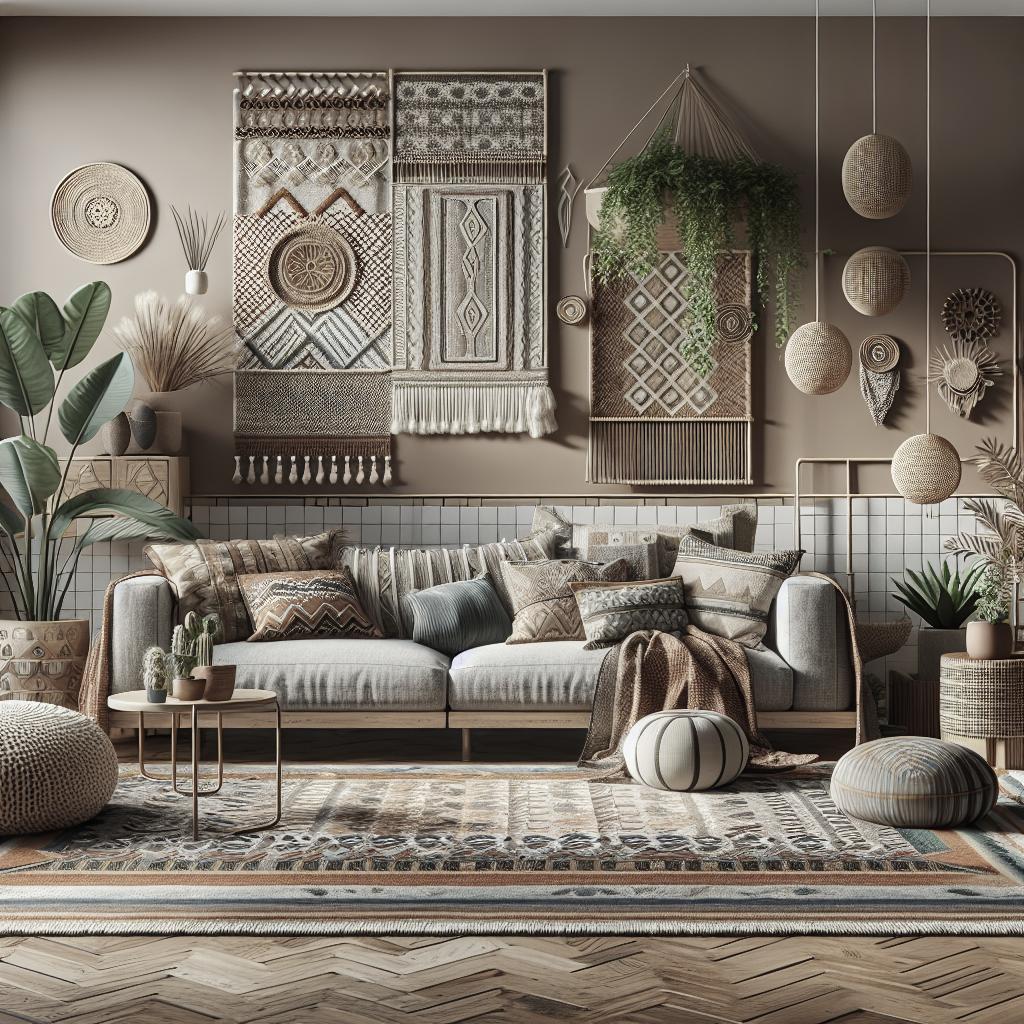
Incorporating Local Art into Design: A Creative Exploration Incorporating local art into design is an enriching practice that combines cultural heritage with contemporary aesthetics, enhancing both the visual appeal and the cultural value of spaces. This comprehensive guide will explore various strategies for integrating local art into design projects, aiming to inspire designers to consider local artistry as a powerful tool for creating unique and meaningful environments. We’ll delve into the significance of local art, practical ways to incorporate it, and showcase how different design elements can come together to reflect the vibrant tapestry of cultural influences. From urban landscapes to interior spaces, discover how local art can transform mundane settings into dynamic areas that resonate with both locals and visitors. — Rate this article Local art offers a deeper connection to the culture and environment of a place, resonating with both designers and the community. Incorporating local art into design begins with understanding its significance. Local art encompasses various forms, styles, and traditions unique to a particular area, providing insight into its history and cultural evolution. When designers consider local art in their projects, they tap into the rich narratives that come with it, adding layers of meaning and context to the design. One effective approach is collaborating with local artists. This not only provides authenticity but also fosters a symbiotic relationship, where designers and artists inspire each other. By engaging with local artists, designers can discover unique materials, motifs, and techniques that are reflective of the area’s cultural identity. This collaboration can lead to innovative design solutions that celebrate local art in a nuanced manner. — Thanks for your feedback The integration of local art into design projects can revitalize spaces and foster community pride. Designers can use various materials to incorporate art seamlessly into their projects. For instance, murals or graffiti art, often reflecting social or historical themes, can transform building facades or interior walls, infusing spaces with energy and cultural relevance. Sculptures or installations in public spaces can serve as focal points, drawing attention and encouraging interactions within communities. Moreover, textiles and handcrafted items can be woven into interior design schemes, offering a tactile connection to local craftsmanship. By choosing furniture, upholstery, and decorative items created by local artisans, designers support the local economy and introduce authentic components into their designs. This not only enhances the visual experience but also creates a narrative that speaks to the region’s craftsmanship and innovation. — Tell us more Understanding the role of local art in the context of landscape architecture provides additional layers of engagement and meaning. Incorporating local art can transform an ordinary space into a landmark of cultural significance, enhancing both aesthetic and functional dimensions. For example, using local materials in landscaped areas can create a sense of place, making the design more relatable and grounded. Furthermore, landscape architecture can integrate art through curated pathways, artistic benches, and interactive art pieces that invite public interaction. By doing so, designers encourage people to explore and experience the space in new ways. Such integration not only beautifies the environment but also makes it an inclusive space where art and nature come together. — More articles on Landscape Architecture Exploring diverse ways to implement local art in landscape architecture enriches both the space and community engagement. Outdoor spaces provide an ideal setting for large-scale works and interactive installations that embody the locale’s spirit. Botanical gardens, public parks, and urban plazas can be adorned with artworks that are inspired by indigenous flora, fauna, or historical events tied to the area. These installations can serve as educational pieces, inviting observers to learn about the local environment and heritage. By embedding storytelling elements into the landscape, these spaces turn into living museums that highlight local culture through artistic expression, making them both enlightening and visually captivating. — Are you sure you want to delete your contribution? Respecting and preserving the integrity of local culture is crucial when incorporating art into a design. Designers must approach this process with sensitivity, ensuring that the cultural elements they use are represented accurately and respectfully. This requires an active dialogue with local communities and cultural experts to obtain insights and guidance. Incorporating art responsibly also means acknowledging and crediting the original creators or cultures from which the art is derived. Proper consultation and collaboration with artists and cultural representatives can prevent unintentional misinterpretations or appropriations. This process not only honors the source of inspiration but also fosters genuine respect and understanding between designers and local cultures. — Are you sure you want to delete your reply? Navigating the complexities of art incorporation demands a careful balance between creativity and respect. The integration should enhance the design without overshadowing the original cultural expressions. By striking this balance, designers can develop projects that are not only aesthetically appealing but also meaningful and significant to local communities. To achieve this, incorporating educational elements into the design can foster greater appreciation and understanding of the local art. Interpretive signs, brochures, or guided tours can provide context and background information on the artworks featured in the design, helping to educate the audience about the cultural nuances and significance behind the artworks. — LA DOWNTOWN NEWS – HALEH MASHIAN FEATURE The case of Haleh Mashian, featured in LA Downtown News, showcases a successful incorporation of local art in urban settings. By incorporating locally inspired art in her projects, Mashian demonstrates how design can reflect the vibrant culture and history of Los Angeles while creating spaces that are inclusive and welcoming. Projects like those by Mashian illustrate how local art contributes to the identity and vibrancy of a community. By integrating artworks that resonate with the area’s culture and history, such designs do more than just beautify—they embed cultural narratives into the urban fabric, creating spaces that are both attractive and culturally significant. — Final thoughts To creatively incorporate local art into design, it’s essential to use thoughtful strategies and a deep respect for cultural narratives. By fostering collaborations with local artists, utilizing a variety of artistic mediums, and engaging communities in meaningful ways, designers can create spaces that reflect true cultural richness. Integrating local art transforms environments, elevating them beyond mere functionality to become vibrant expressions of local identity and heritage.
| Section | Content Summary |
|---|---|
| Introduction | Overview of incorporating local art into design, highlighting its opportunities and cultural value. |
| Rate this article | Discusses understanding and appreciating local art through collaboration with artists. |
| Thanks for your feedback | Covers the integration of local art into both interiors and exteriors through various materials. |
| Tell us more | Explains the role of local art in landscape architecture, enhancing spaces with cultural elements. |
| More articles on Landscape Architecture | Explores ways to use local art in public outdoor spaces for education and engagement. |
| Are you sure you want to delete your contribution? | Emphasizes the importance of cultural respect and integrity in using local art. |
| Are you sure you want to delete your reply? | Discusses the balance between creativity and cultural respect. |
| LA DOWNTOWN NEWS – HALEH MASHIAN FEATURE | Presents a case study of successful local art integration in urban design. |
| Final thoughts | Summarizes key strategies for thoughtfully incorporating local art into design projects. |