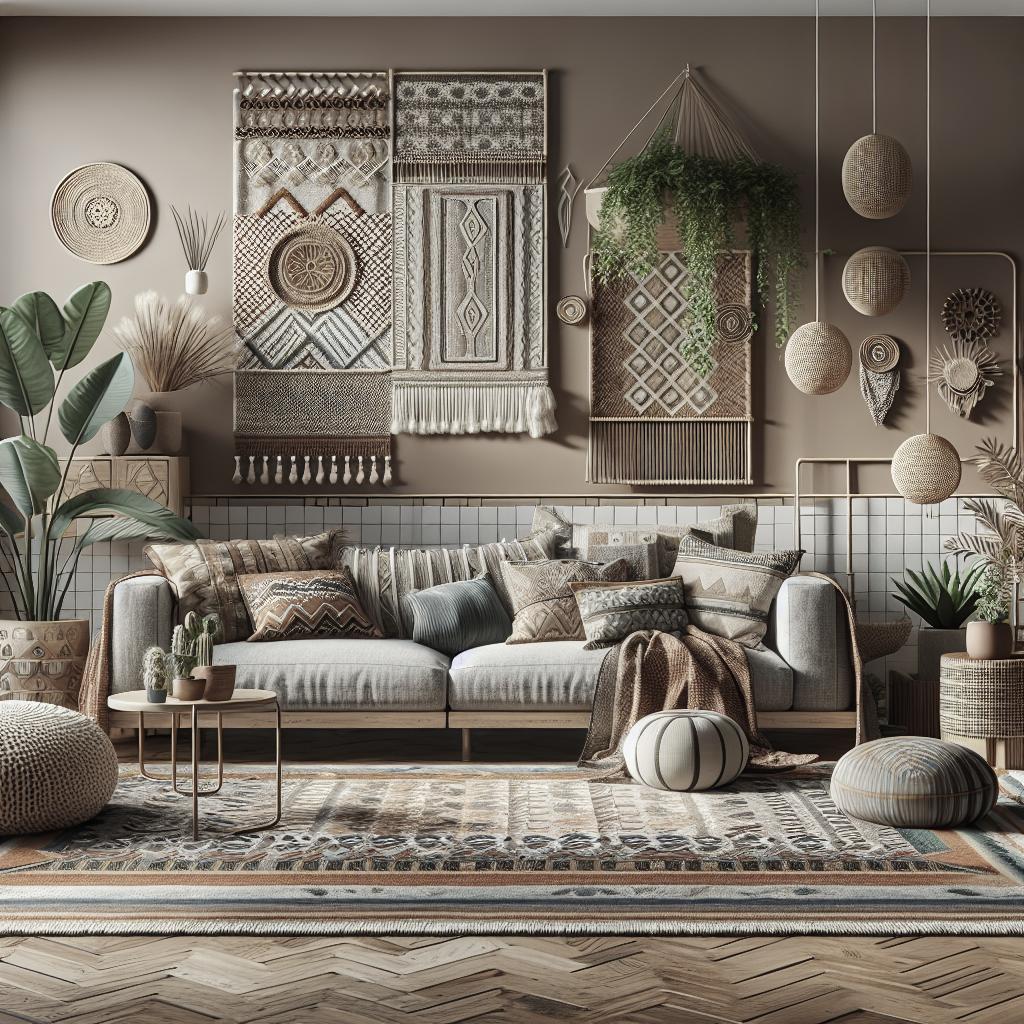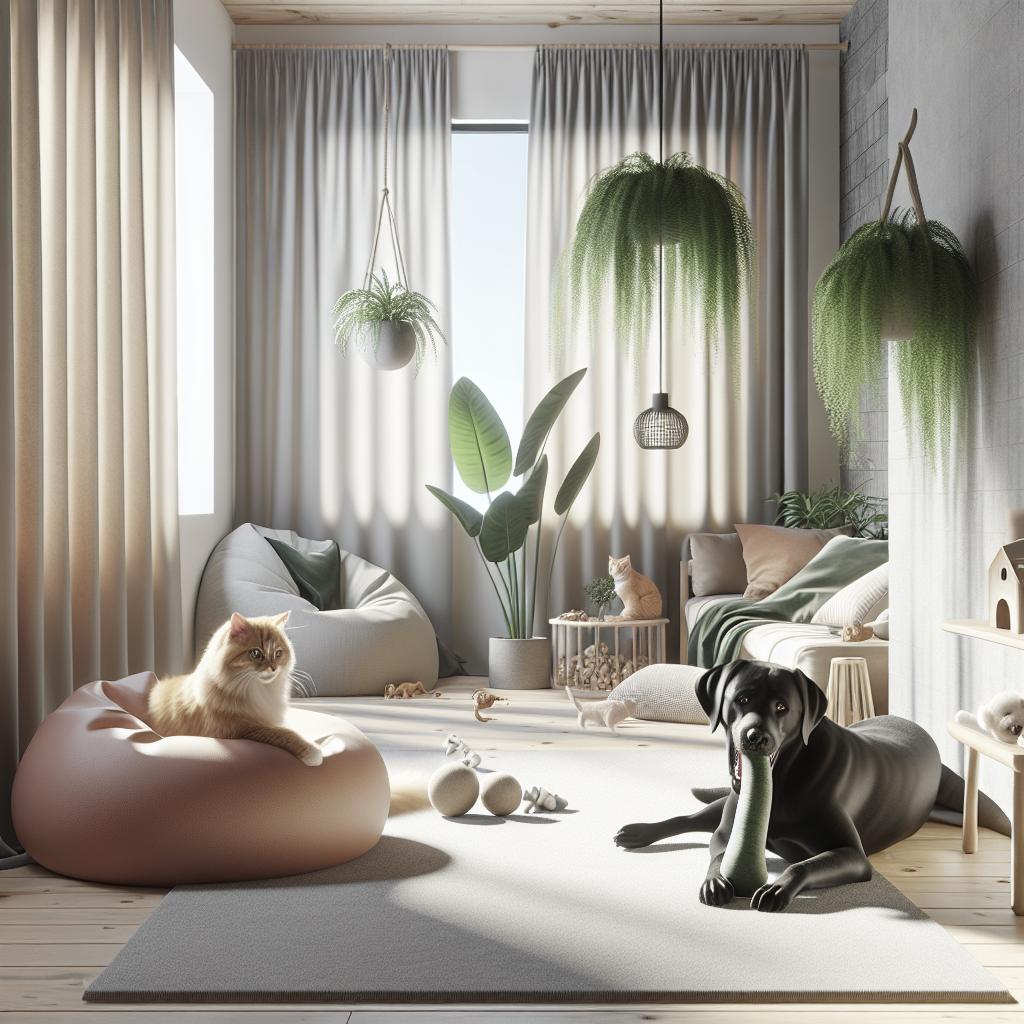
Designing a pet-friendly living space is an enriching journey, allowing you to create an environment that not only caters to your pet’s needs but also complements your lifestyle. This blog post explores the essentials of crafting a home where both humans and pets coexist harmoniously. We’ll delve into the importance of creating a sensory haven with appealing scents, choosing durable and stylish pet-proof furniture, and designating dedicated spaces for your furry companions. We’ll cover effective strategies for keeping dirt and debris at bay, while also managing pet hair through regular grooming routines. Whether you’re accommodating a playful pup, a curious cat, or any other beloved pet, this guide provides practical advice and creative solutions, ensuring your home is as comfortable and safe for them as it is for you. Through these thoughtful changes, you will enrich your living space, fostering a deeper bond with your pet and enhancing your personal sanctuary. — ## UNTIL ONE HAS LOVED AN ANIMAL, A PART OF ONE’S SOUL REMAINS UNAWAKENED. Bringing a pet into your home opens your heart to new dimensions of love and companionship. It also nudges you toward crafting a living space that nurtures their wellbeing while harmonizing with your lifestyle. When designing a pet-friendly environment, the goal is to balance aesthetics with practicality, ensuring both comfort and safety for your animal companion. The first step is recognizing that your home needs to accommodate all life stages and sizes of your pet. Whether it’s providing ample play space for a young, energetic dog or creating accessible areas for an older pet with mobility issues, every choice you make should consider their unique requirements. Your space should evolve alongside them, adapting to their changing needs and preferences. Moreover, witnessing the joy pets bring to our lives highlights the importance of creating not just a functional space but a sanctuary. A place where pets can feel secure, loved, and part of the family dynamics. This mindset turns your home into an environment that fosters mutual respect and understanding, adding layers of richness to your daily interactions. ## SCENTS Aromatic environments influence behavior and wellbeing, and this is as true for pets as it is for humans. Scents can soothe an anxious pet or stimulate a lethargic one, playing an understated yet significant role in a pet-friendly home. Essential oils, such as lavender or chamomile, are known for their calming properties. However, it’s crucial to ensure that any scents used are safe for pets, as some essential oils, while pleasant to us, can be harmful to animals. Consult with a veterinarian to select pet-safe options and use diffusers set at a level pets cannot access. Additionally, freshening up your home doesn’t always require artificial scents. Natural options like baking soda for controlling pet odors, or using green plants such as Boston ferns, which are non-toxic to pets, can help improve indoor air quality. Harnessing nature’s fragrances ensures that your home is not only inviting but healthy for your four-legged family members. ## PET PROOF FURNITURE When selecting furniture for a pet-friendly environment, durability is key. Opt for materials that can withstand scratching, chewing, and occasional spills. Leather and tightly woven fabrics are often easier to clean and more resistant to pet-induced wear and tear than cotton or wool. Consider furniture with removable covers to facilitate easy cleaning. Washable slipcovers can keep your sofas looking fresh and new, despite the daily rompings of a furry friend. In high-traffic areas, consider modular and versatile pieces that can adapt to your pet’s needs while matching your interior design. It’s also wise to avoid furniture with sharp edges and corners that can pose hazards to playful pets. Instead, choose items with rounded edges. Investing in quality pet-friendly furniture will pay dividends in comfort, aesthetic appeal, and practical maintenance, creating a welcoming space for pets and guests alike. ## PET DEDICATED SPACES Designating specific areas for your pets is an excellent way to provide them with a sense of ownership and security. These spaces can range from a cozy nook for a pet bed to a full-fledged play area with their favorite toys and climbing structures for cats. Creating a dedicated space encourages your pets to have their own “safe zone” to retreat to when they need to relax. For dogs, this might mean setting up a comfortable crate or bed in a quiet part of the home. For cats, vertical spaces like shelves or perches can satisfy their natural desire to climb and observe from a height. Ensure these spaces consider temperature, safety, and accessibility. Adequate ventilation, non-slip surfaces, and proximity to family activities will help make these areas more inviting to your pet, reinforcing their place within the household. ## STOP THE DIRT BEFORE IT ENTERS THE HOUSE One of the biggest challenges of having pets is managing the dirt they can bring into the house. To combat this, set up a “pet station” near entryways with the tools necessary for quick clean-ups, such as towels, pet-safe wipes, and foot baths. Using washable or water-absorbent mats at entry points can significantly reduce the amount of dirt carried indoors. For added effectiveness, consider training your pets to wait on these mats to have their paws cleaned before they roam freely in your home. To minimize outdoor dirt’s impact, consider regular grooming and washing routines. Maintaining clean fur and trimmed nails will reduce the frequency and intensity of clean-ups, helping to sustain a cleaner, more welcoming environment inside your home. ## FURMINATE For many pet owners, pet hair is a perennial problem. Regular grooming is essential in managing this issue. Tools like the FURminator can help in effectively reducing loose hair, minimizing shedding onto furniture and floors. Create a grooming routine that suits your pet’s breed and fur type. For some, daily brushing may be necessary, while others might only need a quick touch-up every few days. Incorporating grooming into your pet’s schedule not only helps manage hair but also enhances your pet’s wellbeing, potentially identifying any skin issues early on. Finally, invest in quality vacuums specifically designed to handle pet hair. These vacuums can offer a more efficient clean, keeping carpets and textiles free from hair. Implementing these practices makes for a tidier home and also enhances the comfort and health of your pet. — ### Lessons Learned
| Aspect | Key Strategies |
|---|---|
| Pet Love & Space | Design with pets’ stages and needs in mind; Create a loving environment. |
| Scents | Use safe essential oils; Utilize natural scent strategies. |
| Pet Proof Furniture | Choose durable, easy-to-clean materials; Use furniture with rounded edges. |
| Dedicated Spaces | Designate secure, comfortable areas tailored to pets’ needs. |
| Dirt Management | Use entryway mats and grooming strategies to control dirt. |
| Fur Management | Establish grooming routines and invest in quality cleaning tools. |