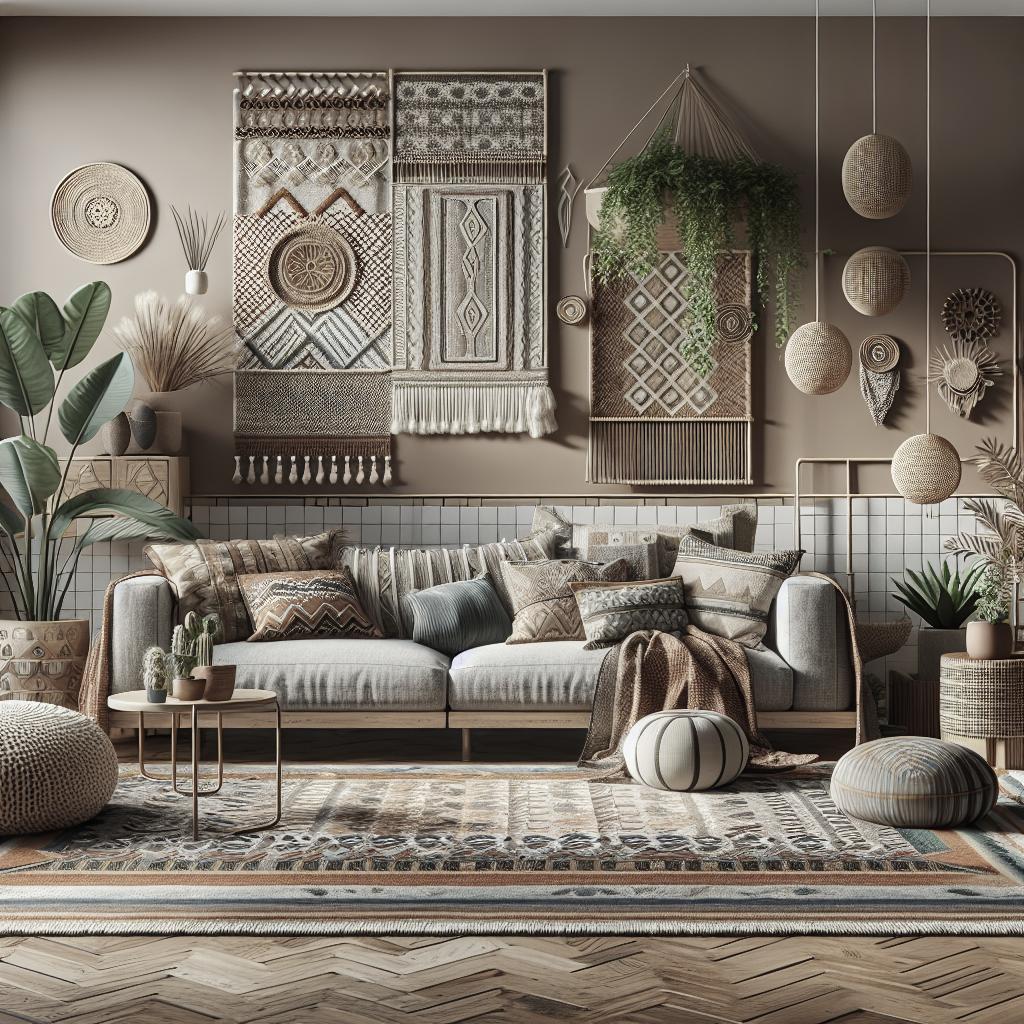
Achieving the Perfect Industrial Look with a Warm Touch Creating an industrial look that exudes warmth can seem challenging, but with the right elements, it becomes a rewarding design endeavor. The industrial aesthetic is characterized by a minimalist approach, practical fixtures, and sturdy metal features, complemented by the embrace of imperfections and vintage inspirations. Yet, to prevent these features from feeling too cold or sterile, there are strategies to introduce warmth through colors, quirky individuality, and natural touches. This blog post explores how to achieve this balanced ambiance, providing insights and tips on each defining element of the industrial design style. From making the best use of minimalism to embracing individuality through lighting, and integrating exposed brickwork with upcycled accessories, this guide will navigate you through the process of transforming any space into a cozy yet undeniably industrial haven. How Can You Get The Industrial Look? Achieving an industrial design with warmth is about balancing raw and refined elements. This style roots itself in the old warehouses and factories of the past, emphasizing functionality and simplicity. Such spaces typically feature open plans, exposed structural elements, and a neutral color palette. However, adding warmth involves more than filling a room with metal and concrete. It requires a thoughtful approach to layering textures, lighting, and accessories. Warmth in an industrial setting can be added through the choice of materials, strategic placement of colors, and inviting textures. The result is a space that feels both modern and comfortable. Let’s explore each design element that comes together to create this style and how warmth can be introduced at every level of the design process. 1. Make the Most of Minimalism Minimalism plays a crucial role in the industrial style, emphasizing clean lines, simple forms, and uncluttered spaces. By focusing on what is essential, you can highlight structural elements like beams and pipes, which add character to your interior. Maintain a neutral color palette as the foundation, using materials like concrete, wood, and metal, which are fundamental to industrial spaces. Adding a Subtle Industrial Touch to Minimalist Spaces To introduce an industrial touch to a minimalist space, consider your choice of furniture and accessories. Use pieces with exposed metal frames and simple, functional design. Chairs with metal legs and plain wooden tops can complement the minimalist aesthetic while reinforcing the industrial theme. Keep decorations minimal, but ensure every piece contributes to the overarching theme of industrial minimalism. 2. Practice Practicality Industrial design celebrates functionality; every element in the space should serve a purpose. This extends to furniture, lighting, and even decor, where practicality takes precedence over ornamentation. Employing elements that are both functional and aesthetically resonant helps build authentic industrial spaces. Practical Industrial Kitchen Lights Lighting particularly plays a significant role in industrial design. In the kitchen, prioritize lighting solutions that emphasize practicality. Pendant lights or track lighting with simple metal shades and adjustable arms offer illuminating versatility and add practical charm. Opt for lighting fixtures that have a utilitarian aesthetic to mirror the industrial roots. 3. Embrace Individuality Creating warmth in an industrial space often comes from expressing individuality. Industrial design should feel curated, not cold, allowing for personal touches that reflect your style while still utilizing industrial elements. Quirky Industrial Lighting One method of adding individuality is through quirky lighting choices. Industrial lights with unique shapes or surprise elements like colored cables can serve as conversation starters. Opt for Edison bulbs, known for their warm glow, and set them in creative fixtures to add character and charisma to your space. 4. Favour Metal Features Metal is synonymous with industrial style, representing the sturdiness and rawness of this aesthetic. Sleek metal surfaces or weathered items enhance authenticity, providing robust points of interest and enhancing the essence of industrial design. Incorporating Metal Stools Metal stools provide an excellent opportunity to incorporate this key material into your design. Whether polished or aged, their robust appearance anchors your space in industrial tradition. Choose a finish that complements your palette—cool metals for a crisp look, or warm, rusted tones for added comfort. 5. Experiment with Colour While industrial designs often rely on neutral tones, introducing color can break up monotony and inject warmth. Consider muted or earth-toned colors that complement the raw elements of industrial design while subtly enlivening the space. Finding the Right Shade for Your Industrial Interior Explore colors like deep greens, burnt oranges, or rich blues, which blend well with industrial grays and browns. Use these shades on feature walls or soft furnishings like cushions and rugs to provide pops of warmth without overwhelming the industrial aesthetic. 6. Look for Vintage Inspiration Industrial design naturally lends itself to vintage inspirations, as it draws on historical elements and styles from the past. Incorporating vintage items can add nostalgia and depth to your space, enhancing its character. Finding the Perfect Vintage Light Integrate vintage lighting to evoke warmth and history. Look for fixtures with patinated metal or art deco influences. Their historical resonance and unique stories contribute layers of intrigue and charm that enrich the overall feeling of the room. 7. Expose Imperfections Embracing imperfections is essential to achieving the industrial look. This involves highlighting architectural features that are usually concealed, such as brickwork or piping, which adds raw beauty to your space. Incorporate Exposed Brickwork Exposed brick walls are a signature element of industrial design. They provide texture, color, and a sense of history. If original bricks aren’t an option, realistic faux brick panels can be an excellent substitute to achieve the same feel. 8. Add Natural Touches Balancing the coldness of industrial elements with natural touches can harmonize and warm up the space. Introducing natural materials softens harsh industrial edges and makes the environment more inviting. Using the Four Elements Bring in wood, plants, water features, or stone to incorporate natural elements. Wooden furniture or flooring provides authenticity, houseplants breathe life into the space, and small indoor water features can enhance tranquility, rounding off the raw industrial design with softness. 9. Upcycle Accessories Sustainability is not just a trend but a necessity. Upcycling old items not only gives them a new lease on life but also embeds a unique story into your space, marrying well with industrial design principles. Industrial Lights for Rustic Spaces Repurpose old factory lights or create DIY fixtures using reclaimed materials for authenticity. Such upcycled lights tell a story, adding to the industrial narrative and providing a rustic, charming warmth to your interiors. Future Prospects Below is a table summarizing the fundamental strategies to achieve an industrial look with warmth. | Element | Strategy | |—————————-|—————————————————————————————–| | Minimalism | Use essential furniture with exposed metal/wood frames. | | Practicality | Opt for functional lighting solutions like pendant or track lights. | | Individuality | Introduce quirky lighting designs featuring Edison bulbs. | | Metal Features | Incorporate stools with metal frames and varied finishes. | | Color Experimentation | Use earth-toned colors like deep greens and burnt oranges for warmth. | | Vintage Inspiration | Employ vintage lights with historical patina or art deco designs. | | Exposing Imperfections | Highlight exposed brickwork to add texture and warmth. | | Natural Touches | Integrate wood, plants, and stones to soften industrial harshness. | | Upcycling | Repurpose old factory items for lighting to introduce rustic charm. | Embracing these principles of industrial design while infusing warmth can result in a space that’s both stylish and inviting. Each element contributes to the character and coziness of your home, ensuring your industrially-themed space doesn’t just look attractive, but feels welcoming too.
Creating Cozy Industrial: Balancing Edgy and Inviting Design Elements
 By
/ August 9, 2025