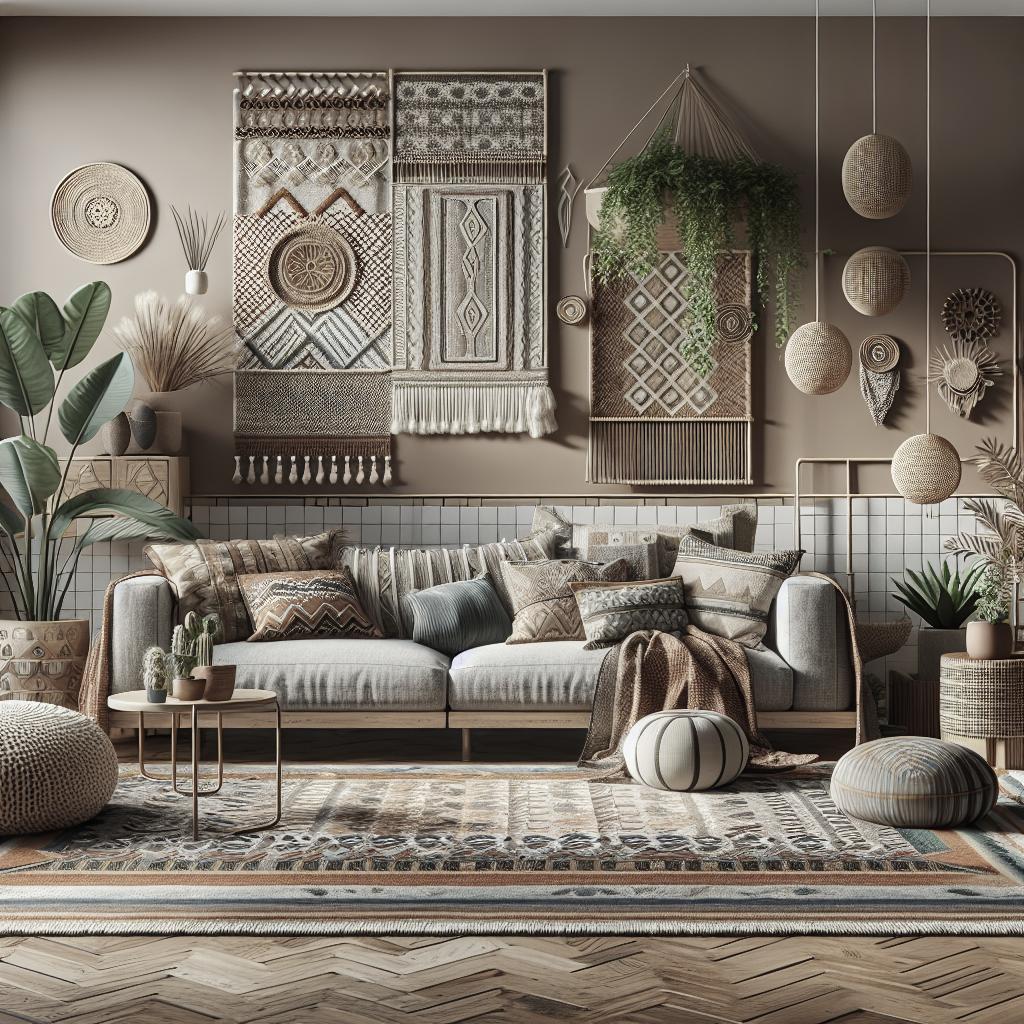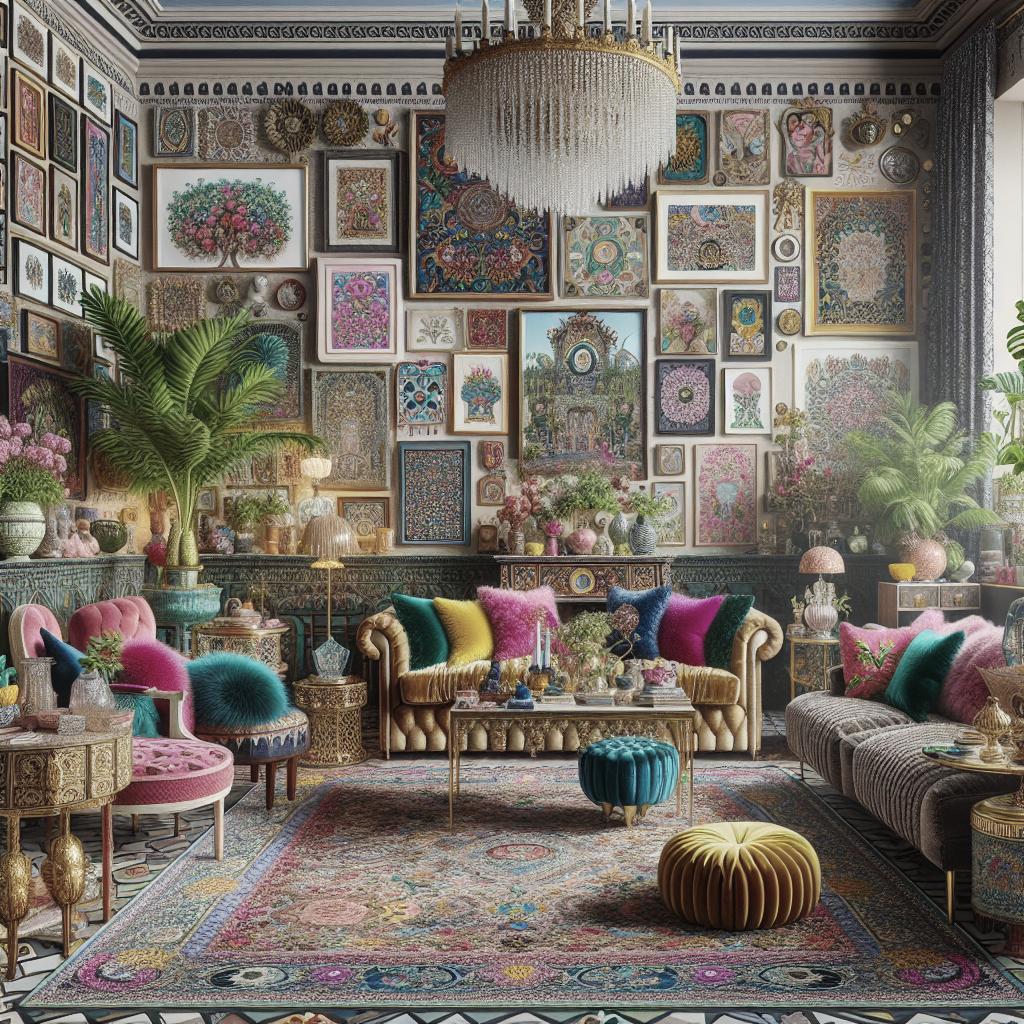
Exploring interior design can lead you to various styles, but none quite as vibrant and personalized as maximalism. This trend defies minimalistic conventions, offering a canvas where bold colors, diverse patterns, and personal artifacts mingle in creative harmony. Maximalism is not about clutter but about meaningful curation, allowing for rich, layered spaces that reflect the personality and tastes of those who inhabit them. In this blog post, we delve into the essence of maximalism, offering strategies to embrace this approach in your home. We’ll discuss the Rule of Four to balance your decor, creating throughlines for cohesive themes, and the benefits of bold color palettes. You’ll learn to layer complementary patterns skillfully, channel your unique personality into your design, and understand the value of building your maximalist haven over time while editing it continually to keep it fresh and intentional. ### Follow the Rule of Four In the realm of maximalism, one might assume there are no rules; however, maintaining a sense of order amid the creativity is crucial. The Rule of Four is a guiding principle to strike that balance. It suggests focusing on four key elements in a room to maintain visual harmony. These elements could range from furniture pieces, art, or significant decor items that are visually impactful. Begin by identifying the focal points in your room. For instance, you might choose a statement chair, an oversized painting, an intricate rug, and a unique lighting fixture. Limiting your focus to four primary elements enables a cohesive feel without overwhelming the space. Each choice should reflect your style, but collectively they should narrate a story of your design vision. Utilizing the Rule of Four ensures that despite the abundance of decor, there’s a rhythm in the chaos, providing a sophisticated backdrop for the more personalized clutter maximalism thrives on. This approach keeps the space engaging yet curated, allowing your personality to shine without causing visual fatigue. ### Create Throughlines While maximalism encourages diversity in aesthetics, establishing throughlines is key to connecting the disparate elements. Throughlines are recurring themes or motifs that provide continuity across different areas of your home. These can be colors, textures, or even specific design elements that appear consistently throughout your space. Consider using a color palette that ties rooms together — even if each room features its own bold, individual colors, having one or two shades that appear across spaces can unify the overall design. Likewise, a recurring texture, like velvet or burlap, can offer tactile consistency while adding depth and warmth. Creating throughlines helps anchor the eclectic mix of your decor, making transitions from room to room more fluid. It transforms the space from a collection of random pieces into a deliberate, interconnected narrative – a hallmark of well-executed maximalist design. ### Embrace Bold Color Color is one of the most striking aspects of maximalist design, offering a powerful tool for self-expression. Bold colors infuse energy and personality into your space, creating dynamic environments that stimulate both the heart and mind. Don’t shy away from vibrant hues; instead, use them to define your rooms and highlight architectural details. Select colors that resonate with your spirit. This could be the deep emerald green of a lush forest, the warm ochre of a golden sunset, or a daring fuchsia that punctuates the space with a burst of energy. Once you define your color palette, consider how these colors interact with your chosen decor elements, using them to accentuate your room’s features. Balance is crucial, so while you embrace bold colors, ensure there are neutrals to ground the palette and let the vibrant tones breathe. Utilizing colors strategically, maximalism invites you to create spaces that are as much about emotion as they are about aesthetics, offering a truly personalized experience. ### Layer Complementary Patterns Patterns play a pivotal role in maximalist interiors, and layering them effectively is an art form in itself. Combining varying scales and styles of patterns adds depth and interest to a space, creating a tapestry of textures and visuals that invite closer inspection. This dynamic play of patterns is quintessential to a maximalist home. Begin with a central piece, such as a large patterned rug or a wallpaper with an intricate design. Build upon this by adding complementary patterns in your furniture or decorative accents like cushions and curtains. The key is to vary the scale — pair a large, bold print with a smaller, more subdued one to prevent overpowering the space. Integrating patterns is about creating dialogue between elements, ensuring they complement rather than clash. By paying attention to color schemes and motif harmony, the patterns in your space will play off each other, enhancing the vibrancy and richness that defines maximalism. ### Channel Your Personality Maximalism thrives on personal expression, allowing your identity to influence your design choices. Every piece of art, every trinket or book placed in the room is an opportunity to showcase your experiences and preferences. Whether it’s art collected from your travels or heirlooms passed down through generations, these elements should reflect who you are. Personal items bring warmth and authenticity, making a space unique and welcoming. As you decorate, consider what each piece means to you and how it contributes to your overall aesthetic vision. Don’t hesitate to mix different periods and styles — it’s these unexpected juxtapositions that define maximalism. Your home should be a space where every corner has a story, where guests can learn about you through visual exploration. By channeling your personality into your decor, you ensure that your maximalist space is not just beautiful but meaningful, providing comfort and inspiration. ### Build Over Time—and Edit as You Go Maximalism is not a sprint but a marathon. Building a maximalist space is a process that evolves over time, allowing for additions and adjustments as your tastes and the available decor change. By taking a gradual approach, you ensure that each piece finds its place, contributing to the overarching narrative of your home. Start with the essentials and slowly layer in new finds, remaining open to rearranging and reimagining spaces as needed. While maximalism embraces abundance, it’s important to continuously edit your space to prevent it from becoming cluttered. Assess each item’s importance and remove pieces that no longer resonate or fit the evolving design. This ongoing process of building and editing allows for a living, breathing environment that reflects your journey. It encourages creativity, keeps the space fresh, and ensures that your maximalist home is always a true reflection of your current life stage and aspirations. ### Next Steps To sum up, embracing maximalism in interior design is about striking a balance between creativity and coherence, ensuring each space is both vibrant and functional. By following the Rule of Four, you can maintain focus and harmony. Create throughlines to connect different spaces, use bold colors to energize your environment, and layer patterns for an intricate display of style. Incorporate personal artifacts that speak to your identity, and remember that designing a maximalist space is an ongoing journey of curation and editing. Here’s a quick summary in table format to guide your maximalist journey:
| Principle | Guidelines |
|---|---|
| Rule of Four | Focus on four key elements to balance and harmonize the space. |
| Create Throughlines | Establish recurring themes or motifs for visual continuity. |
| Embrace Bold Color | Use vibrant hues strategically to define spaces and highlight features. |
| Layer Complementary Patterns | Combine varying scales and styles for a dynamic, textured look. |
| Channel Your Personality | Incorporate personal items that reflect your story and identity. |
| Build Over Time & Edit | Gradually add pieces and continuously refine to prevent clutter. |
As you explore these steps, let your creativity guide you to create a home that is vibrant, personal, and uniquely yours.