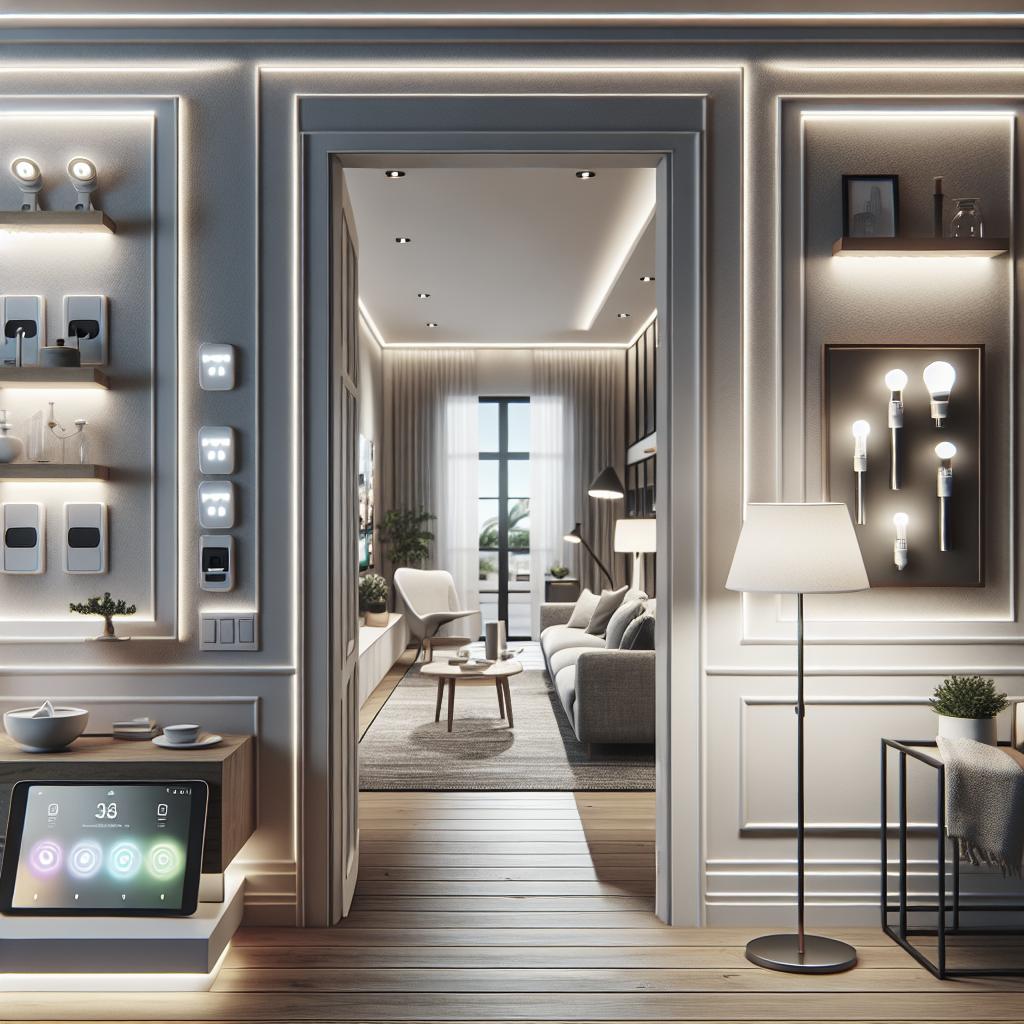
### 150-Word Introduction In today’s rapidly evolving tech landscape, smart lighting has emerged as a transformative option for modern homes, offering more than just innovative illumination. From enhancing ambiance with adjustable brightness to integrating seamlessly with other smart home systems, the benefits of smart lighting are numerous. This blog post explores these advantages, alongside new innovative types of smart lighting solutions like smart bulbs, switches, and fixtures, and how they can elevate lifestyle and comfort in contemporary living spaces. It also provides insights into planning and building your smart lighting system, considering factors like voice assistant compatibility and integration with other devices. Additionally, we delve into creative applications of smart lighting in different home areas and share pro tips from industry specialists. Whether you’re sprucing up your entertainment room or enhancing outdoor lighting, our comprehensive guide assists you in making informed choices. Discover how smart lighting can be an essential part of modern, intelligent living. ## Benefits of Using Smart Lighting Solutions in Your Home Smart lighting solutions have revolutionized the concept of home illumination by providing homeowners with unprecedented control over their lighting environment. With the ability to adjust lighting remotely, homeowners can enhance their home’s security and energy efficiency. By scheduling lighting patterns, it is possible to deter intruders while optimizing energy usage based on occupancy. Moreover, smart lighting significantly improves convenience and quality of life. Imagine waking up or winding down with lighting that naturally mimics the sunrise or sunset, facilitating a more seamless alignment with your natural circadian rhythm. In addition, smart lighting offers customization and automation, providing the opportunity to create the perfect atmosphere for any occasion with just a few taps on your smartphone or via voice commands. ### Cons for Smart Lighting Despite its numerous advantages, smart lighting does come with certain downsides. Initially, the cost of installation can be higher compared to traditional lighting solutions, primarily due to the need for extra hardware and compatible infrastructures, such as smart hubs or upgraded home Wi-Fi. Another consideration is the complexity of initial setup and maintenance. For the less tech-savvy, integrating smart systems can be challenging, and any disruptions in internet service can undermine the system’s reliability. In addition, privacy concerns arise, as smart lighting devices collect and analyze data, necessitating robust cyber security measures. ## Different Types Of Smart Lighting Solutions (Bulbs, Switches, Fixtures) ### Smart Bulbs: Smart bulbs are the cornerstone of smart lighting solutions. They allow users to control the brightness, color, and schedule of lighting through a mobile app or via voice commands. Easily integrated into existing lamps and fixtures, smart bulbs can be an excellent starting point for transitioning to a smart home ecosystem. Their flexibility is incredibly advantageous, as one can easily group them into different rooms or zones to create personalized lighting experiences. Over time, smart bulbs can contribute to energy savings by allowing users to turn off lights remotely or automate lighting to be active only when needed. ### Philips Hue Smart Bulb Starter Kit The Philips Hue Smart Bulb Starter Kit is a standout product in the affluent market of smart lighting due to its ease of use and extensive functionality. This kit typically includes several smart bulbs and a hub that allows for synchronization across multiple devices. The Hue app provides an intuitive interface for configuring settings, color preferences, and routines. With integration capabilities for major platforms such as Google Assistant, Amazon Alexa, and Apple HomeKit, the Philips Hue system is incredibly versatile. Users can enjoy experimenting with millions of colors and various effects, while ensuring compatibility with existing smart home setups. ### Smart Strip Lighting Smart strip lighting offers unique opportunities for accent lighting and bringing creative illumination to spaces that are usually neglected. Perfect for under-cabinet lighting, behind televisions, or along hallways, strip lighting provides a soft and customizable glow that enhances ambience. These strips typically come with adhesive backing, making installation a breeze. They offer the flexibility to modify the colors and intensity of the lighting, which can be synced with open platforms. This versatility opens up a world of lighting creativity in numerous settings. ### Smart Switches Smart switches offer the convenience of controlling traditional lighting fixtures without replacing existing bulbs or lamps. By replacing standard wall switches with smart versions, homeowners can control lighting through apps and voice commands, maintaining the functionality of manual wall switches when necessary. They are particularly useful in homes with multiple lighting fixtures on a single switch, allowing for individualized control without the need to invest in a significant amount of smart bulbs. Integration with smart home devices enables complex automation like dimming or activation based on time of day or occupancy. ### Smart Fixtures With smart fixtures, innovation reaches the core of home illumination systems. These pre-fitted LED fixtures can come in various shapes and designs, offering sophisticated aesthetics alongside advanced lighting control features. Smart fixtures can offer not just the typical dimming and color-changing abilities, but they also boast energy efficiency. Equipped with motion detectors and sunlight sensors, they provide automated adjustments that contribute both to home convenience and energy savings. ### Smart Light Plugs For those looking to dip their toes into smart lighting, smart plugs offer an affordable entry point. These plugs allow users to turn any standard lamp into a smart lamp by controlling its power supply through a dedicated app. The major advantage of smart plugs is their portability; they can easily relocate them to different rooms while maintaining lighting controls for previously less accessible lamps. Despite being the simplest smart lighting solution, they still afford control over energy consumption through automation and remote access. ## DID YOU KNOW? Did you know that smart lighting systems can reduce your electricity consumption substantially? By ensuring lights are only on when needed and automatically adjusting to optimal levels of illumination, households can significantly cut energy costs. Some smart systems also integrate with solar panels, optimizing the use of renewable energy, lowering bills and carbon footprints. ## How To Plan Your Smart Lighting ### Determining the purpose and goals of your smart lighting system When considering implementing smart lighting, defining the purpose and goals of the system is crucial. Ask yourself whether the priority is energy savings, enhancing mood, or improving security. Clear objectives will guide you in selecting the right products and system configurations. ### Identifying the areas in your home where you want to install smart lighting Assess which areas of your home will benefit the most from smart lighting. For example, target high energy-use areas such as living rooms and kitchens, or consider enhancing the functionality and atmosphere of bedrooms and outdoor spaces. ### Mapping out lighting zones and areas Organize your smart lighting setup into zones, allowing you to control multiple fixtures and lights as cohesive units. Consider how people move through spaces to optimize this arrangement, striving for balance between functionality and aesthetic desire. ### Considering color temperature and brightness requirements Understandings about temperature and brightness are crucial in setting the mood of your home. Cool light is typically better for workspaces, while warm light is more relaxing and suitable for lounging areas. Additionally, ensure the smart system includes options for dimming and changing color temperature. ### Here is an example of how smart lighting can work in your home. Imagine waking up to a soft, gradual increase in light that simulates natural dawn, creating a peaceful waking environment. During the day, functional workspaces remain brightly illuminated with cool light, while communal areas adaptively change to warmer tones as sunset approaches. Night lights could be activated by motion sensors, providing safety and convenience. ## Key Factors to Consider When Building A Smart Lighting System ### Compatibility with voice assistants (Google Assistant, Alexa, Siri) Voice assistant compatibility is integral for a seamless smart lighting experience. Ensure your chosen system integrates with popular voice assistants like Google Assistant, Alexa, or Siri, providing convenience and flexibility through vocal commands for hands-free control. ### Dimming capabilities and color temperature control Look for systems with versatile dimming capabilities and color temperature controls, as these features significantly influence home ambiance. The ability to modify lighting intensity and hue ensures that smart lighting meets varying needs and preferences throughout the day. ### Integration with other smart home devices Smart lighting technologies do not operate in isolation. For a cohesive and efficient smart home experience, study the devices’ ability to integrate with other smart home frameworks and systems, enhancing interoperability and operational efficiency. ## Pro Tip: If you’re unsure where to start with smart lighting, begin with a single room or area. Experiment with smart bulbs or strips and gauge their impact before committing to a broader installation. This approach will minimize risk and help you understand the system’s capabilities better. ## Philips Smart Lighting Philips continues to distinguish itself with its range of smart lighting solutions, most notably the Hue series. This system emphasizes user-friendliness, allowing seamless integration with a rich ecosystem of devices and platforms—perfect for both beginners and advanced users seeking comprehensive control. ## Different Ideas For Using Smart Lighting In Your Home ### Entertainment Light Achieve a fully immersive viewing experience by synchronizing smart lighting with your television or audio system. Dynamic lighting can respond in real time to what’s happening on screen or match a music track’s tempo, bringing movies and music to life. ### Kids Room or Playspace In children’s rooms, smart lighting can create innovative, interactive environments that are both fun and functional. For bedtime, gentle dimmed lighting promotes sleep, while vibrant colors can energize playtime or study sessions. ### Outdoor Lighting Enhancing your outdoor experiences with smart lighting can transform gardens, patios, and walkways, ensuring both security and ambiance for evening gatherings. Motion-activated lights can enhance path visibility, while customizable lighting schemes can highlight landscape features. ## Mike’s Advice / Buying & Selling Your Home Considering an upgrade to smart lighting can add value to your home. When selling, a fully equipped smart lighting system acts as a selling point that differentiates your property in a competitive market. Conversely, when buying, assess the smart lighting systems in place to understand additional investments required for customization. ## RELATED: – Explore a guide to the benefits of integrating smart lighting with home security systems. – How smart home lighting can contribute to energy-saving efforts worldwide. – Understanding the impact of IoT on contemporary lighting solutions. – Discover innovative trends in smart home connectivity and automation. – Tips for transitioning to energy-smart homes without heavy investments. ## DID YOU KNOW? Approximately 80% of homeowners who installed smart lighting systems reported enhanced home security. With integration features like motion sensors and remote monitoring, these systems significantly deter potential break-ins. ## DID YOU KNOW? Smart lighting opens avenues for automation that go beyond just your home. Businesses leverage these technologies to reduce operational costs and enhance customer experiences through tailored lighting solutions. ## Did You Know? Research suggests modern smart lighting has potential health benefits. By regulating exposure to different types of light throughout the day, it can help maintain optimal levels of melatonin, improving sleep quality and overall wellbeing. ## What Is The Average Cost Of Smart Lighting The price of smart lighting systems varies widely based on complexity and coverage. Basic setups with a single bulb might start around $20, while extensive installations across large homes with multiple smart fixtures can cost several hundred to thousands of dollars. It is essential to balance cost with system features and compatibility.
| Aspect | Details |
|---|---|
| Types of Smart Lighting | Smart Bulbs, Switches, Fixtures, Strip Lighting, Light Plugs |
| Planning Your System | Define goals, identify zones, and set preferences for temperature and brightness |
| Key Factors | Voice assistant compatibility, dimming capabilities, system integration |
| Smart Lighting Ideas | Entertainment, Kids Rooms, Outdoor |
| Pros and Cons | Convenience and energy savings vs. initial costs and privacy |