Decluttering your home is a transformative process that can bring numerous benefits, from enhancing your living environment to improving your mental well-being. In this blog post, we will explore strategies for decluttering your space efficiently and effectively. We’ll delve into the myriad benefits of having a clutter-free home and provide practical tips for tackling the clutter in your space. We’ll discuss the importance of organizing with containers, keeping essential decluttering rules in mind, and creating a realistic timeline to ensure a consistent and sustainable approach. Room-by-room guides will offer specific advice for decluttering the bathroom, bedroom, closet, entryway, kitchen, and living room. Finally, we will cover responsible ways to dispose of items you no longer need, ensuring that your efforts leave a positive impact.
Benefits of Decluttering Your Space
Decluttering your home goes beyond just making room physically; it creates mental space as well. A clutter-free environment can significantly reduce stress levels, providing a serene and inviting atmosphere that can improve your overall well-being. By eliminating unnecessary items, you create an organized living space that allows for better focus and productivity, which is especially beneficial if you work from home or have other home-based responsibilities. Moreover, decluttering can enhance the aesthetic appeal of your home, making it a more welcoming and beautiful place for yourself and guests. Clutter can detract from the design elements of your space, whereas a minimalist approach allows for the decor and architecture to shine. Additionally, maintaining a tidy home minimizes cleaning time, as less clutter leads to easier and quicker cleaning sessions. Finally, decluttering helps foster a sense of accomplishment and empowerment. As you clear away the excess, you gain more control over your living environment and your life. This process can also help you identify what’s truly important to you and can foster gratitude for the things you choose to keep and cherish.
Tips for Decluttering Your Home
One effective tip for decluttering is to start small and gradually work your way up. Tackling a single drawer or a small surface like a coffee table is less overwhelming than trying to clear an entire room, and seeing visible results can motivate you to continue. Dedicate specific times for decluttering, perhaps by setting a timer for short intervals, to maintain your focus and energy. Next, commit to regular decluttering sessions. Instead of letting clutter accumulate over time and feeling overwhelmed, set aside regular intervals, such as a few minutes each day or a couple of hours every weekend, to address specific areas. Consistency is key to preventing clutter from reestablishing its presence in your home. Finally, involve family members or roommates in the decluttering process. This not only lightens the load but also fosters a collective responsibility for maintaining a clutter-free home. Encouraging collaborative efforts can lead to shared respect for communal spaces and an understanding of each person’s attachment to various items.
Use Containers to Sort Items
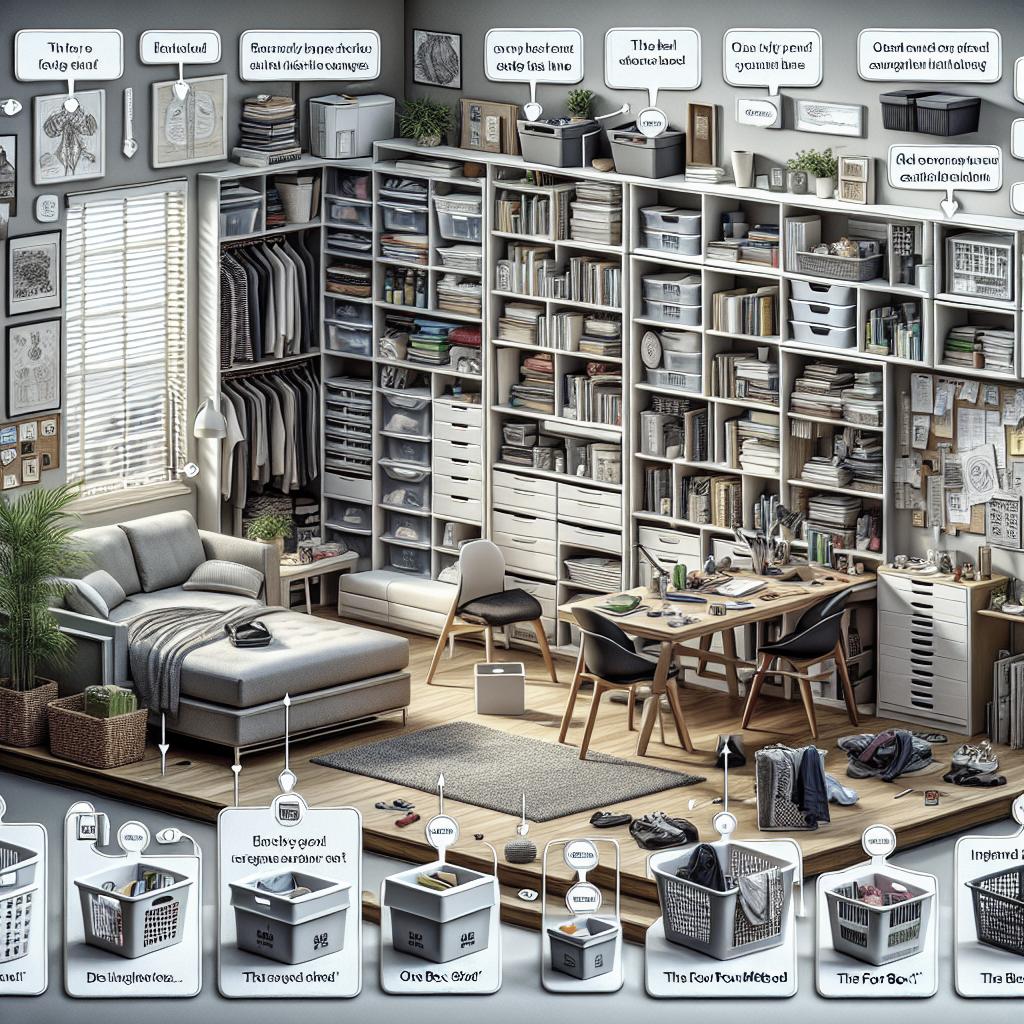
Containers can be invaluable tools in the decluttering process, helping to categorize and store items neatly. Start by labeling each container with specific categories, such as “toys,” “office supplies,” or “seasonal clothing,” which will make finding and returning items easier, thereby reducing future clutter. Invest in a variety of container types suitable for different spaces and storage needs. Clear containers are particularly effective as they allow you to quickly see the contents inside, ensuring quick access and visibility. For a more aesthetically pleasing setup, choose baskets or boxes that complement your home decor, ensuring that your storage solutions enhance, rather than detract from, your space’s style. Additionally, use containers to develop a “one in, one out” policy. For every new item that enters the home, especially within specific container categories, an existing item should be removed. This practice not only manages clutter but also encourages mindful consumption and organization habits.
Keep These Decluttering Rules in Mind
As you embark on your decluttering journey, there are several fundamental rules to keep in mind. First, the famous “touch it once” rule can be highly efficient; this means when you pick up an item, immediately decide whether to keep, donate, or discard it, rather than putting it down and handling it multiple times without resolution. Second, stick to the principle of only keeping items that are useful or bring you joy, often popularized as the Marie Kondo method. By surrounding yourself with genuinely meaningful objects, you create a home environment that reflects your personal values and tastes. Lastly, practice letting go of guilt associated with unwanted gifts or once-expensive purchases. Understand that holding onto items out of guilt doesn’t serve you or contribute positively to your living space. Acknowledge the sentiment associated with these objects and then allow yourself to let go, gaining peace and space in return.
Creating a Decluttering Timeline
Creating a decluttering timeline involves setting realistic and attainable goals that guide you through the process to prevent feeling overwhelmed. Break down the entire task by identifying specific areas or rooms you want to tackle, assigning each a scheduled date or timeframe. Establish deadlines that are manageable within your lifestyle. For instance, dedicate a weekend to a particular room or block off an hour each weeknight for smaller organizational tasks. Having scheduled sessions ensures that you progress without procrastination or burnout. Tailor the timeline according to your personal pace and available time. Allow for flexibility to accommodate unexpected interruptions or shifts in priorities. The ultimate goal is to develop a systematic approach that leads to successful decluttering without causing additional stress or pressure.
How to Declutter Your Space, Room by Room
Decluttering room-by-room allows you to focus your efforts, making significant strides in specific areas instead of sporadically throughout the house. Strategize by starting with high-traffic or most-cluttered rooms, which will provide the biggest relief and motivate you for subsequent spaces. Assess each room critically to identify sources of clutter, areas of inefficiency, or neglected spots. From there, implement targeted measures to reorganize. Utilize storage solutions and creative arrangement techniques to achieve functional and aesthetic harmony. Engage in a thoughtful evaluation of each room’s purpose and ensure that all items within it align with that purpose. This will help maintain order and prevent the re-accumulation of unnecessary clutter, leaving you with a refreshed and optimized home environment.
The Bathroom
Begin decluttering the bathroom by eliminating expired or unused products. Toiletries, cosmetics, and medications often pile up over time, creating unnecessary clutter. Check expiration dates and dispose of expired items responsibly, making room for the possessions you actively use. Introduce organizers like drawer dividers or shelf caddies to maximize space in cabinets and on countertops. Group similar items together, which means all skincare products in one place, hair tools in another, etc. This organization tactic ensures easy access and maintains a neat environment. Optimize storage further with creative solutions such as over-the-door hooks or wall-mounted racks for towels, ensuring these essentials remain orderly and accessible. By minimizing surplus and implementing functional storage, you create a calming, spa-like atmosphere that enhances the bathroom experience.
The Bedroom
The bedroom should serve as a personal retreat, which means addressing clutter that disrupts peace and relaxation. Start with visible surfaces like nightstands and dressers, removing unnecessary decorative items or knick-knacks that contribute to visual clutter. Reorganize your bedside essentials to ensure only necessary and cherished items stay—this might include a lamp, a book, and an alarm clock. For the dresser, focus on decluttering clothes, accessories, or keepsakes, limiting items to a curated display rather than a haphazard collection. Incorporate storage solutions like under-bed compartments or multi-function furniture to keep the bedroom looking and feeling cohesive. Implementing these strategies will help convert your bedroom into a welcoming sanctuary free from unwelcome chaos.
Closet and Clothing
Closet decluttering often requires honest self-reflection regarding personal style and lifestyle needs. Begin by sorting clothing into categories—keep, donate, sell, or discard—and process each item regularly to keep your wardrobe in line with your evolving needs and preferences. Implement the “hanger trick” by reversing hangers at the start of a season; once an item is worn, return it with the hanger facing the opposite direction. After a set period, evaluate which items haven’t been used, making it easier to determine pieces you can let go of. Install efficient organizational tools like shelving, hanging organizers, or shoe racks to optimize closet space. Arrange items by category or color to simplify selection and foster an orderly environment each time you access your wardrobe.
The Entryway, Mudroom, and Foyer
These spaces function as the initial welcome into your home, setting the tone for both residents and visitors. Focus on managing shoe clutter by using racks or baskets to confine footwear, allowing for quick organization and retrieval. Install hooks, shelves, or other storage options to accommodate coats, bags, and keys. Designate specific areas for essential items to ensure they don’t get misplaced, reducing the risk of a chaotic departure or arrival. Create a welcoming entryway aesthetic with minimalistic decor or tasteful design elements, ensuring that your home’s first impression is organized and clutter-free, reflecting the rest of your thoughtfully maintained space.
The Kitchen
Kitchens are notorious for accumulating clutter due to their multipurpose function. Start by clearing out outdated pantry items, pots and pans you rarely use, and small appliances that have seen better days. This initial purge can create substantial space and accessibility improvements in the kitchen. Incorporate smart storage solutions like drawer dividers, spice racks, or lazy Susans to maximize every inch of available space. Group similar items together for easy access, ensuring your cooking essentials are always within reach. Optimize countertops by leaving only daily-use items visible—such as a coffee maker or toaster—and store away others to maintain a clean, sleek look. By maintaining order and accessibility, you foster an appealing and efficient cooking and dining environment.
Tip
Dedicate a weekly session to maintain kitchen order, such as reallocating misplaced utensils or reorganizing pantry goods. Regular attention prevents the gradual encroachment of clutter, ensuring the kitchen remains functional and inspiring.
The Living Room
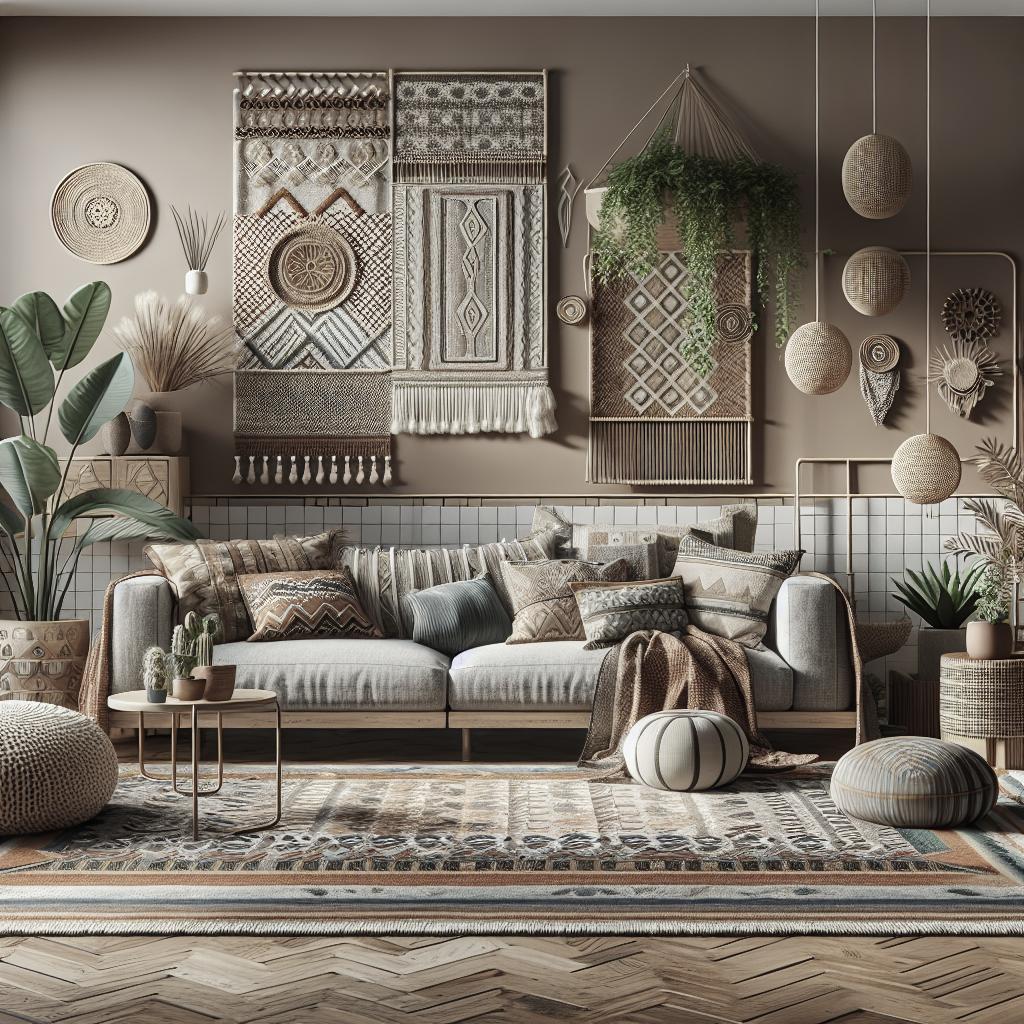
The living room often serves as a communal space for relaxation and entertainment, making it prone to clutter. Tackle the room by addressing visible surfaces like coffee tables and media centers. Remove excess decorative items, magazines, and outdated electronics to create a streamlined look. Incorporate stylish storage solutions such as baskets or bins for organizing books, remotes, or throws. Consider multipurpose furniture like ottomans with hidden storage or sleek entertainment stands with shelving to keep clutter concealed and the aesthetics polished. Ensure your living room retains its welcoming and relaxing feel by arranging furniture to create open spaces and encouraging conversation, setting the scene for enjoying tranquil moments or lively gatherings without the distraction of unwanted clutter.
Where to Dispose of Clutter
Once you’ve identified items to purge, consider donating them to local charities or shelters, offering them a new home with individuals who can use them. Many organizations accept gently used clothing, furniture, and household items, benefiting communities in need. For items that can’t be donated, seek out recycling centers to responsibly dispose of materials such as electronics, paper, and plastics. Avoid sending excess waste to landfills whenever possible, which aligns with eco-friendly practices and community sustainability. Lastly, consider holding a garage sale or using online marketplace platforms to sell items that still hold value, recouping some of your investment and giving these items a chance to be appreciated by someone new. This approach also reinforces a sense of consciousness and care in managing post-decluttering excess.
| Section | Content Summary |
|---|---|
| Introduction | An overview of the importance of decluttering and the comprehensive strategies to achieve it. |
| Benefits of Decluttering Your Space | Discusses mental and physical benefits, enhanced aesthetics, minimized cleaning, and empowerment. |
| Tips for Decluttering Your Home | Offers practical tips like starting small, regular decluttering, and engaging household members. |
| Use Containers to Sort Items | Explores the use of labeled containers for organization and the “one in, one out” policy. |
| Keep These Decluttering Rules in Mind | Highlights rules like “touch it once” and only keeping items that provide value or joy. |
| Creating a Decluttering Timeline | Emphasizes setting realistic goals and deadlines to guide the decluttering process effectively. |
| How to Declutter Your Space, Room by Room | Strategizes on addressing clutter systematically, providing a clear focus and motivation per room. |
| The Bathroom | Focuses on eliminating expired items, using organizers, and optimizing storage solutions. |
| The Bedroom | Encourages tidying surfaces and utilizing storage to maintain a peaceful, organized retreat. |
| Closet and Clothing | Offers decluttering advice for wardrobes using honest assessment and efficient organization tools. |
| The Entryway, Mudroom, and Foyer | Addresses shoe and coat clutter, ensuring the space is welcoming and organized. |
| The Kitchen | Discusses strategies for clearing out unnecessary items and introducing smart storage solutions. |
| The Living Room | Emphasizes clean surfaces, incorporating storage, and maintaining a welcoming feel. |
| Where to Dispose of Clutter | Covers responsible donation, recycling, and resale options for unwanted items. |