Selecting wall art is an essential aspect of interior design that can transform a space, adding personality, color, and depth. Whether you’re looking to create a tranquil retreat or a vibrant social setting, wall art plays a crucial role in setting the tone of a room and reflecting your unique taste. In this blog post, we will explore best practices for selecting wall art with attention to how it influences a room’s atmosphere. We will touch upon considerations for a room’s color palette and the importance of scale and positioning to ensure harmony within the space. Additionally, we will discuss how to approach your selection process with budget considerations in mind and offer advice on the importance of hanging your art promptly for an immediate impact. Utilizing expert insights, this guide will equip you with the necessary tools to make informed decisions in curating wall art that enriches your living spaces.
1. Think About How You Want a Room to Feel
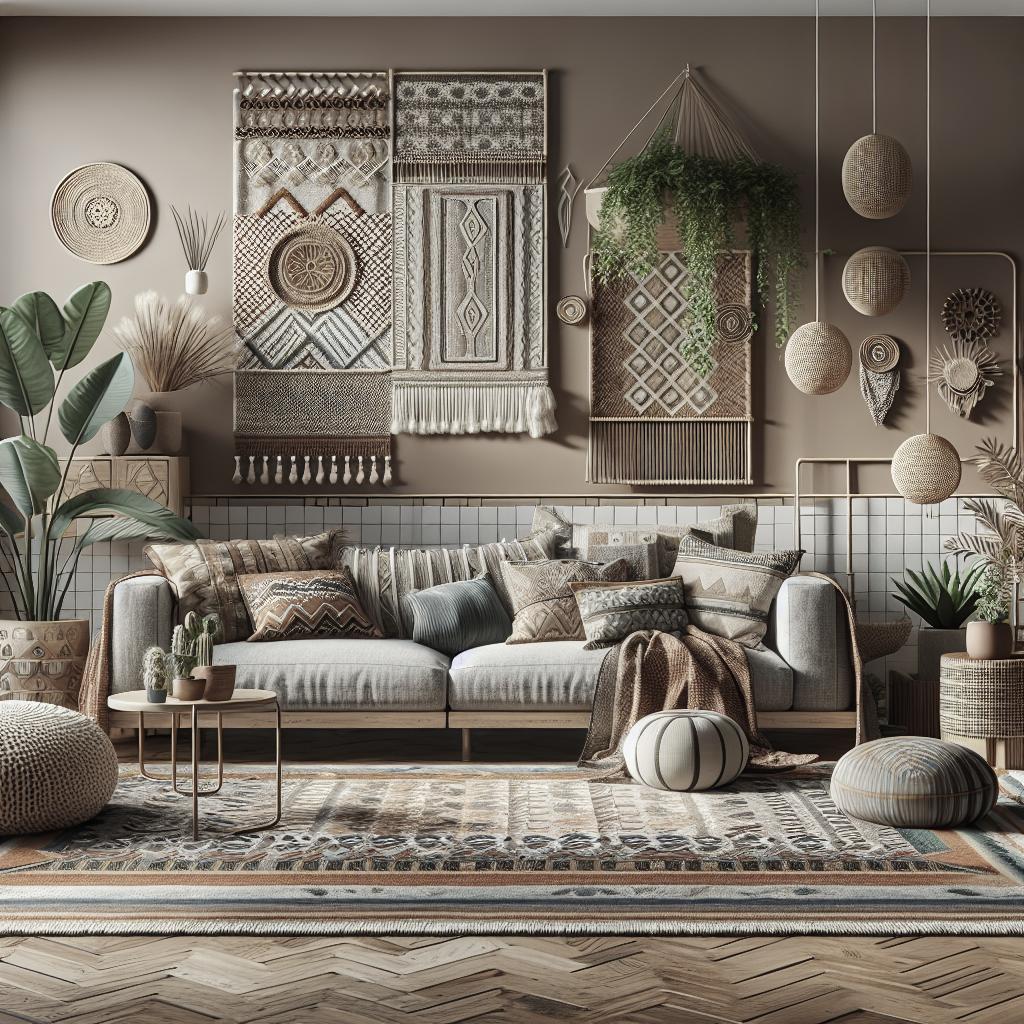
When selecting wall art, it’s essential to consider the mood or ambiance you want to create in a room. Art can evoke a wide range of emotions and set the desired tone. For a living room, you might choose pieces that inspire comfort and sociability, such as warm, inviting landscapes or lively abstract art. On the other hand, a bedroom might benefit from tranquil and calming pieces that promote relaxation, such as serene seascapes or soft, monochromatic prints. Beyond evoking emotions, art can also reflect your personal journey and experiences. Displaying art you’ve collected on travels or pieces that resonate personally can infuse a space with a sense of identity and story. By putting thought into the feelings you want to evoke, you can create spaces that are not just visually appealing but also emotionally fulfilling. Another aspect to consider is the overall theme or style of your home. The wall art should ideally complement this style, whether it be minimalist, boho, industrial, or classic. Aligning your art selection with your interior style will create a cohesive look that enhances both the art and the space itself, making the room feel complete and intentional.
2. Consider a Room’s Color Palette
The color palette of a room serves as a guide when selecting wall art, as harmonious hues can create a seamless and aesthetically pleasing look. Observe the dominant colors in the room, which may be found in the furniture, walls, textiles, or other accessories. Choose art that incorporates similar tones to unify the space. Alternatively, look for art pieces with complementary colors that can introduce a vibrant contrast and inject energy and interest into the room. While it’s important to match the color palette, it’s also crucial not to shy away from bold choices that might add contrast or a focal point. A bright and bold painting can serve as a stunning centerpiece in a neutral space, drawing attention and creating an exciting visual dynamic. However, balanced use of colors will ensure that the art doesn’t overpower the room. Consider also the room’s lighting, as it can affect how colors are perceived. Natural lighting can enhance certain tones, while artificial lighting might cast shadows or alter hues. When selecting art, envision how it will look at different times of the day in the natural and artificial light available in the room. This foresight will ensure your selected art remains vibrant and true to its intended impact.
3. Pay Attention to Scale and Positioning
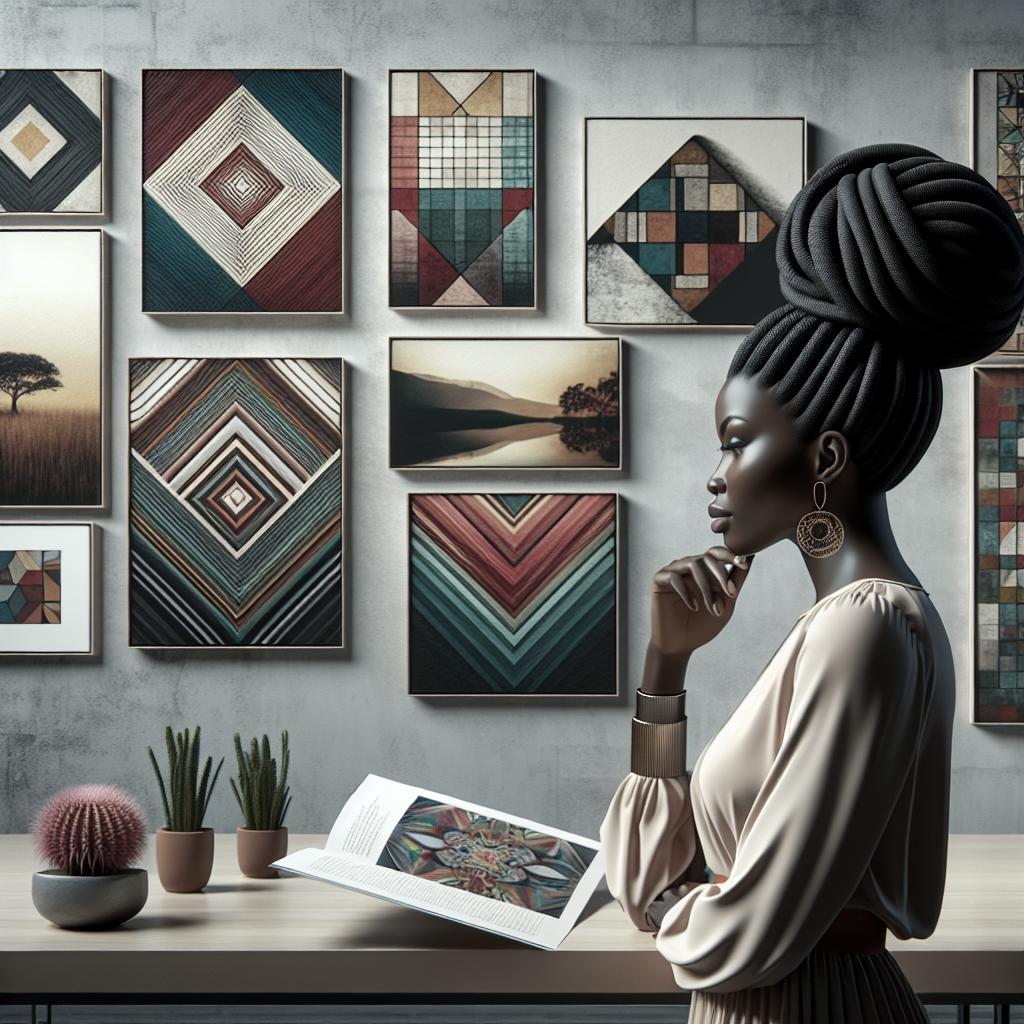
Scale and positioning are vital components when selecting and displaying wall art. A common mistake is choosing art that is either too small or too large for the intended wall space. Art that is too small can look lost and insignificant, while oversized pieces might overwhelm a room. A good rule of thumb is to measure the wall and aim for art that occupies about two-thirds to three-quarters of the wall space. Consideration of positioning is equally important. Art should be hung at eye level, which is typically around 57 to 60 inches from the floor for the center of the artwork. This standard height creates a natural viewing experience, allowing art to be appreciated without straining. In spaces where people are often seated, like dining rooms or offices, consider hanging art slightly lower. Additionally, how art is positioned in relation to other elements, such as furniture and architectural features, affects how it is perceived. Groupings or gallery-style arrangements allow multiple pieces to be displayed cohesively, offering flexibility and allowing you to play with different layouts and compositions. Pay attention to the lines and flow within the space to ensure the art complements rather than competes with its surroundings.
4. Consider Your Budget
Budgeting is another critical factor in the selection of wall art. Investing in art can range from affordable prints to high-priced original pieces. It is important to set a realistic budget that aligns with your personal financial situation and the value you place on art. Remember, beautiful art does not necessarily mean expensive art; many artists offer limited edition prints or work by emerging artists can be highly affordable and attractive. Exploring alternative sources such as local art fairs, online marketplaces, or even DIY projects can provide cost-effective options. Supporting local artists not only helps the creative community but also provides unique pieces that are not mass-produced. Being open to less traditional sources for art can lead to finding hidden gems that speak to you. Ultimately, whether you choose to invest in high-value pieces or affordable finds, ensure that the art you select resonates personally. Prioritize selecting art you love and that fits well within your space. Art should bring joy and inspiration, and with a thoughtful approach that respects your budget, it can be a rewarding experience.
5. Be Prepared to Hang Your Art Right Away
Once you’ve selected your wall art, one of the best practices is to hang it promptly. This immediate action not only brings instant life to the space but also reduces the risk of damage or procrastination. Having the right tools and understanding the process of hanging art effectively can make a significant difference. Before hanging, gather the necessary tools such as a tape measure, level, hanging hardware, and possibly a hammer or drill, depending on wall types. Taking the time to carefully measure and position the art according to the scale and positioning principles greatly enhances the overall effect and prevents misalignment. If you’re uncertain, templates or using painter’s tape to visualize positioning can serve as helpful guides. Don’t hesitate to seek professional help for particularly large, heavy, or valuable pieces that require special handling. Professionals ensure correct installation and that art is secure. Proactive measures in the initial steps of hanging art ensure safety and longevity, allowing you to enjoy your selected pieces fully and for longer.
Meet the Expert
Our expert insights are provided by Alice Thompson, a curator and professional art consultant with over 15 years of experience in the interior design and art industries. Alice has worked with both private collectors and corporate clients to curate personalized art collections that transform spaces. Her philosophy centers around creating environments that reflect individual personalities and stories while maintaining harmony and aesthetic appeal. Alice emphasizes the importance of connecting personally with art and viewing it as more than just decoration. She encourages clients to take their time in the selection process, ensuring that every piece contributes meaningfully to their space. Her expert advice lifts the often daunting task of selecting and integrating art, ensuring it is a fulfilling and rewarding endeavor. Drawing from her extensive knowledge and eye for the unique, Alice’s tips and practices are grounded in practicality and creativity, allowing anyone from novice decorators to seasoned collectors to curate spaces with confidence and style. —
| Aspect | Summary |
|---|---|
| Mood and Ambiance | Consider the emotions you want to evoke and align art selection with your space’s theme or style. |
| Color Palette | Match or complement the room’s colors with art, considering lighting and potential contrasts for vibrancy. |
| Scale and Positioning | Select appropriately-sized pieces, hang at eye level, and consider positioning relative to furniture and room features. |
| Budget | Set a realistic budget, explore alternative sources, and prioritize art that resonates personally and financially. |
| Hanging Art | Be prepared to hang art promptly with the right tools, ensuring correct installation for safety and longevity. |