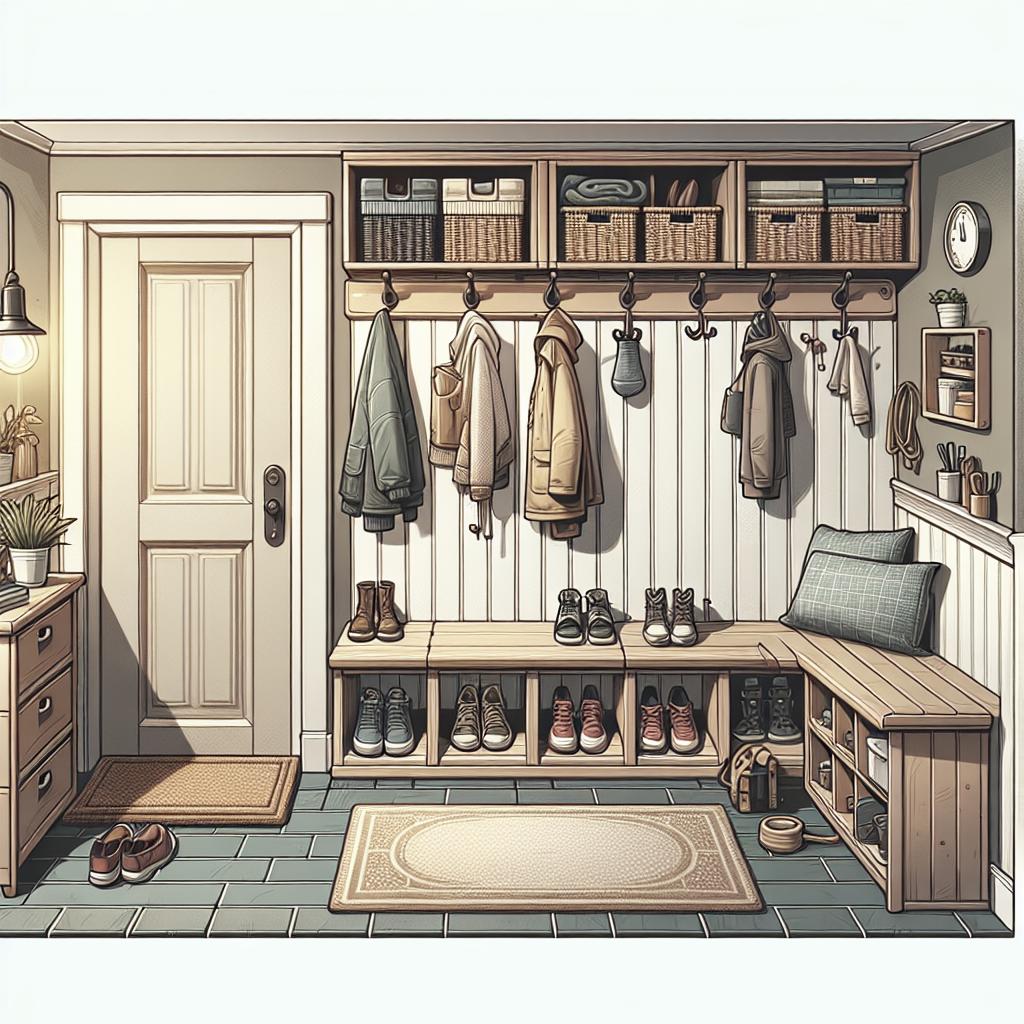
Designing a functional mudroom is an integral part of home planning that can significantly enhance your living space’s organization and neatness. A well-designed mudroom is more than just a transitional space between the outdoors and indoors; it is a vital area that organizes daily essentials and manages chaos. Whether you’re dealing with muddy boots or a collection of coats and bags, creating an efficient mudroom involves careful consideration and thoughtful design. This blog post diving into best practices for designing a mudroom, we’ll explore key aspects such as proximity to essential spaces, seating, coat hooks, and storage solutions. Additionally, we’ll discuss the importance of incorporating a family notice board and personal storage for each member of the family. For those interested in designing their mudroom, we will also introduce a resourceful SketchUp online course. These insights aim to assist you in creating a space that serves as a practical and stylish entryway to your home. ## 1. Keep it close to the laundry and ideally a bathroom, if possible The location of your mudroom is pivotal to its functionality. Placing the mudroom near the laundry room can streamline the process of managing dirty clothes and shoes, making it convenient to immediately address any soiling before it gets further into the house. This proximity allows for quick laundering of muddy sports uniforms or outdoor gear that shouldn’t travel farther into your living space. Moreover, positioning a mudroom near a bathroom is advantageous because it provides easy access to wash up after gardening, playing sports, or coming in from a rainy day. This setup becomes especially practical for families with active children who frequently switch between indoor and outdoor play. Additionally, having a bathroom nearby can accommodate unexpected guests who need to freshen up upon arrival. The ideal placement of a mudroom close to these facilities not only enhances convenience but also supports a cleaner and more organized home environment. This strategic positioning reduces clutter and ensures that outdoor debris is contained before it traverses through the house. ## 2. Include somewhere to sit and put on shoes A mudroom should offer comfort and functionality, and integrating a seating area is a simple way to achieve this. A designated seat such as a built-in bench or a standalone chair provides a convenient spot to put on or take off shoes. This element is particularly important for families with children or elderly members who may need assistance or balance while handling footwear. Incorporating a bench that opens to reveal storage space underneath is a wise use of space, giving you more room to store infrequently worn or seasonal items. This dual-purpose furniture can contribute to the overall organization and cleanliness of the mudroom. Consider adding some cushions or a padded seat for extra comfort and style, which can make the mudroom inviting and versatile enough to serve as a small waiting area when needed. Including a seating area exemplifies thoughtful design by balancing practicality with comfort, ensuring that your mudroom is not just a utilitarian space but also a welcoming entryway. ## 3. Have some hooks for hanging up coats and hats An essential feature of a functional mudroom is having ample hooks available for hanging coats, hats, and other outerwear. Wall-mounted hooks are a space-saving alternative to bulky coat racks, making them ideal for keeping your mudroom tidy and efficient. When installing hooks, consider the height at which they’re placed to accommodate users of all ages. Using a combination of hooks at various heights ensures accessibility for every family member, including children, which encourages them to hang up their belongings independently. Opt for durable materials that can withstand the weight of heavy winter coats and consider hooks with rounded edges to prevent injuries or damage to garments. Providing enough hooks to accommodate seasonal fluctuations in outerwear, she can particularly manage the overflow of bulky winter coats versus lighter jackets during the summer months. In combination with other storage solutions, hooks contribute to a well-rounded approach to organizing your mudroom. ## 4. Include lots of shoe storage Ample shoe storage is fundamental in maintaining an orderly mudroom. Shoes tend to pile up quickly, depending on the number of household members and their activities, so incorporating sufficient storage solutions is crucial. Options such as shoe racks, cubbies, or shelves can be customized to fit the available space while keeping the room neat and organized. For families with children, having a lower shoe rack can teach independence as kids learn to store their shoes on their own. Consider allocating cubbies or spots for each family member’s footwear; this personalized approach not only simplifies finding shoes in a hurry but also reinforces the habit of organization. Beyond storage quantity, pay attention to the materials used. Shoe racks made of moisture-resistant materials like metal or treated wood are suitable for a mudroom, where shoes might bring in dirt and moisture. The goal is to implement a system that both accommodates your family’s needs and maintains the aesthetic of your home’s entryway. ## 5. Put in a notice board for school notes, artwork and other family information Integrating a notice board into your mudroom is a functional way to manage family communications and keep everyone organized. Positioned as a central communication hub, a bulletin board can display school notes, schedules, art projects, and reminders, fostering better time management and ensuring important information is easily accessed by all. Utilize the board for weekly meal plans, sports schedules, and chore charts to help streamline family logistics. This feature provides a visual timeline of the family’s activities, reducing the chances of overlooked commitments or missed messages. Incorporating a calendar and some pushpins or magnets can turn the notice board into a dynamic part of your household’s daily routine. Beyond utility, a notice board can serve as a creative expression space for children’s artwork or family photos, adding a personal touch to your mudroom. By including this element, you transform the mudroom into a multifunctional area that supports both organized living and family interaction. ## 6. Have a cupboard for kids (and partners!) to put away their bags and belongings Providing dedicated storage space, such as a cupboard or locker, for each family member’s belongings can significantly improve the functionality of your mudroom. This element encourages organization and provides clarity on where items should be stored. Assign a locker or cubby for each household member, ensuring there is enough space for bags, sports equipment, and personal items. Cabinets can play a role in maintaining a tidy appearance by concealing clutter and keeping items out of sight. Customizing the interior of each cupboard to suit individual needs can also enhance its practicality; for example, adding hooks, shelves, or bins allows for personalized storage solutions. This dedicated space not only helps in maintaining order but also instills a sense of responsibility in children and partners, as everyone has specific zones where they can store their essential items. As a result, the mudroom serves as an efficient and organized transition space for all family members. ## Design your mudroom in SketchUp with our fun online course for beginners… Designing a mudroom tailored to your specific needs can be a rewarding experience, and utilizing tools like SketchUp can simplify this process. SketchUp is a versatile 3D modeling software that allows homeowners to visualize and plan spaces before the first nail is hammered. For beginners, starting with an online course can provide the foundational skills needed to bring your mudroom vision to life. In our fun and interactive SketchUp course, you’ll learn to navigate the platform, using its myriad tools to design a space that reflects both personal style and practical needs. Whether adjusting dimensions to fit particular spaces or experimenting with different layouts, SketchUp empowers users to explore various design scenarios efficiently. With tutorials and guided exercises, this course offers a hands-on approach to learning, ensuring that you’ll gain the confidence to draft and perfect your mudroom layout before committing to any renovation work. Ultimately, this course aids you in crafting a functional, aesthetically pleasing mudroom that meets all your needs. ## You may also like these posts… If you’ve enjoyed learning about designing a functional mudroom, you might also find interest in our other posts. Discover creative tips on transforming small spaces into storage solutions or explore our guide on maximizing your home’s entryway with minimalist design ideas. For those interested in further DIY projects, our piece on creating bespoke closet spaces provides insightful inspiration and practical advice. Additionally, our home maintenance series offers expert advice on keeping shared family spaces organized without a hassle. Dive into these topics to continue enhancing your home’s functionality and style. ### Lessons Learned Below is a summary of the best practices for designing a functional mudroom:
| Key Feature | Best Practice |
|---|---|
| Location | Keep it close to the laundry and ideally a bathroom for convenience and cleanliness. |
| Seating | Include somewhere to sit for comfort and additional storage solutions. |
| Hooks | Have some hooks for hanging up coats and hats at various heights for accessibility. |
| Shoe Storage | Include lots of shoe storage to accommodate all household members and keep the mudroom organized. |
| Notice Board | Put in a notice board for school notes, artwork, and other family information to keep communications visual and organized. |
| Personal Storage | Have a cupboard for kids (and partners!) to put away their bags and belongings to maintain tidiness and instill responsibility. |
Each of these components plays a critical role in creating a mudroom that is not only efficient but also aesthetically pleasing, promoting a well-organized and welcoming home environment.