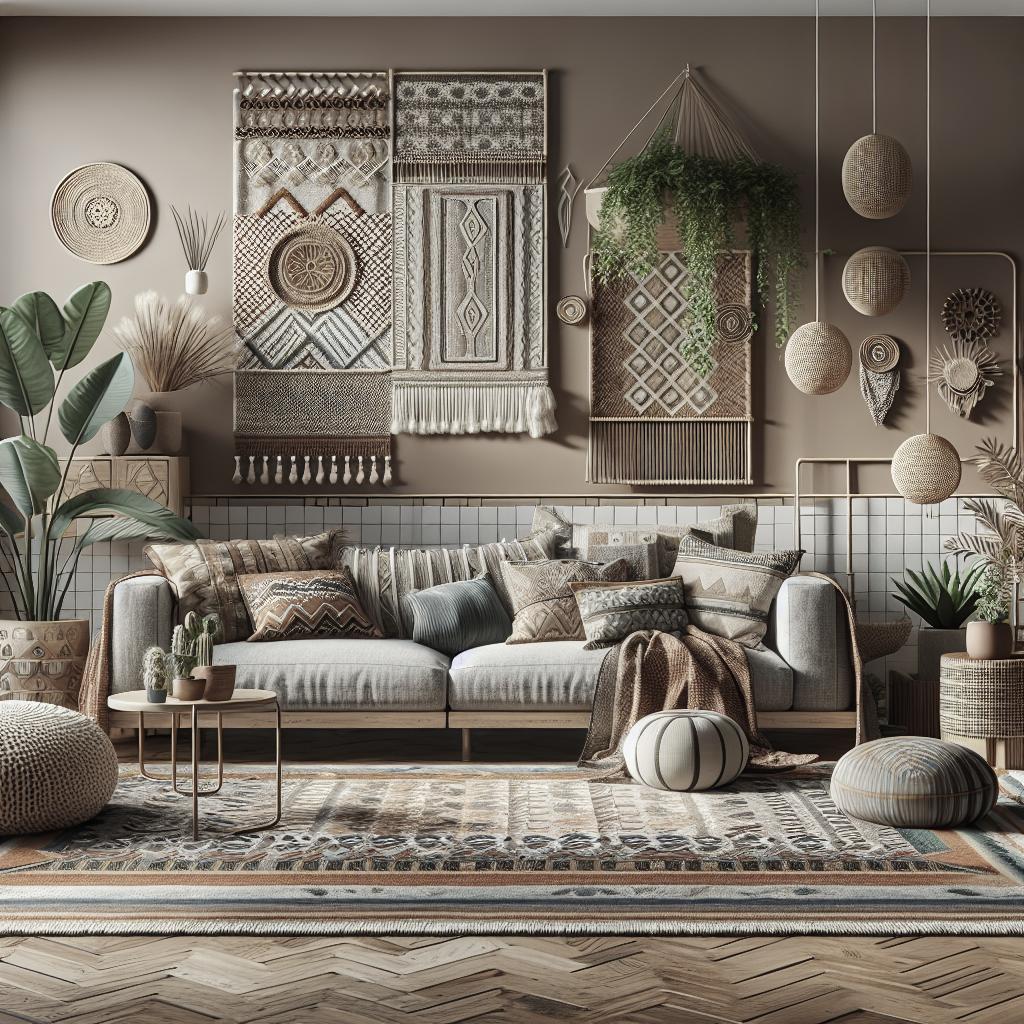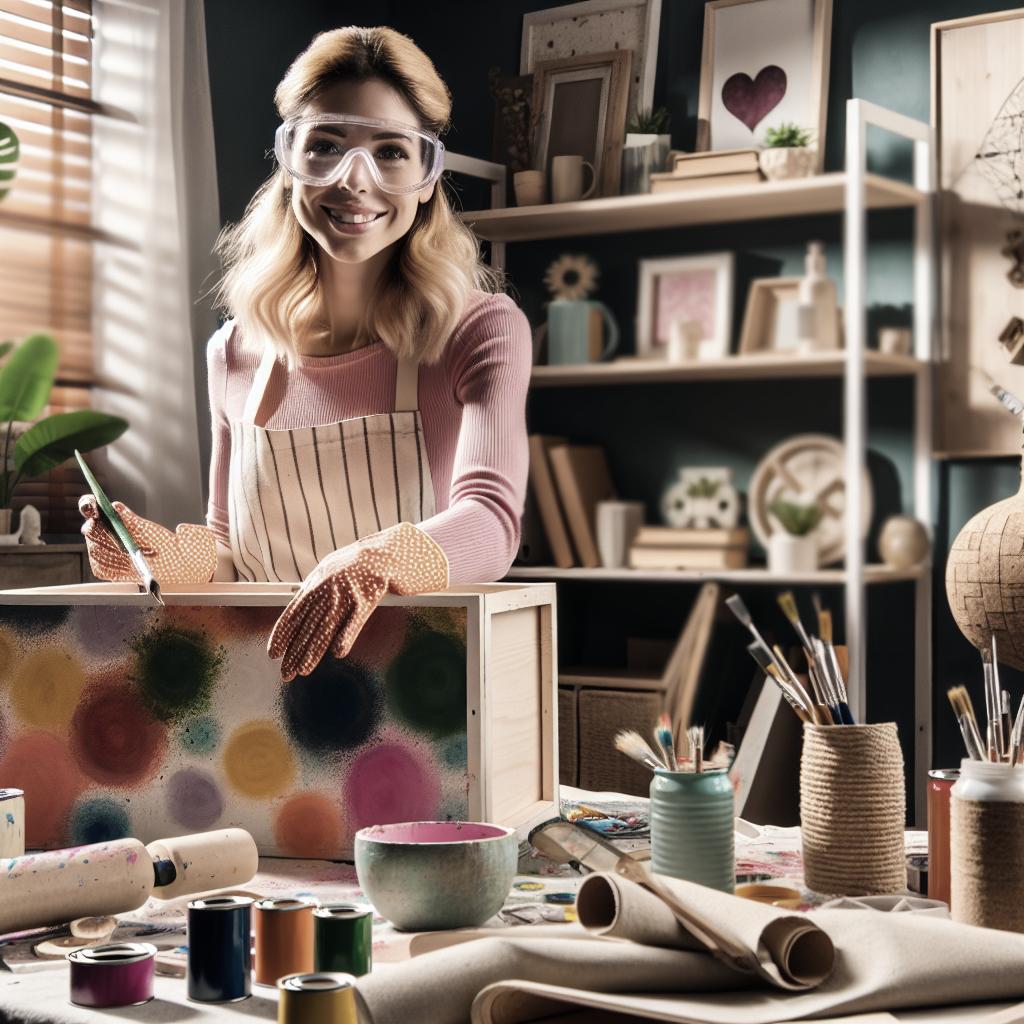
Transforming your space to reflect your personality doesn’t have to break the bank. DIY projects offer a creative and cost-effective way to personalize your home, allowing for unparalleled customization. From simple tasks like painting and crafting art to more advanced projects like upholstering and custom furniture, DIY endeavors create a sense of achievement while refreshing your surroundings. This blog post will guide you through a myriad of DIY projects to personalize your space and offer tips for successful execution. By tapping into your creativity, you can create a home environment that is uniquely yours. Let’s explore how you can make your space truly special with DIY projects that are both fun and fulfilling. Whether you are a beginner or a seasoned DIYer, there’s something here for everyone. ## Why DIY DIY, or “do it yourself,” has gained immense popularity over the years, becoming more than just a hobby for many. The allure of DIY lies in its accessibility and the sheer satisfaction of creating something with your own hands. When you embark on a DIY project, you not only save money but also gain a unique sense of accomplishment. Each piece becomes a personal reflection of your creativity and style, a testament to the effort and ingenuity you’ve invested. Moreover, DIY allows for significant customization. Mass-produced home decor often lacks the personal touch, which is where DIY shines. It empowers individuals to tailor projects to their exact preferences, from the choice of colors and materials to the overall design, resulting in pieces that perfectly complement their home’s aesthetic and function. Engaging in DIY projects also fosters a learning experience. Through trial and error, you develop new skills and build confidence in your capabilities. This continuous learning curve not only enhances your ability to tackle more complex projects over time but also encourages a mindset of resourcefulness and innovation. ## Some Simple DIY Ideas ### Painting Furniture or Accent Walls One of the easiest ways to personalize a space is by painting. Whether it’s an old piece of furniture or an accent wall, paint can completely transform a look. For furniture, consider using chalk paint for a matte and shabby chic finish, or vibrant colors to create a statement piece. Accent walls can serve as a focal point, allowing you to experiment with patterns, textures, or bold hues without committing to an entire room. Painting gives you an opportunity to reinvigorate pieces you already own rather than purchasing new ones, making it cost-effective. With a little creativity and some paint, you can match any trend or season effortlessly. ### Creating Framed Wall Art Framed wall art is a fantastic way to infuse personality into your space. DIY framed art projects can range from abstract paintings to pressed flowers, or even typography prints. This form of artistic expression adds visual interest and is a reflection of your taste, making your living area feel personalized. For a cohesive look, create a gallery wall by mixing various art styles and frame sizes. This creates a dynamic display and serves as a conversation starter in your home. Plus, creating your own framed art keeps costs low and gives you the flexibility to change your decor as often as you like. ### Customizing Coasters or Trivets Every detail counts when it comes to personalizing your space, including the small accessories like coasters or trivets. With some cork or ceramic tiles, paint, and sealant, you can design coasters that complement your home’s color scheme. Consider adding geometric patterns, stencils, or even photographs printed onto your coasters for a custom touch. This craft is not only practical but also makes for excellent homemade gifts. Personalized coasters can elevate the everyday act of having coffee or tea with guests, adding a distinct touch to your entertaining essentials. ### Decorative Planters Plants naturally enhance any space, and custom planters can add that extra flair to your home decor. Consider painting clay pots with intricate designs or using macrame plant hangers to introduce an element of bohemian style. Repurpose old containers by transforming them into eclectic planters with a coat of paint or some colorful fabric. Creating decorative planters is not only a simple and affordable project, but it also encourages a greener lifestyle by promoting indoor gardening. Personalized planters bring in your unique touch, making your plants feel more like integrated elements of your decor. ### Design Interesting Throw Pillows Layout Throw pillows can dramatically change the look and feel of any room. Sewing your own pillow covers allows you to choose textiles and patterns that suit your aesthetic perfectly. Mix and match various fabrics like velvet, burlap, or patterned cotton to create a rich tapestry of textures on your sofa or bed. Arranging throw pillows in different sizes and shapes can create a layered and inviting look. This not only provides comfort but also adds a personal touch to your living spaces, highlighting your color schemes or seasonal decor themes. ## Take It Up a Notch ### Building Shelving Units For those ready to dive into more complex projects, building your own shelving units can be a gratifying endeavor. Custom shelving can optimize space, especially in tricky or smaller areas. Whether you opt for industrial pipe and wood shelving or floating shelves, the result is an added dimension to your decor that caters directly to your needs and style. Not only does creating shelving enhance organization, but it also provides a platform to display cherished items like books, photos, or collectibles. This added functionality, combined with your personal design, can give your room depth and character. ### Upholstering Furniture Reupholstering furniture can take your DIY skills to a new level. This project allows you to breathe new life into worn pieces without the expense of buying new ones. Choose fabrics that resonate with your personal style, whether it’s a bold print for an accent chair or a subtle neutral for a sofa. Upholstering can be challenging, but the results are immensely rewarding. A refreshed piece of furniture can become a centerpiece in your room, and the craftsmanship involved in upholstering it yourself adds a personal narrative to your decor. ### Macrame Designs Macrame is a creative way to incorporate artful textures into your home. With just some cord and basic knots, you can craft intricate designs for wall hangings, plant hangers, or even curtains. This versatile and tactile craft adds an organic feel to spaces, particularly those leaning towards bohemian or eclectic themes. Creating macrame pieces allows for a lot of creative freedom and personal expression. Whether crafting a large statement piece or subtle decorative accents, macrame can transform the ambiance of your environment, fostering a handcrafted and warm atmosphere. ### Custom Furniture For the ambitious DIY enthusiast, constructing custom furniture can be the ultimate project. This endeavor requires planning, precision, and creativity, allowing you to create bespoke pieces tailored to your space. Whether it’s a coffee table made from reclaimed wood or a bespoke headboard, each project culminates in a unique item that meshes functionality with your own signature style. Building custom furniture provides insights into joinery and design principles, extending your skills and understanding of craftsmanship. It represents a commitment not just to aesthetics, but to lasting quality and personal history within your home. ## Tips for Successful DIY Projects ### Plan Ahead Adequate planning is crucial for DIY project success. Sketch out designs, gather your materials, and ensure you understand each step of the process beforehand. This reduces room for error and helps streamline execution. Creating a timeline and budget for your project can help manage expectations, ensuring you have the resources needed to see it through to completion, avoiding last-minute trips to the hardware store or unexpected costs. ### Start Small If you’re new to DIY, begin with smaller projects. This approach builds confidence and allows you to hone your skills. Projects like crafting coasters or painting a small piece of furniture are great starting points. Starting small mitigates the risk of feeling overwhelmed and enables you to enjoy the process, learning at a comfortable pace. Each success then becomes a foundation for tackling more complex projects. ### Consider Your Skill Level Evaluating your skill level before starting a project is important. Choose projects that are challenging yet achievable, pushing your boundaries without leading to frustration. There are countless tutorials available for every skill level to guide you through the process. Balancing ambition with realism ensures a rewarding experience and maintains enthusiasm to continue engaging in DIY projects. With each project, you will notice significant growth in your capabilities, motivating you further. ### Use Quality Materials The quality of your materials can make a significant difference in the outcome of your project. Inexpensive materials might save money in the short term, but they can compromise your project’s durability and appearance. Investing in quality materials pays off by enhancing both the aesthetic and longevity of your creations. A sturdy finish or durable paint can mean the difference between a project you’re proud of and one that you need to redo. ### Don’t be Bogged Down by Imperfections Imperfections are an inherent part of any DIY project, especially as you’re learning. Rather than striving for perfection, focus on the creativity and originality your mistakes can inspire. These imperfections make your projects uniquely yours, and often lend character and personality that cannot be replicated. Celebrate the process and the progress rather than fixating on flaws. ### Be Safe Safety should always be a priority. Use appropriate tools and wear protective gear such as goggles or gloves when necessary. A safe workspace is organized, well-lit, and free from hazards. Taking safety seriously not only prevents accidents but also ensures a stress-free creative environment, empowering you to focus on crafting rather than worrying about potential mishaps. ### Have Fun The most important tip is to have fun. DIY projects are an opportunity to express yourself, unleash creativity, and enjoy the process of making something tangible. Approach each project with enthusiasm and curiosity. Your enjoyment will shine through in the finished pieces, making your personalized space even more special and meaningful. ## More You’ll Love Explore more DIY ideas by browsing online tutorials and community forums. Check out Pinterest or Instagram for inspiration and join DIY groups where hobbyists share tricks, tips, and project successes. Learning from others can spark new ideas and help improve your techniques. ## Related by Tags – Home Decor – Crafting – Creative Projects – Upcycling – Handmade – Interior Design ## Leave a Comment We’d love to hear about your DIY adventures! Share your favorite projects, tips, or ask questions in the comments below. Your experiences may inspire others in this creative community.
| Section | Summary |
|---|---|
| Why DIY | Explains the allure and benefits of DIY projects, including customization, cost-effectiveness, and skill development. |
| Some Simple DIY Ideas | Provides easy and accessible DIY project ideas for beginners, such as painting furniture and creating decorative planters. |
| Take It Up a Notch | Introduces more advanced DIY projects for experienced crafters, like upholstering furniture and building custom shelving units. |
| Tips for Successful DIY Projects | Offers practical advice for planning, executing, and successfully completing DIY projects while ensuring safety and enjoyment. |
| More You’ll Love | Suggests exploring additional resources and communities to find further DIY inspiration and support. |