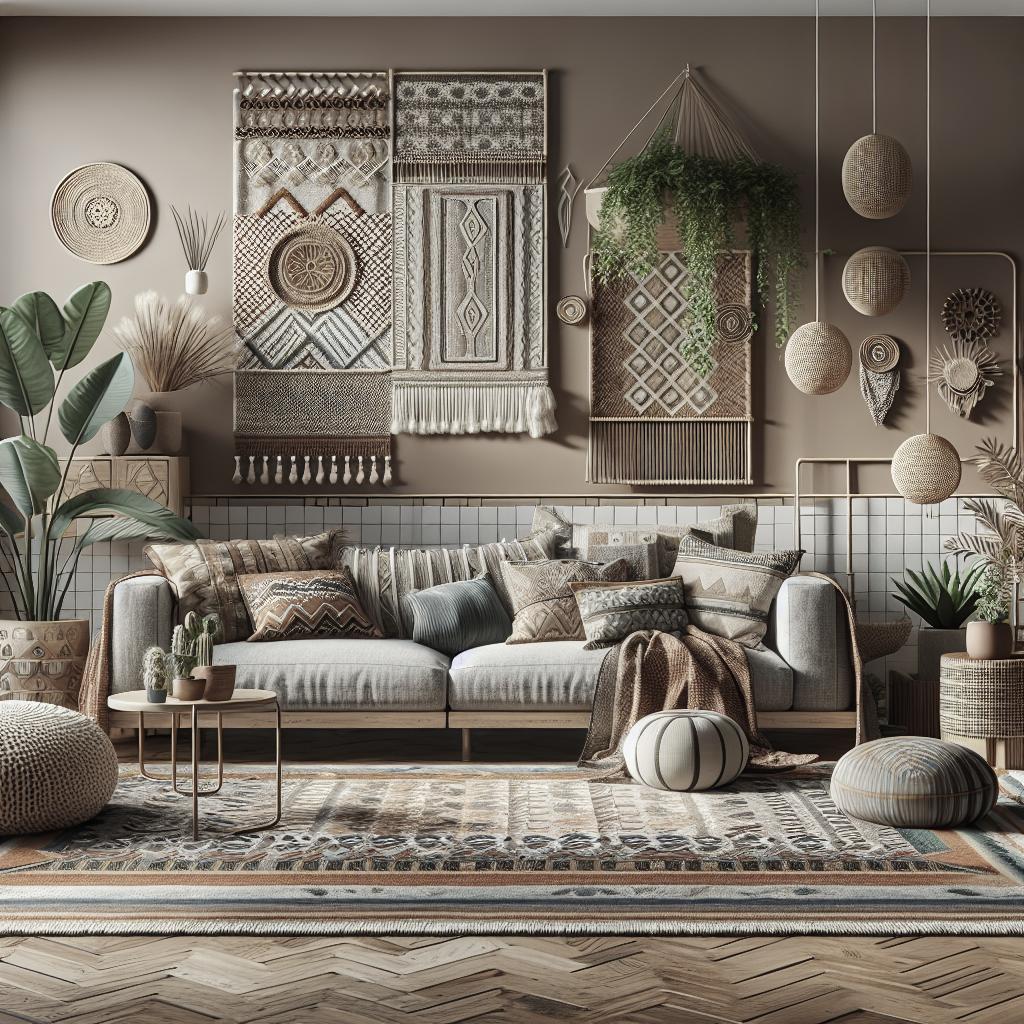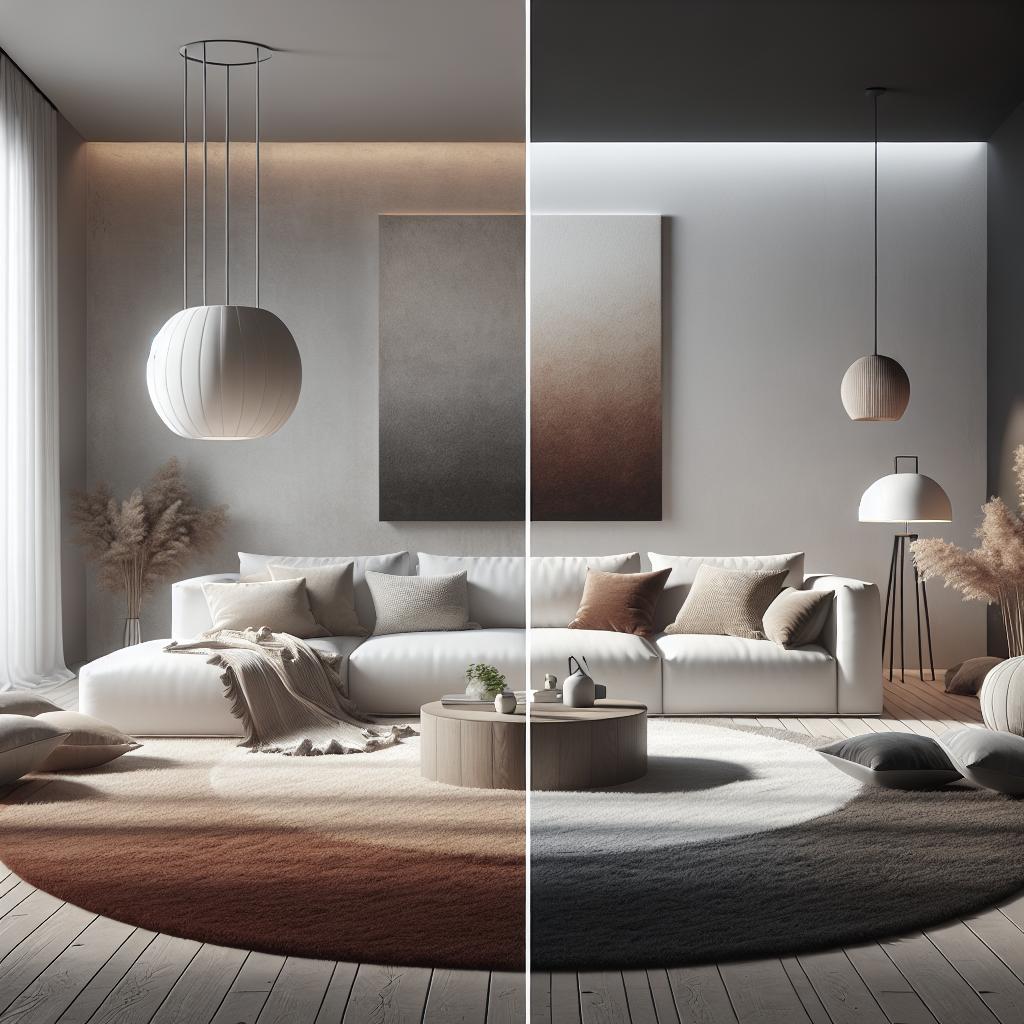
Minimalist design is often characterized by its simplicity, clean lines, and a ‘less is more’ philosophy that creates calm and clutter-free environments. However, without the right elements, minimalist spaces can sometimes feel cold and uninviting. This blog post delves into how you can add warmth to your minimalist spaces without compromising the essence of minimalism. We will explore various strategies, from prioritizing quality and softening severity with textures, to introducing nature-inspired elements and vintage touches. Each approach is crafted to enhance the coziness of a minimalist environment, making it not just sleek and sophisticated, but also welcoming and comfortable. Whether you’re decorating a new home or refreshing your existing design, these comprehensive tips will guide you in creating a warm minimalist interior that’s both functional and aesthetically pleasing. ## Quality First In minimalist design, where every piece holds significant weight in defining the space, prioritizing quality over quantity is crucial. Investing in high-quality furniture and décor can transform a minimalist room from bare to beautiful. Quality items tend to have better craftsmanship, which adds a level of sophistication and tactile pleasure. Whether it’s a well-crafted wooden coffee table or a designer chair with impeccable lines, these elements contribute warmth and character to the room. Additionally, quality materials, such as a plush wool rug or soft linen curtains, add texture and depth—essential components for creating an inviting atmosphere. As you evaluate pieces for your minimalist space, focus on the details and finishes that set them apart. This careful selection process helps maintain the minimalist aesthetic while ensuring the room doesn’t feel stark and empty. ## Streamlined, Not Stark Minimalism doesn’t have to mean empty or cold. The goal is to streamline, not to strip away the essence that makes a space feel lived in and loved. You can achieve this by selecting furniture and décor pieces that are minimal in form but offer maximum comfort and usability. Think of a simple chaise lounge that finds beauty in its functional design or a bookshelf that highlights your favorite reads without overwhelming the space. The key is to ensure that the space is functional and tailored to your needs without unnecessary clutter. By retaining only the objects that serve a purpose or bring joy, a minimalist environment is created that is both functional and filled with personality. Be mindful of balance and proportion, ensuring that each element complements rather than competes with the others in your space. ## Working With White White is a staple in minimalist interiors, providing a pristine canvas that enhances light and space. However, an all-white room can sometimes lack warmth if not treated correctly. The trick is to use different shades and tones of white to introduce variation and depth. Consider using warm whites for walls and cool whites for accents or accessories. Incorporating natural light is also a significant factor in enhancing the warmth of an all-white room. Use sheer curtains to allow gentle light to filter through, casting soft shadows and highlighting the room’s architectural features. The play of light adds dynamism to the simplicity of white, creating a serene yet inviting atmosphere. ## Softening Up Severity A minimalist space often thrives on the absence of unnecessary elements, but this can sometimes result in a sterile environment. To soften this severity, introduce curves and softness into your space. Furniture with rounded edges, such as circular coffee tables or elliptical mirrors, can counteract the rigid lines typically found in minimalist designs. Soft furnishings like throws, cushions, and upholstered furniture further inject warmth and ease. Choose textiles that feel good to touch, like cashmere or velvet, to enhance the sensory experience. By blending soft materials and rounded forms, you add an inviting layer of comfort, making the minimalist space a haven of tranquility. ## Texture, Texture, Texture Texture is an essential aspect of any interior design but is especially vital in minimalist spaces where fewer elements are present. By incorporating various textures, you create a stimulating yet subtle richness that avoids monotony. Think beyond fabrics; wooden furniture, stone surfaces, and metal accents provide a tactile diversity that is visually intriguing and comforting. Consider layering textures for added depth; pair a plush rug with a sleek leather sofa or combine raw concrete with soft, woolen accessories. These textural contrasts create a multi-layered experience that draws you into the space, offering warmth through the absence of clutter but the presence of touch. ## Great Big Artwork Incorporating large-scale art can be a powerful way to add warmth and character to a minimalist space. Art serves as a focal point and adds personality without overwhelming the clean lines typical of minimalist design. Opt for pieces that resonate with you personally, whether through color, subject, or form, to create a meaningful connection within your space. An oversized canvas with warm tones or abstract forms can dramatically alter the ambiance of a room, lending it an aura of creativity and warmth. Furthermore, art doesn’t have to be expensive; you can explore local galleries or online platforms for unique and affordable pieces that enrich your minimalist interior. ## A Touch Of Vintage Can Go A Long Way Introducing vintage elements into a minimalist interior brings a sense of history and character, offering warmth that newly minted items might lack. A vintage armchair with aged leather or a mid-century sideboard can stand out as a statement piece that adds depth and a narrative to your space. Vintage items also often have a warm patina or weathered texture that stands in stark contrast to the sleek surfaces in minimalism, creating a harmonious balance. Additionally, incorporating vintage elements is sustainable, tapping into the ethos of doing more with less—a cornerstone of minimalist philosophy. ## Minimalist Colour Palette While white and neutrals form the backbone of minimalism, introducing subtle colors can add warmth and personalize your space. Consider using a limited palette of soft earth tones or muted pastels to inject a gentle vibrancy into your room. These colors can be reflected in soft furnishings, artwork, or an accent wall, providing a visual break while maintaining a cohesive look. Stick with colors that evoke warmth, such as terracotta, ochre, or muted greens, to ensure that the minimalist space remains inviting. By carefully selecting and placing color, you can bring life to a minimal space without losing its essence. ## Inspired By Nature Nature-inspired elements can introduce both warmth and tranquility into a minimalist design. Materials like wood, stone, and clay bring an organic texture that complements the simplicity of minimalism. Incorporate wooden furniture, stone surfaces, or clay pottery to add earthiness and depth. Plants also play a significant role in breathing life into minimalist spaces. Incorporate indoor plants or a small indoor herb garden to introduce greenery and freshness. The presence of natural elements softens the minimalist lines and creates a calming and harmonious environment that feels intimately connected to nature. ## Literal Warm Up Beyond visual elements, consider how physical warmth can influence the ambiance of a minimalist space. Investing in a fireplace or wood-burning stove can serve as a central cozy feature, inviting people to gather around. Even in the absence of such installations, strategically placed candles or a chic room heater can provide warmth and ambiance. Lighting plays an essential role as well; opt for warm LED lights or lamps with adjustable hue settings to create an inviting glow. By focusing on physical warmth, you add a layer of comfort that complements the minimalist style, making the space not only aesthetically warm but also functionally cozy. ### 10 Tips for Curating a Simple and Classic Space That Still Welcomes You in Like a Warm Hug 1. Prioritize quality items that are multi-functional. 2. Select streamlined furniture that aligns with your lifestyle. 3. Use diverse shades of white to create depth. 4. Integrate curves and soft textures to break severity. 5. Layer various textures for a multi-sensory experience. 6. Introduce large artwork as a focal point. 7. Include a single vintage piece for character. 8. Incorporate a minimalist color palette with warm undertones. 9. Use natural materials and plants for a connected feel. 10. Add elements that provide physical warmth. ## Final Thoughts Incorporating warmth into a minimalist space requires a thoughtful balance between simplicity and comfort. By focusing on quality, texture, color, and natural elements, you can create an interior that feels welcoming and soothing without sacrificing the clean lines and uncluttered aesthetic that defines minimalism. Whether through a well-chosen piece of art, the gentle curve of a chair, or the warmth of natural materials, each element plays a crucial role in transforming a minimalist space into one that truly feels like home. “`html
| Strategy | Elements |
|---|---|
| Quality First | Invest in high-quality, tactile furniture and décor. |
| Streamlined, Not Stark | Choose functional pieces that don’t add clutter. |
| Working With White | Use warm shades of white and allow natural light. |
| Softening Up Severity | Incorporate curves and soft textiles. |
| Texture, Texture, Texture | Layer different textures for depth. |
| Great Big Artwork | Add large-scale art for character and focus. |
| A Touch Of Vintage Can Go A Long Way | Introduce vintage elements for warmth and character. |
| Minimalist Colour Palette | Choose colors that are warm and muted. |
| Inspired By Nature | Use natural materials and plants. |
| Literal Warm Up | Add elements of physical warmth like lighting or fireplace. |
“`