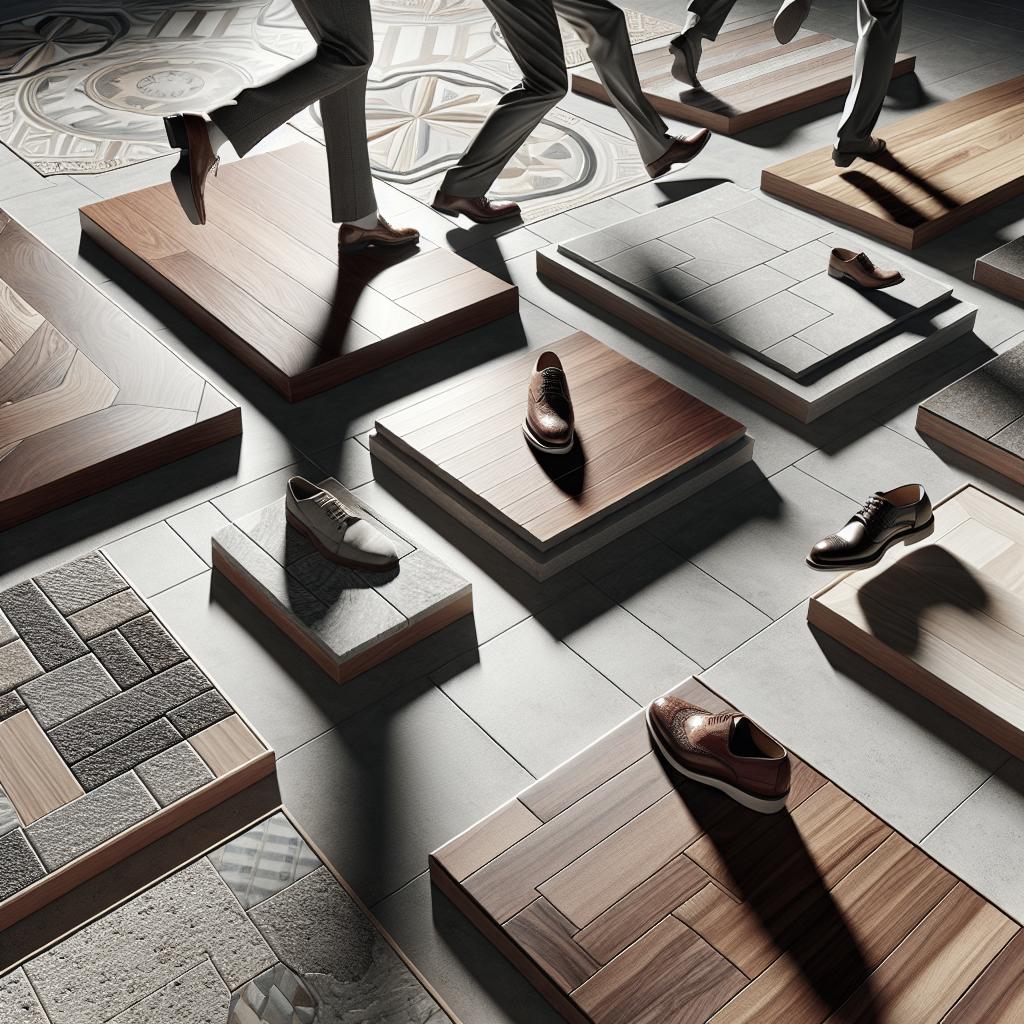
### Durable Flooring Options for High-Traffic Areas Selecting the right flooring for high-traffic areas is crucial for maintaining both functionality and aesthetics. These areas, often exposed to heavy foot traffic and potential wear and tear, require flooring solutions that are not only robust but also elegant and easy to maintain. In this blog post, we’ll explore the essential features that flooring for high-traffic areas should possess and delve into some top flooring options specifically designed to withstand such intense use. Furthermore, we’ll discuss maintenance tips to ensure longevity and preserve the appearance of your flooring. Let’s embark on this journey to discover the best flooring solutions for busy spaces, helping you make informed decisions that meet both your practical needs and design preferences. ## The Features of Flooring for High-Traffic Areas ### Flooring Should Be Durable The durability of flooring in high-traffic areas is critical. These areas, whether they are commercial spaces or busy family homes, are subject to constant use, which can lead to wear and tear. Durable flooring must withstand foot traffic, moving furniture, and, occasionally, the wear from wheeled objects or heavy equipment. Materials like stone, tile, and certain synthetic options are renowned for their resilience, offering a lifespan that can often outlast other less robust materials. When considering durability, the construction of the flooring is just as crucial. Solid construction and high-quality materials ensure that the floor can resist impacts and abrasion. This is particularly important in areas such as hallways, kitchens, and commercial settings, where the floor is continuously subjected to intense use. ### Flooring Should Have High-Resistance Resistance to various forms of potential damage is another essential feature of flooring for high-traffic areas. This includes resistance to staining, scratches, and water. In spaces like kitchens or commercial dining areas, spills are inevitable; flooring in these areas should be impervious to liquids and not easily scratched by foot traffic or moving furniture. Materials like ceramic tiles and luxury vinyl often offer high resistance levels, combining tough surfaces with protective finishes. High-resistance flooring ensures that the surface remains intact and looks new for longer periods, reducing maintenance needs and prolonging the investment in the flooring. ### Flooring Should Be Easily Maintained Ease of maintenance is a significant factor in flooring selection for high-traffic areas. Floors that require minimal upkeep but remain attractive and functional are ideal, as they save both time and expenditure on cleaning supplies and services. Opting for flooring materials that resist dirt accumulation and are easy to clean can dramatically reduce maintenance time. Materials such as laminate and certain types of tile allow for simple sweeping and mopping, making them practical choices for any busy area. Additionally, floors with protective layers or coatings can simplify the cleaning process and prevent staining and dullness. ### Flooring Should Be Elegant While functionality is paramount, the aesthetic appeal of flooring cannot be overlooked, especially in high-traffic areas that are visible to guests or customers. Elegant flooring can enhance the overall design of a space, contributing significantly to its ambience and feel. Wood and engineered hardwood offer timeless beauty, while luxury vinyl can mimic high-end materials at a lower cost. An elegant floor integrates effortlessly into the design of the room, providing a cohesive look that complements the architecture and interior decor. ### Flooring Should Be Comfortable Comfort in high-traffic areas is about more than just aesthetic appeal; it’s also about ensuring the flooring feels good underfoot. Hard surfaces can be taxing on the feet over time, so selecting flooring with some degree of give or cushioning can make walking on the floor more enjoyable. Options like cork or certain types of vinyl provide natural cushioning. For environments where standing for extended periods is common, these choices can significantly enhance comfort and reduce fatigue, contributing to a better experience for both residents and visitors. ### Flooring Should Be Cost-Effective Finally, cost-effectiveness is a crucial aspect of selecting flooring for high-traffic areas. Whether it’s a commercial installation or a residential one, budget considerations often heavily influence flooring choice. However, it’s not just the initial cost, but also the long-term costs associated with maintenance and replacement that must be considered. Materials like laminate and vinyl often provide excellent cost-to-performance ratios, combining durability and aesthetic appeal at a reasonable price. These materials can emulate more expensive flooring types without the same financial investment, offering high value without sacrificing quality. ## Flooring Types For High-Traffic Areas ### Tile Flooring For High-Traffic Areas Tile flooring is a mainstay in high-traffic contexts due to its durability and resistance to water, stains, and abrasions. Available in a myriad of designs, tiles are versatile enough to suit any aesthetic while standing up to heavy footfall without showing significant wear. In spaces like kitchens and bathrooms where spills are common, tile floors excel because they’re easy to clean and don’t absorb liquids. Whether selecting ceramic, porcelain, or stone tiles, each choice offers its unique blend of strength and style, ensuring that they meet both practical needs and aesthetic desires. ### Laminate Flooring For High-Traffic Areas (Rated AC4 to AC5) Laminate flooring, especially those rated AC4 to AC5, is designed specifically for heavy wear and is ideal for high-traffic settings. These ratings indicate floors that are highly resistant to scratches, stains, and wear, making them an excellent choice for bustling homes or businesses. Laminate is also favored for its affordability and ability to mimic natural finishes such as wood or stone, providing an elegant appearance without the associated costs. Its easy installation and maintenance further bolster its suitability for high-traffic areas, reducing long-term costs and hassle. ### Concrete Flooring For High-Traffic Areas Concrete flooring is the epitome of durability, often found in industrial or commercial locations, but increasingly popular in modern home design. Polished or stained concrete can offer a chic, contemporary look while withstanding all the wear associated with high foot traffic. Its lack of seams or joints makes concrete floors incredibly easy to maintain, given their resistance to spills and stains. Furthermore, concrete floors can be enhanced with various coatings or finishes for added durability and aesthetic appeal, ensuring they meet a wide range of functional and design requirements. ### Hardwood And Engineered Hardwood Flooring For High-Traffic Areas While traditional hardwood might not seem ideal due to potential scratching, there are finishes and treatments available that enhance its durability. Using options like engineered hardwood can provide the desired look with greater resistance to moisture and temperature changes. Engineered hardwood involves a top layer of real wood bonded over layers of plywood, offering the authentic beauty of hardwood with increased resilience. These floors resist warping in high-moisture areas and are protected by durable finishes that make them more suitable for high-traffic use. ### Luxury Vinyl Flooring For High-Traffic Areas Luxury vinyl flooring combines toughness with style, offering surfaces that are water-resistant, durable, and incredibly versatile. Innovations in design have made luxury vinyl planks and tiles visually indistinguishable from real wood or stone, making them a popular choice in both residential and commercial spaces. The cushioned core structure provides a softer underfoot feel while maintaining durability, making it suitable for areas such as kitchens and living rooms. Luxury vinyl’s ease of installation, soundproofing qualities, and resistance to scuffs and stains enhance its appeal for high-traffic areas. ## Flooring Maintenance For High-Traffic Areas ### Floor Cleaning For High-Traffic Areas Regular cleaning is crucial in preserving the look and functionality of floors in high-traffic areas. Adopting a consistent cleaning schedule—including sweeping, vacuuming, and mopping—prevents dirt and grime from building up, which can scratch or dull surfaces over time. For tile and vinyl, a damp mop with a mild cleaning solution is generally sufficient, while laminate and hardwood may require specialized cleaners to protect their finishes. It is important to avoid excessively wet cleaning methods to prevent damage, particularly for materials not highly resistant to moisture. ### Floor Maintenance For High-Traffic Areas In addition to cleaning, regular maintenance practices such as resealing or refinishing are crucial to prolonging the life of flooring in high-traffic areas. Stone and tile may need periodic sealing to maintain their resistance to stains, while hardwood floors benefit from periodic refinishing to renew their luster and protect the surface. Using protective mats or rugs in entrance areas can further prevent wear, acting as a barrier to dirt and moisture. Moreover, applying protective pads to furniture legs can minimize scratches and dents, ensuring the flooring surface remains unmarred. ### Flooring Care For High-Traffic Areas Caring for high-traffic flooring involves more than just cleaning and maintenance. It’s essential to address any damages promptly to prevent them from worsening. Small scratches or chips in tile and laminate should be repaired immediately to maintain the floor’s integrity and appearance. Weather-related considerations must also be accounted for; for instance, high humidity levels can affect wood floors, while excessive dryness can lead to splitting or cracking. Understanding environmental factors and their effects on flooring can guide appropriate adjustments or protective measures to prolong the flooring life span. ## Lessons Learned Below is a summary of the flooring features and types suitable for high-traffic areas:
| Feature | Description |
|---|---|
| Durability | Stands up to wear and tear from heavy use |
| High-Resistance | Resistant to stains, scratches, and moisture |
| Maintenance | Easy to clean and maintain over time |
| Elegance | Provides aesthetic appeal in high-visibility areas |
| Comfort | Feels good underfoot and reduces fatigue |
| Cost-Effective | Offers the best value for investment |
| Flooring Type | Benefits |
| Tile | Highly durable and resistant to moisture |
| Laminate (AC4 to AC5) | Scratch and stain-resistant with easy maintenance |
| Concrete | Extremely durable with a modern aesthetic |
| Hardwood/Engineered Hardwood | Beautiful and resilient with proper finishes |
| Luxury Vinyl | Water-resistant, versatile, and comfortable |
By understanding these key features and flooring types, you can better navigate the options available, ensuring that you choose a solution that is appropriate for your high-traffic area’s demands, while also aligning with your aesthetic goals and budget.