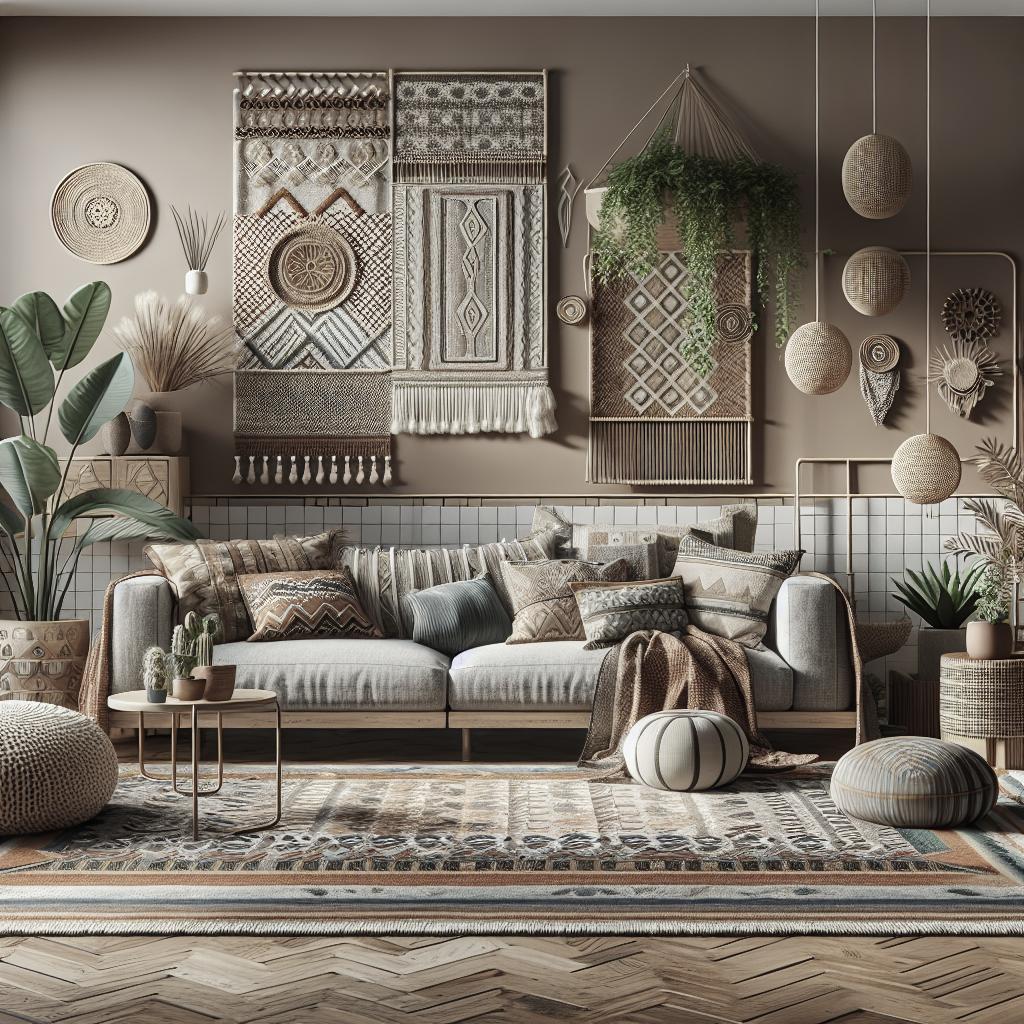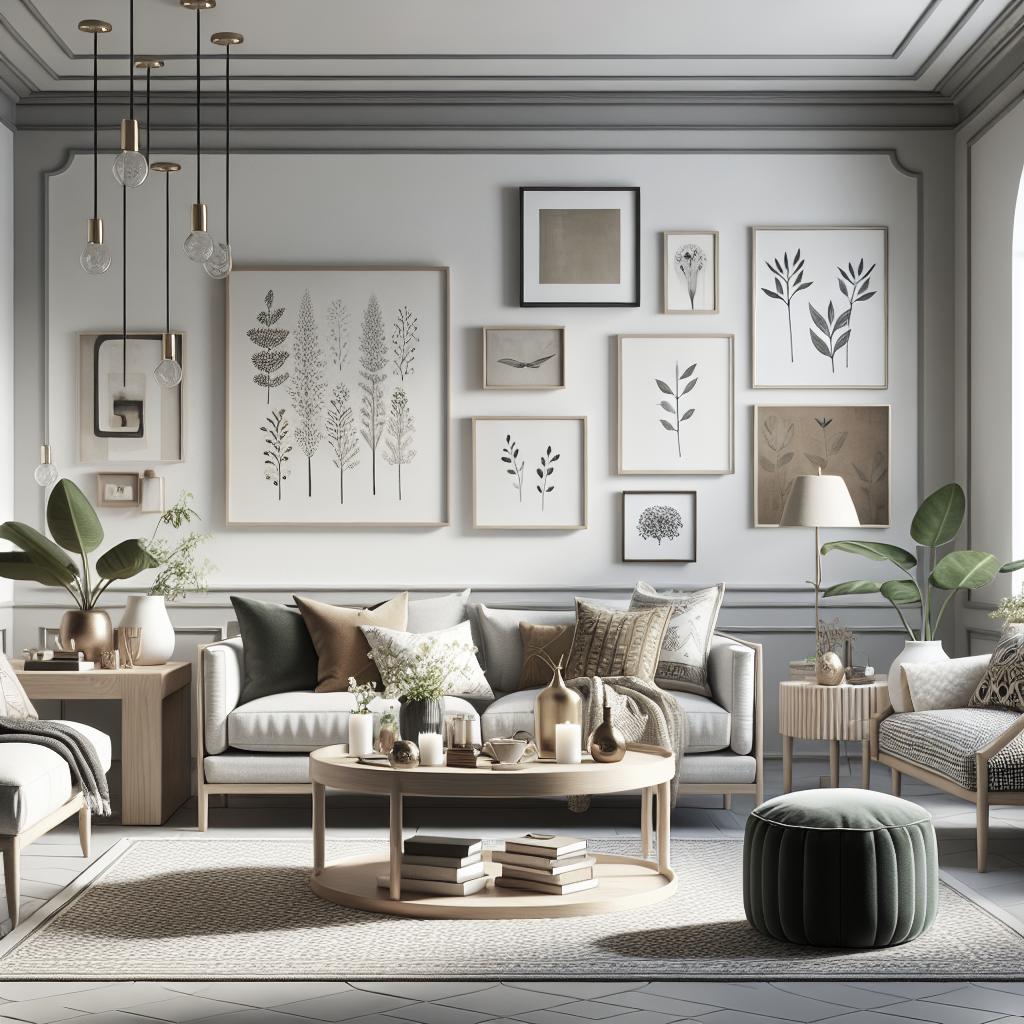
Creating a well-accessorized room that exudes cohesion can be a delightful yet challenging task. Whether you are an avid collector or someone who loves to experiment with design elements, bringing harmony to your space requires a thoughtful approach. In this blog post, we delve into six essential strategies to help you strike the perfect balance between style and coherence in your interior design. From learning how to edit when your collectible items seem to take over your space, to playing with scale and texture for visual interest, each section offers practical advice for creating a unified aesthetic. We also explore the importance of finding common threads in your décor and trusting your instincts to guide your design decisions. Furthermore, achieving balance through contrasting elements and considering the narrative you want your space to tell can transform your room into a beautifully cohesive environment. Dive in to discover the art of accessorizing for a harmonious and inviting home. ### How to Edit When You Can’t Stop Collecting For many, the love of collecting is an integral part of personal expression, but it can quickly overwhelm a space if not managed carefully. The first step to achieving cohesion in a room filled with collectibles is to edit the collection. Start by identifying the core pieces that hold the most significance or visual appeal to you. Consider showcasing only a select few at a time and rotating them seasonally or whenever you wish to refresh the room’s look. This not only helps maintain order but also allows you to appreciate each piece more fully. Restricting the display to a carefully curated selection does not necessarily mean parting with beloved items. Instead, it invites an opportunity to create a dynamic and changing environment. Utilize storage solutions for the pieces kept out of immediate view. Custom shelving, under-bed storage, or decorative boxes can be both practical and integral to your design scheme. Organize your treasures in a way that emphasizes unity while avoiding clutter. Group similar items together by theme, color, or material to form cohesive vignettes. Such arrangements draw the eye systematically, enhancing the room’s overall flow. When done correctly, editing your collection can lead to a space that showcases your personality without sacrificing harmony. ### Play with Scale and Texture Adding interest to a room often comes down to how you interpret and blend scale and texture. These elements have the ability to transform an otherwise straightforward space into something compelling and stylish. Begin by including objects of varied sizes; juxtapose large and small accessories to create balance and intrigue. For instance, place a substantial floor lamp next to a smaller side table, then layer it with decor of assorted sizes on top. Texture, like scale, is an impactful tool in an accessorizer’s repertoire—it brings depth and warmth to a space. Incorporate a complex mix of materials such as plush textiles, sleek metals, or rugged woods within your room décor. Imagine a leather cushion on a soft fabric sofa or a rough-hewn wooden bowl against a gleaming glass tabletop. These subtle contrasts enrich the sensory experience of the room. Opt for textures that speak to personal comfort and style while remaining consistent with the space’s overarching theme. Whether it’s through a velvet throw or a woven basket, texture invites touch and increases engagement with the room, contributing to a cohesive and inviting atmosphere. ### Find Common Threads One effective way to ensure cohesion is by discovering and highlighting common threads within your room’s accessories. These threads can manifest in various forms—color palettes, themes, or motifs that recur throughout your design. Though your room can—and should—exhibit variety in accessories, there should be elements that tie them all together into a coherent narrative. Select a color scheme that complements your furniture and wall color—it can serve as the foundational fabric that unifies diverse design elements. Accent pillows, artwork, and even books can reflect this palette, threading through the room to connect different areas seamlessly. Themes can also serve as a unifying element. Whether it’s a coastal, bohemian, or modern vibe, introducing thematic elements subtly and strategically will ensure consistency. Perhaps it’s a series of botanical prints or nautical stripes that appear in small doses throughout. These recurring elements forge a visual consistency that orders the larger room composition without overwhelming the senses. ### Trust Your Instincts When accessorizing a room for cohesion, sometimes the best guide is your intuition. Instinct often guides you toward what appeals to your senses and reflects your personal style. While rules and guidelines serve as useful tools, flexing your creativity unrestricted by them can often lead to the most authentic and satisfying results. Begin by acknowledging your gut reactions to certain pieces or arrangements. If a particular configuration feels just right or a color unexpectedly adds vibrancy, take it as an assurance that your instincts are leading you in the right direction. You often know more about what works in your space than you may initially think. However, trusting your instincts requires a measure of confidence. Not every decision will be perfect, and experimentation is key. Allow yourself the freedom to tweak and shuffle items as needed. More often than not, trusting in your own sense of beauty and cohesiveness will yield a space that truly resonates with who you are and how you wish to live. ### Balance is Found in Opposites In the realm of interior design, opposites indeed attract, and striking a balance between them can create harmony and interest in a space. Consider contrasting different styles, such as mixing vintage and contemporary pieces to produce a dynamic interplay. This balance can prevent a room from feeling too much from a single era or style, adding depth and character instead. Opposites in materiality and color can similarly enhance cohesion. Pairing smooth with rough surfaces, bright hues with soft tones, or angular lines with organic shapes can break any monotony while subtly maintaining overall unity. Such contrasts strategically applied can evoke a sense of completeness and roundness. Balance can also be found in symmetrical arrangements or asymmetrical distribution, each offering its own brand of harmony and completeness. Experiment with these arrangements until the space feels visually inviting and comfortably balanced, recognizing that equilibrium can manifest in more than one way. ### Think About the Story You Want to Tell Every room has a narrative waiting to unfold through its design—what story do you want your space to communicate? Accessorizing is more than matching colors or styles; it is about weaving together storytelling pieces that resonate on a personal or historical level. Consider the origin, background, or sentiment attached to particular accessories. A well-traveled rug, a family heirloom vase, or photography from places visited can serve as focal points that capture memories and experiences. These curated accessories become conversation starters, making the room not only visually cohesive but also emotionally engaging. A coherent story makes your space authentic and relatable. As you accessorize, be mindful of how each element contributes to the narrative. Everything from the smallest trinket to larger artwork serves a role in shaping the room’s identity, inviting occupants to understand and appreciate the tale you’ve chosen to tell through your collective design choices. ### Lessons Learned Below is a summary of the key takeaways on accessorizing rooms for cohesion. “`html
| Strategy | Description |
|---|---|
| Editing Collections | Choose and rotate core pieces to maintain order and dynamic expression. |
| Scale and Texture | Use varied sizes and materials for depth and visual interest. |
| Common Threads | Identify unifying elements like color or theme to connect spaces seamlessly. |
| Trusting Instincts | Follow intuition for authentic, personal style decisions. |
| Balance in Opposites | Contrasting elements provide balance and prevent monotony. |
| Storytelling | Allow accessories to narrate personal experiences and histories. |
“` By incorporating these strategies in your design process, you’ll be able to create rooms that not only look cohesive but also feel unique and personal. Whether it’s through thoughtful editing, striking the right balance with contrasts, or weaving a visual narrative, accessorizing can transform a room into a harmonious living space.