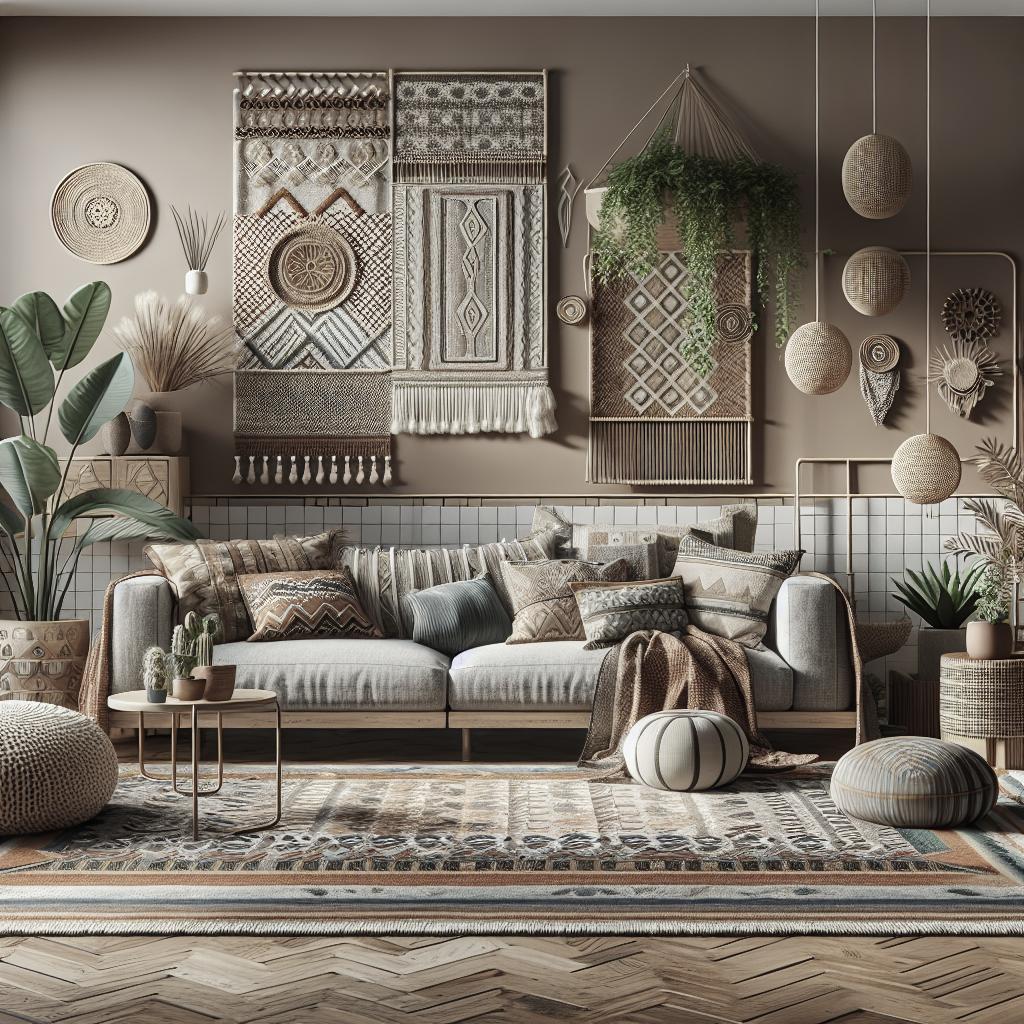
How to Create Depth in a Monochromatic Room
Designing a monochromatic room might seem intimidating at first glance, but with the right approach, it can be a sophisticated and calming choice. This design strategy revolves around using variations of a single color to create harmony and interest. By carefully selecting hues, textures, and finishes, you can add depth and richness to the space without venturing into polychromatic territory. This blog post will guide you through essential steps to achieve a compelling monochromatic design, starting with choosing a color that resonates with you, experimenting with textures, and strategically using black accents. Whether you’re a seasoned decorator or a novice looking to refresh your space, these insights will help breathe life into your monochromatic interior.
Why design a monochromatic room?
Monochromatic rooms offer a sophisticated and unified look that can be incredibly soothing and aesthetically pleasing. By utilizing one dominant hue, these rooms provide a canvas where subtlety stands out. This design style promotes a cohesive aesthetic that can make spaces feel more continuous and spacious, which is particularly beneficial for smaller rooms or homes with open layouts.
Furthermore, monochromatic schemes are versatile, adapting seamlessly to both traditional and modern design styles. They allow for a focus on architectural elements, fine artwork, or unique furnishings without the distraction of competing colors. The monochromatic approach also simplifies the design process by narrowing the palette, allowing for creativity in other areas such as texture, shape, and composition.
1. Choose a Color You Love
The foundation of a monochromatic room is selecting a color that you genuinely love, as it will set the tone for the entire space. Take into consideration the psychological impact of color, as each hue can evoke different emotions and atmospheres. For instance, blues and greens are calming, ideal for bedrooms or bathrooms, while reds and yellows can energize spaces like kitchens or home offices.
When selection begins, consider the existing elements within the room, such as furniture and decor, to ensure cohesiveness. Swatch samples and observe them in various lighting conditions throughout the day to understand how the color changes. This step will help ensure your chosen hue will be satisfying over the long term, minimizing the risk of fatigue.
2. Start Small
For those new to monochromatic designs, starting small can be a more manageable approach that allows for experimentation without the commitment of redesigning an entire space. Consider selecting a smaller room or a section of a room to begin your monochromatic journey, such as a powder room, an entryway, or an accent wall.
Sue Wadden, Sherwin Williams
According to Sue Wadden, director of color marketing at Sherwin Williams, starting with a single piece of furniture or an accent wall in your chosen color can help guide the overall scheme of the room. As you gain confidence, expand the palette to larger areas and integrate additional elements that complement and enhance the primary hue.
3. Use Variations of the Same Color
Employing multiple shades, tints, and tones of the same color can add layers of depth to your room. This method prevents the room from feeling monotonous by introducing subtle differences that catch the eye. Think of using lighter shades for larger surfaces like walls and ceilings and darker accents for furniture and decor pieces.
By varying the intensity and saturation, you can create areas of focus and interest. For instance, a subtle gradient from darker tones near the floor to lighter shades towards the ceiling can elongate walls and draw the eye upward. Incorporate mid-tones in textiles and accessories to bridge the spectrum and unify the design.
4. Create Interest with Texture
Texture is a powerful tool when working within a monochromatic palette. Introducing different textures can add dimension and interest to the room, breaking up the visual monotony. Consider mixing materials such as wool, linen, velvet, or leather, each bringing a distinct tactile quality to the space.
Furnishings with varied finishes, like a high-gloss coffee table paired with a matte fabric sofa, can play off each other beautifully. Accessories like rugs, curtains, and throw pillows in differing textures add another layer of complexity. Additionally, texture can be found in art and décor, such as a textured wall treatment or a sculptural piece, which can serve as a focal point within the room.
5. Vary Paint Finishes
Using differing paint finishes is another effective way to introduce depth while maintaining a monochromatic color scheme. Consider blending matte, satin, and glossy finishes to catch the light differently and create subtle contrasts. Walls may have a matte finish to minimize reflections and provide a soft backdrop, while trim or cabinetry might sport a semi-gloss or gloss for a sleek contrast.
Ceilings painted in a high-gloss finish can reflect more light and add an unexpected twist to the design. Not only do these finishes provide visual interest, but they also highlight architectural details, enhancing the overall aesthetic of the room.
6. Include a Touch of Black
Even in a monochromatic room, a small touch of black can anchor the space and add depth. Black provides a grounding effect, creating a sophisticated contrast that heightens the surrounding colors. Use black sparingly through elements such as picture frames, furniture legs, or decorative objects.
This accent doesn’t disrupt the monochromatic harmony but instead enhances it by adding a modern edge. A black accent wall or a piece of black art can also serve as a striking focal point, drawing attention to the carefully curated design of the space.
Future Prospects
| Aspect | Details |
|---|---|
| Why design a monochromatic room? | Creates a unified, sophisticated look; versatile and highlights architectural elements. |
| Choose a Color You Love | Consider emotional impact and sample in different lighting conditions for satisfaction. |
| Start Small | Begin with a smaller area to gain confidence; expand as you become more comfortable. |
| Use Variations of the Same Color | Adds layers of depth and prevents monotony; use lighter shades on large surfaces. |
| Create Interest with Texture | Incorporate varied materials and furnishings for dimension and visual interest. |
| Vary Paint Finishes | Utilizes matte, satin, and glossy to highlight details and add subtle contrasts. |
| Include a Touch of Black | Adds depth and anchors the room without overwhelming the scheme. |