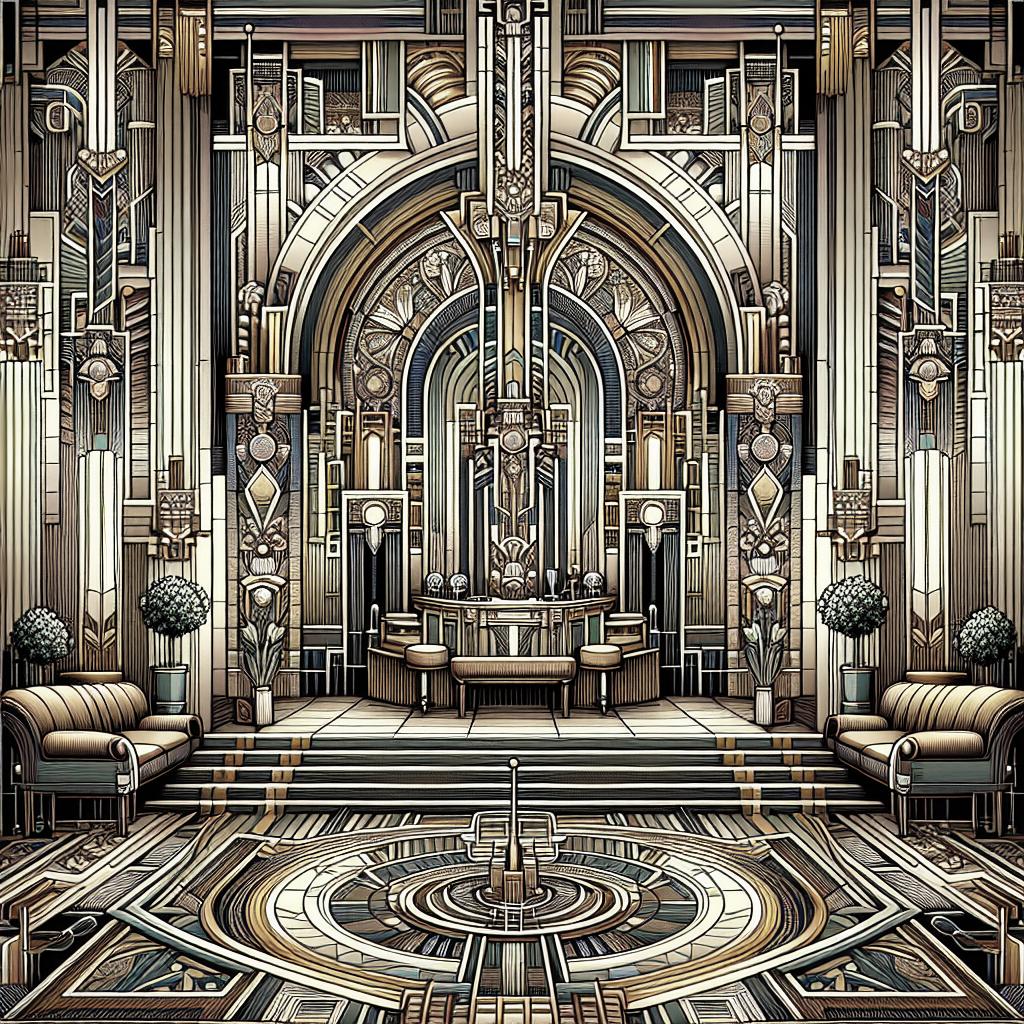
As a captivating blend of luxury, modernism, and intricate craftsmanship, Art Deco interior design emerged as a dominant style in the early 20th century. This artistic movement beautifully encapsulated the spirit of innovation and elegance, combining bold geometrical patterns, rich colors, and lavish ornamentation. In this blog post, we delve into the fascinating world of Art Deco interior design. We begin by exploring its origins and cultural significance before diving into the defining characteristics that make this style uniquely alluring. By examining various examples of Art Deco interiors, we gain insight into the elements that embody its extravagance and timeless appeal. Finally, we provide practical tips for those aspiring to infuse their homes with the glamour and sophistication of Art Deco design, illustrating how you can create a space that reflects this iconic style. Whether you are drawn to its bold artistic elements or its historical richness, Art Deco offers endless inspiration for creating interiors that captivate and inspire. ### What is Art Deco Interior Design? Art Deco interior design, a style that first flourished in the 1920s and 1930s, is known for its distinctive aesthetic that combines elegance with modernity. Emerging in reaction to the austere principles of its predecessor, Art Nouveau, Art Deco reflected the optimism and progress of the post-World War I era. Influenced by new technologies and the lavish roaring twenties, Art Deco interiors emphasized lavishness and a decorative yet streamlined form. This design movement originated in France and quickly spread across Europe and America, making its mark in architecture, fashion, and, most notably, interior design. More than just a visual style, Art Deco reflected the social and political climate of its time. The enthusiasm for industrial advancement and luxury influenced designers to incorporate materials like chrome, glass, and exotic woods into their work. This style represented an era of glamor and prosperity, where experimental designs were encouraged, and craftsmanship was celebrated. The influences of Cubism, Futurism, and the machine age are evident in Art Deco’s sharp lines and symmetrical patterns, anchoring this style as both functional and decorative. ### Defining Elements and Characteristics of Art Deco Interior Design Perhaps the most defining characteristic of Art Deco interior design is its use of geometric shapes and bold patterns. Zigzags, chevrons, and streamlined forms dominate this style, reflecting a fascination with progress and modernity. These patterns are often repeated in floor tiles, wallpapers, and upholstery, creating a cohesive and structured look that is both dynamic and artistic. Color palettes in Art Deco interiors are rich and daring, often featuring deep greens, blues, and blacks, complemented by metallic accents like gold, silver, and chrome. This use of color adds a sense of luxury and drama, creating a sophisticated atmosphere. Reflective surfaces, such as mirrored furniture and glass fixtures, are used to enhance natural light and evoke a sense of opulence. Materials play a crucial role in Art Deco design. The use of exotic woods, stainless steel, lacquer, and inlaid woodwork showcases the era’s dedication to fine craftsmanship and quality. Marble and onyx are common choices for flooring and fireplace surrounds, while richly upholstered furniture in velvet or leather adds a layer of comfort and elegance. The combination of these elements results in an interior that feels both rich and refined, perfectly embodying the spirit of the Art Deco period. ### Examples of Art Deco Interior Design Numerous iconic buildings and homes exemplify the essence of Art Deco interior design, displaying the style’s hallmark characteristics in stunning detail. The Chrysler Building in New York City is an architectural masterpiece that mirrors Art Deco’s architectural influence inside and out. Its interiors boast sleek lighting fixtures, custom-made furniture, and intricate floor tiles that repeat geometric motifs synonymous with this style. Residences that embrace Art Deco design often feature grand entryways with intricately designed foyers, showcasing wide staircases and elaborate moldings. In private homes, living rooms serve as the centerpiece for entertainment and relaxation, adorned with plush sofas, mirrored console tables, and attention-grabbing art pieces. Each room flows with a harmony of color and shape, making the space feel cohesive and luxurious. Hotels are another excellent example of Art Deco’s appeal. The Savoy Hotel in London is celebrated for its sophisticated Art Deco interiors that feature opulent chandeliers, rich textiles, and lavish decorative motifs. These public spaces demonstrate how Art Deco can evoke both glamour and warmth, creating inviting environments that stand the test of time. ### How to Achieve Art Deco Interiors in Your House To bring the Art Deco aesthetic into your home, start by focusing on the overall color scheme. Opt for rich, saturated colors like emerald green, royal blue, or ruby red paired with metallic accents to create an atmospheric backdrop. Introduce geometric patterns through wallpaper, rugs, or textiles that echo the iconic motifs of the era. Don’t shy away from bold prints and contrasting colors, as they serve as a key element in achieving an Art Deco look. Furniture selection is crucial for an authentic Art Deco interior. Choose pieces that emphasize both form and function, such as a streamlined sofa with luxurious upholstery or a sleek dining table with high-gloss finishes. Mirrors and glass elements play an important role in creating a sense of openness and reflection, while lighting fixtures with chrome or brass accents add to the overall glamor. Accessorize your Art Deco interior by incorporating period-inspired pieces like vintage clocks, sculptures, and art prints. These accessories not only enhance the thematic consistency but also add an element of personal taste and historic reverence. By carefully combining these elements, you can transform your space into a striking Art Deco masterpiece that reflects the charm and elegance of a bygone era. ### Summary of Main Points | Key Elements | Details | |————————————-|—————————————————————————————–| | What is Art Deco Interior Design? | Emerged in the 1920s, characterized by luxury, modernity, originating in France. | | Defining Characteristics | Geometric patterns, rich colors, exotic materials, quality craftsmanship. | | Examples | Chrysler Building, The Savoy Hotel, private residences showcasing lavish interiors. | | Achieving Art Deco at Home | Emphasize color schemes, use geometric patterns, sleek furniture, period accessories. | This exploration of Art Deco interior design provides an understanding of its rich history and characteristics, offering inspiration for bringing this timeless style into contemporary homes. Whether you are inspired by its bold aesthetics or its historical significance, Art Deco remains an enduring symbol of elegance and innovation.