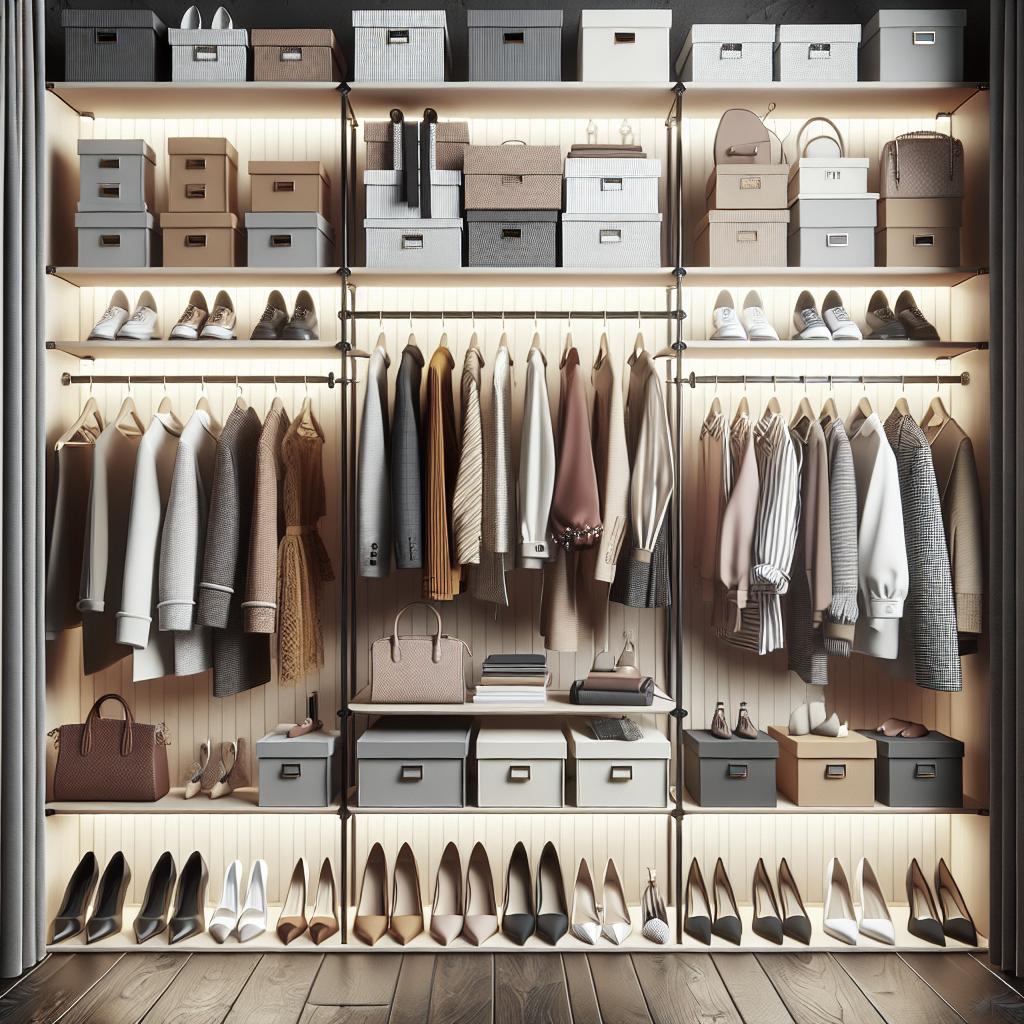
Organizing a small closet can be a daunting task, especially when you’re trying to find a balance between style and functionality. Whether you’re managing a compact wardrobe in a petite apartment or simply have too many clothes for your storage space, a well-organized closet can make your day-to-day life much smoother and more enjoyable. In this guide, we dive deep into strategies to transform your compact closet into a stylish, efficient space. From decluttering and identifying the closet’s functionality to fixing storage systems and maximizing every inch available, this blog post presents actionable advice to achieve a clutter-free and aesthetically pleasing wardrobe. Additionally, we delve into solutions for when you have too many clothes and address frequently asked questions, aiming to make your closet organization journey as seamless as possible. By the end, you’ll be equipped with the knowledge to maintain an organized closet that reflects your personal style. ## Organizing a Small Closet Step by Step Organizing a small closet might seem like a herculean task, yet breaking it down step by step can make it manageable. The first step typically involves a thorough evaluation of the items already residing in your closet. Take inventory, which allows you to see what you frequently wear versus what just takes up space. This is essential to knowing not only what you have but also what you need to create a functional and organized closet. Once you have a handle on what’s inside your closet, the goal is to consider how these items are stored. Do some areas feel crammed while others seem underutilized? Take note of these zones because they highlight the need to redistribute storage space to maximize efficiency. The aim is to go beyond traditional hanging and shelving, employing creative storage solutions that can add layers of functionality to your space. ## 1. Declutter as much as possible. Decluttering is the cornerstone of organizing any space, especially in a small closet. Start by removing everything and laying it out where you can see each item individually. This approach not only facilitates a thorough review but also helps you understand how much space each piece consumes. Employ the guiding principle of keeping only what you love and frequently use. As you sift through your clothes, categorize them into three groups: keep, donate, and discard. Be ruthless in your decision-making; if you haven’t worn a piece in over a year, it might be time to let it go. This step is not just about disposal but about retaining items that add value to your daily life, thus freeing up space and making your closet more functional. Once sorted, consider seasonal adjustments. Perhaps store off-season clothing in separate bins or vacuum-sealed bags, enabling smoother access to your current season wearables. This not only declutters but also streamlines your closet’s immediate usability. ## 2. Make a list of what you need your space to do, and then pick the tools to make it work. After decluttering, assess your lifestyle needs and the primary functions of your closet. Are you storing workwear, casual outfits, or evening attire? Each category might demand different storage solutions, ranging from hangers and shelves to drawers and just wall hooks. Listing out these needs can guide your organizational strategy immensely. Once you understand what your closet needs to do, research and select the tools and systems that can facilitate these functions effectively. Slim hangers can create more hanging space, while stackable storage bins or clear boxes can keep small items visible and accessible. Consider tools that vanish clutter but give a neat, orderly look, such as velvet-lined compartments for accessories or divided shelves for shoes. Invest in a few organizing tools that suit your specific needs. Even in small closets, utilizing the right tools can amplify organization and transform the space from cluttered to chic. This is the stage where you define storage systems that align perfectly with your daily routines. ## 3. Fix broken systems. Sometimes the existing organizational system in your small closet might be what’s contributing to the chaos. The sturdy shelf that sags in the middle, the rail that can barely hold the weight of the clothing—all these are signs that your current systems need a fix. Take note of any system that’s broken or ineffective and plan to repair or upgrade them. Consider refitting your closet with modular systems like adjustable shelving and hanging units that offer customizable storage solutions. The goal is to create a flexible environment that can adapt to changing storage needs. For those who rent, adhesive hooks and removable shelving can provide expandable solutions without permanent alterations. By fixing broken systems, your closet transforms into a stronger, more reliable space. You can maintain its organization for the long term, which is key to avoiding clutter buildup in the future. Don’t shy away from investing in quality solutions for long-lasting results. ## 4. Utilize the whole space. In compact spaces, every inch counts. Look beyond the usual four walls of the closet to maximize storage. The inside of the closet door, for example, can be an excellent location for hooks to hang scarves, ties, or belts. Similarly, higher shelves can afford storage space for items less frequently used, while the lower area under hanging clothes can contain shoe racks or storage bins. Stackable storage solutions can create vertical space, a smart strategy for maximizing compact areas. Use spacers or shelf dividers to multiply shelving space without adding unnecessary clutter. Even simple tricks, like placing a tension rod between two walls, can double the hanging space underneath existing racks. Experiment with various configurations until you find one that not only accommodates all necessary items but also maintains a stylistic and practical approach to closet organization. Remember the mantra: look at every surface as an opportunity for enhancement. ## What to Do If You Have Too Many Clothes for Your Small Closet If your clothing collection exceeds available closet space, it’s time to consider creative storage alternatives. Start by using multi-functional furniture, like under-bed storage drawers or a bed with built-in storage for lesser-used items. These alternatives allow you to maintain easy access to all your clothes without overcrowding your closet. You might also consider a seasonal wardrobe rotation system. Store away the clothes you’re not currently using and make them easily accessible when the season changes. Vacuum-sealed bags and stackable plastic tubs can keep your clothes fresh while not in use. This not only alleviates the pressing space issue but also facilitates an organized, tidy closet that only displays the clothes relevant to the current season. Additionally, evaluate whether you can downsize further. Consolidating to a wardrobe you truly love can open up space and reduce the stress of maintaining more items than your closet can handle. This enables you to focus on owning pieces that bring you joy and work well together. ## Small Closet Organization: Frequently Asked Questions When organizing a small closet, common questions often arise regarding the use of space and maintaining organization long-term. One frequent query is, “How can I maximize hanging space?” Solutions include adding a second railing below the first for short items like shirts and blouses, thereby doubling your hanging capacity. Another prevalent question involves maintaining order. The key is consistency—stick to your system once it’s in place. Use garment bags or organizers for off-season attire and designate specific spots for each type of item. Regularly review and reassess your organization strategy, particularly when you accumulate new clothes or accessories. Another query often heard is about the best way to store accessories in a small space. Explore hanging organizers that can be hung over doors or inside the closet and invest in small drawer organizers to keep items like jewelry, watches, and ties neatly arranged. ### More Closet Organization Ideas. Beyond basic organization, feel free to incorporate unique ideas that personalize your closet space. Consider color-coding your garments or arranging them by type (e.g., work, casual, formal) to streamline your selection process. This strategy not only saves time but also adds a harmonious aesthetic to your closet. Moreover, utilizing lighting creatively can refresh a small space. Use adhesive LED lights under shelves or battery-operated lamps to illuminate your closet, making it easier to find clothes and accessories while adding a touch of luxury. Choose a cohesive color palette for bins, hangers, and shelving for an unbroken line of design that reflects your personal style. Finally, incorporate hooks and pegs for adaptability. They can hold bags, hats, or even act as hangers for outfits in planning, providing flexibility that suits your styling needs. Simple installations like these can make a dramatic stylistic impact while enhancing the functional capacity of your closet. ## Future Prospects To encapsulate your efforts in organizing a small closet, the following table summarizes the main strategies covered: “`html
| Step | Description |
|---|---|
| Declutter | Remove all items, and categorize into keep, donate, and discard to free up space. |
| Identify Needs | Determine your closet functionality and select the appropriate tools to support those functions. |
| Repair Systems | Fix or upgrade broken storage systems for increased reliability and adaptability. |
| Maximize Space | Utilize every part of the closet, employing vertical stacking and hidden spaces efficiently. |
| External Solutions | Implement furniture storage and rotation systems for excess clothing. |
| Maintenance | Consistent evaluation and adaptation to uphold organization and address evolving wardrobe needs. |
“` The journey to a perfectly organized small closet is about creating a space that not only reflects personal style but also simplifies daily life. By following these actionable strategies, you can harness every inch for enhanced functionality, making your closet an asset rather than an afterthought. This approach can inspire a lifestyle that values minimalism, efficiency, and personal expression through smart organization and stylish living.