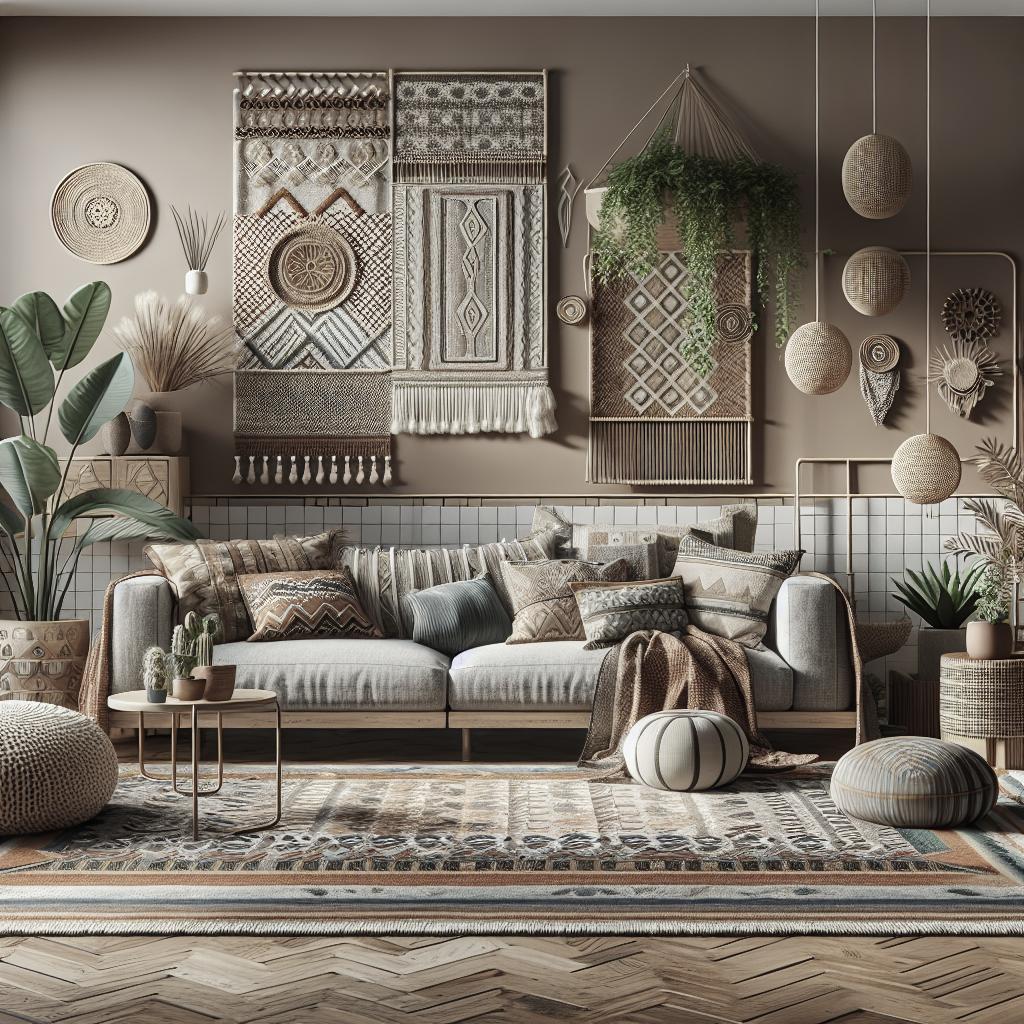
Embracing Eco-Friendly Home Design: Key Trends to Watch As awareness of environmental issues continues to grow, so does the demand for eco-friendly home designs that minimize environmental impact while promoting health and well-being. Recent trends in sustainable home architecture and interior design focus not only on energy efficiency and reducing carbon footprints but also on enhancing the connection between indoor and outdoor environments. This blog post delves into seven prominent trends shaping eco-friendly home design today, including biophilic design, the use of sustainable materials, smart window coverings, adaptive reuse strategies, passive design concepts, low-VOC and natural paints, and water conservation features. These elements not only contribute to a more sustainable living space but also enhance the overall quality of life for residents by promoting a harmonious and thoughtful interaction with the natural environment. Biophilic Design Biophilic design incorporates natural elements into home interiors to foster a deeper connection between residents and the natural world. This approach can manifest through the integration of natural materials, such as wood, stone, and plants, into living spaces. By creating a built environment that feels interconnected with nature, biophilic design enhances not only physical environments but also psychological well-being. One of the primary benefits of biophilic design is its ability to reduce stress and increase overall happiness. Studies have shown that exposure to nature can lead to decreased levels of cortisol, a stress hormone, and an increase in serotonin, which promotes feelings of happiness. Homes that feature indoor gardens, green walls, or expansive views of nature contribute to these positive effects, making them popular among eco-conscious homeowners. Sustainable Materials Sustainable materials are at the forefront of eco-friendly home design, focusing on reducing the environmental impact of construction and furnishing. Materials such as recycled steel, bamboo, cork, and reclaimed wood are increasingly used for construction and interior decoration, offering durable and aesthetically pleasing alternatives to traditional materials. Using locally sourced materials not only supports local economies but also reduces transportation emissions, making homes even more eco-friendly. By selecting materials that have a smaller carbon footprint and are produced with sustainable practices, designers contribute to maintaining ecological balance while supporting emerging green industries. Smart Window Coverings Smart window coverings are an innovative trend in eco-friendly home design, combining technology with sustainability. These window treatments can be automated to optimize natural light and reduce the need for artificial lighting, thus saving energy. Smart curtains and blinds can be programmed to adjust according to the time of day or changes in weather, helping to regulate indoor temperatures and reduce heating and cooling costs. In addition to energy savings, smart window coverings can improve comfort and convenience for homeowners. By integrating with home automation systems, they provide easy control through smartphones or voice-activated assistants, enhancing the user experience while keeping energy consumption in check. Adaptive Reuse Adaptive reuse is an eco-friendly design approach that involves repurposing existing buildings or materials for new uses. This strategy not only preserves historical architecture but also reduces the demand for new construction materials, minimizing waste and conserving resources. Converting old factories into modern loft apartments or turning shipping containers into living spaces are examples of adaptive reuse. By giving new life to old structures, adaptive reuse supports sustainability by extending the life cycle of buildings and reducing the environmental impact associated with demolition and new construction. This practice is gaining traction, as more people appreciate the unique charm and history that repurposed homes can offer. Passive Design Strategies Passive design strategies prioritize energy efficiency by maximizing natural light, ventilation, and insulation to reduce reliance on artificial heating and cooling systems. Homes designed with passive strategies often feature strategically oriented windows, effective insulation, and thermal mass materials to maintain comfortable temperatures year-round. The emphasis on passive solar design allows homes to naturally collect, store, and distribute solar energy without the need for mechanical systems. By relying on the natural environment for warmth and light, passive design not only cuts down energy consumption but also significantly reduces greenhouse gas emissions, aligning with the goals of sustainable development. Low-VOC and Natural Paints Low-VOC (volatile organic compound) and natural paints are becoming a staple in eco-friendly home design due to their reduced impact on indoor air quality. Traditional paints can release harmful chemicals into the air, contributing to indoor pollution and health issues. In contrast, low-VOC paints minimize these emissions, providing a healthier indoor environment for residents. Natural paints, made from plant-based ingredients and minerals, offer an even greener alternative by eliminating chemical pollutants altogether. These paints are not only safer for humans but are also friendly to the environment, as they are biodegradable and derived from renewable resources. As awareness of the potential risks associated with VOCs grows, more homeowners are choosing low-VOC and natural paints to ensure a safer living environment. Water Conservation Features Water conservation features are an essential aspect of eco-friendly home design, aiming to reduce water waste and promote efficient use of this precious resource. Technologies such as rainwater harvesting systems, greywater recycling, and low-flow fixtures have gained popularity for their ability to conserve water in residential settings. Rainwater harvesting systems collect and store rainwater for uses such as irrigation or flushing toilets, effectively reducing the demand on municipal water supplies. Meanwhile, greywater recycling systems treat and reuse wastewater from sinks, showers, and laundry, which can be repurposed for non-potable applications. The installation of low-flow fixtures—such as faucets, showers, and toilets—further contributes to water conservation, enabling homeowners to use water more judiciously and save on utility bills. The demand for eco-friendly home design solutions is increasing as individuals become more environmentally conscious and seek ways to reduce their ecological footprint. By integrating trends such as biophilic design, sustainable materials, smart window coverings, adaptive reuse, passive design strategies, low-VOC and natural paints, and water conservation features, homeowners can create sustainable and healthy living environments that benefit both people and the planet. “`html
| Trend | Description | Benefits |
|---|---|---|
| Biophilic Design | Incorporates natural elements to enhance connection with nature | Improves mental well-being; reduces stress |
| Sustainable Materials | Uses eco-friendly materials like bamboo and recycled wood | Reduces carbon footprint; supports local economies |
| Smart Window Coverings | Automated window treatments to optimize light and energy use | Saves energy; enhances comfort and convenience |
| Adaptive Reuse | Repurposes existing structures for new uses | Conserves resources; preserves architectural history |
| Passive Design Strategies | Maximizes natural light/ventilation to reduce energy use | Cuts energy consumption; reduces greenhouse emissions |
| Low-VOC and Natural Paints | Uses paints with minimal or no volatile organic compounds | Improves indoor air quality; environmentally friendly |
| Water Conservation Features | Incorporates systems like rainwater harvesting | Conserves water; lowers utility costs |
“`