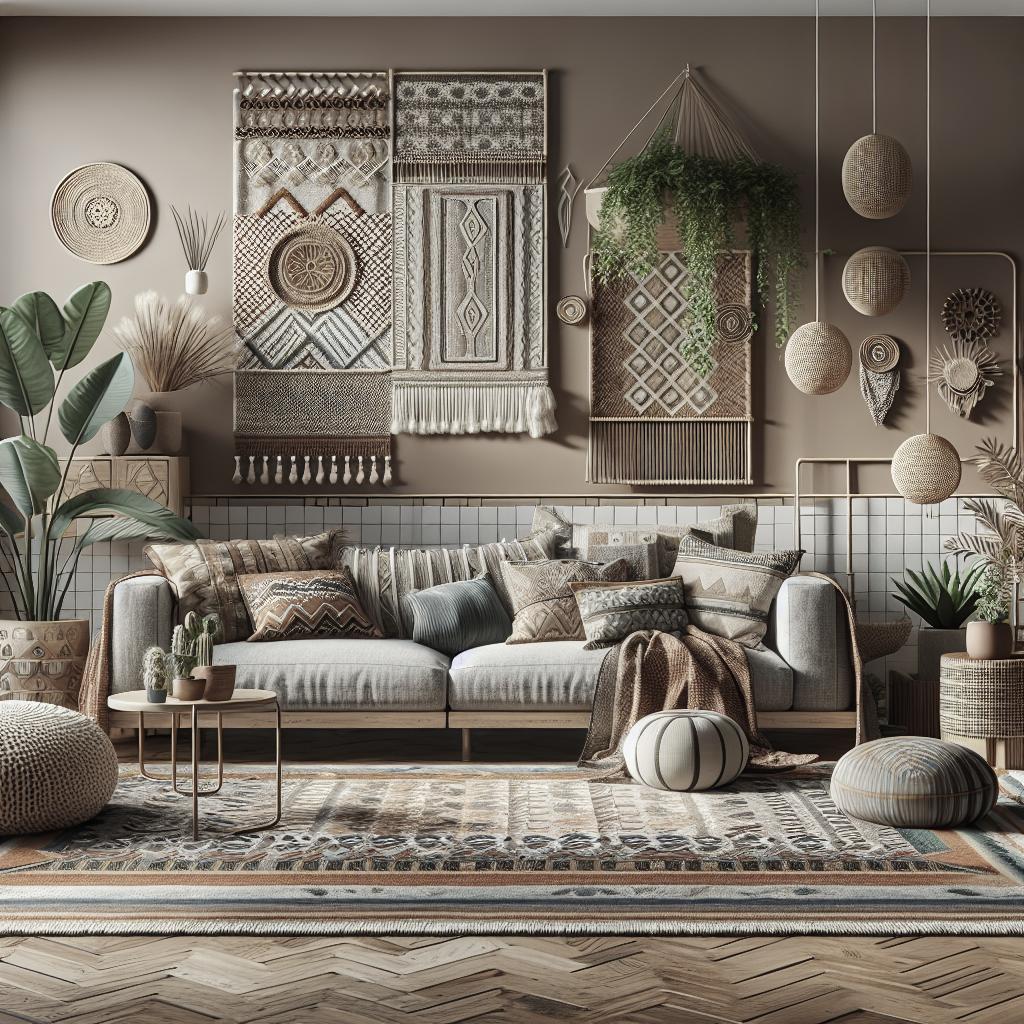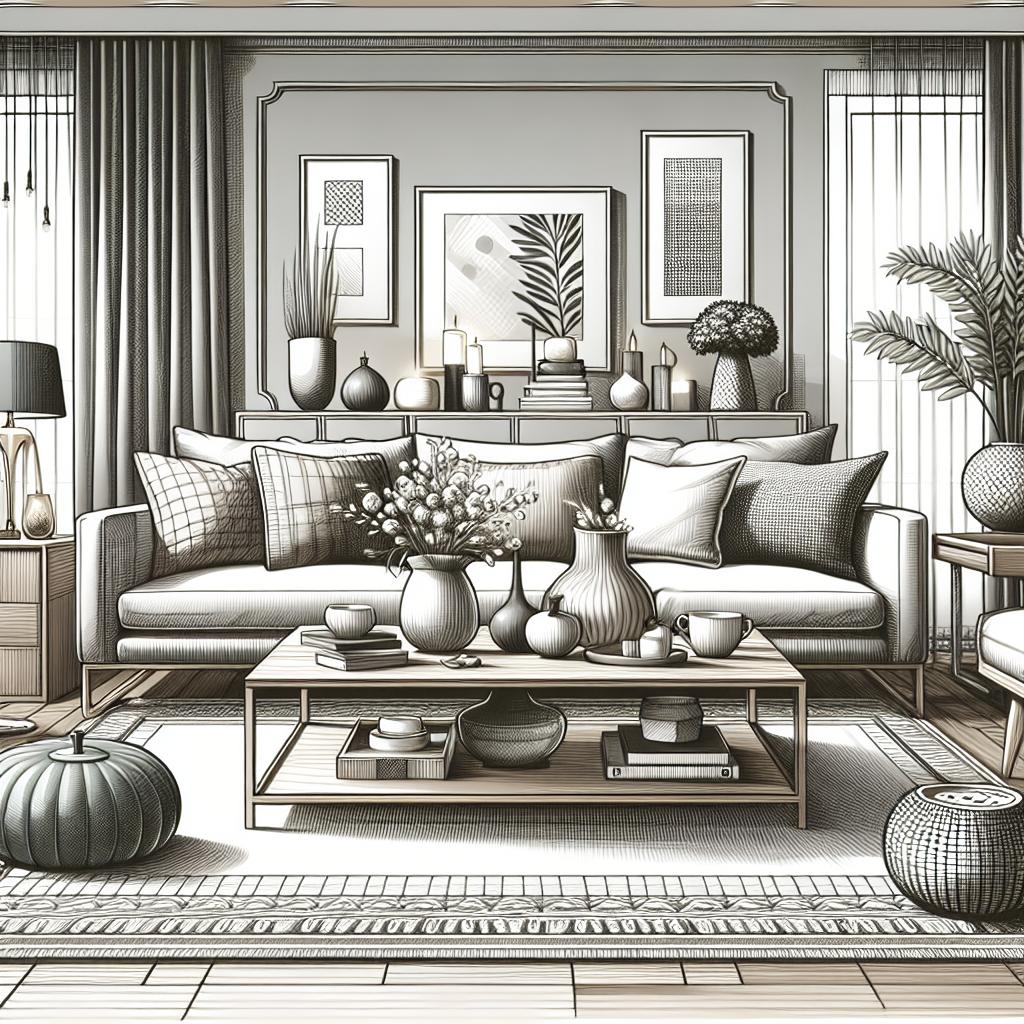
### Tips for Choosing Cohesive Decor Elements Choosing cohesive decor elements is a crucial aspect of interior design that can transform a house into a thoughtful, expressive home. Creating a harmonious look involves balancing colors, textures, and styles to reflect a personal aesthetic that flows seamlessly from room to room. Whether inspired by renowned designers or your own unique tastes, cohesive decor can enhance the ambiance of your living spaces, making them feel both welcoming and visually appealing. This article will delve into insightful interior design ideas from celebrated designers, offer practical tips on creating a style board, and provide guidance on maintaining consistency in your decor choices. Get ready to explore creative, harmonious design strategies from leading design professionals and learn how to apply them to your own home to achieve a beautiful, unified look. ### Interior Design Ideas From Claire Zinnecker Claire Zinnecker is known for her minimalist yet warmly inviting interiors that expertly blend vintage charm with modern styles. Her approach often incorporates natural elements, such as wood and stone, to create a comforting, grounded aesthetic. Claire advises starting with a neutral palette as a base, which allows for flexibility and layering of textures and accents. This strategy forms a harmonious backdrop that can accommodate pops of color through accessories or artwork, making it easier to switch up decor without losing cohesion. Zinnecker also emphasizes the importance of personal pieces that tell a story or hold sentimental value, integrating them thoughtfully into the overall design. These items not only add character but also ensure that the space reflects the owner’s personality. Claire suggests using these personal elements sparingly and complementing them with more subdued, universal design pieces to maintain balance. Texture plays a pivotal role in Claire’s design philosophy. She often blends soft textiles with more robust materials, such as metal or glass, to add depth and interest. This juxtaposition of tactile elements invites a multisensory experience, making a space feel complete and layered rather than flat and one-dimensional. ### Interior Design Ideas From Shannon Eddings Shannon Eddings is celebrated for her eclectic style, combining bold patterns and diverse motifs to create vibrant, lively spaces. Her approach is particularly useful for those looking to inject personality and flair into their home decor without veering into chaos. Shannon’s key strategy is to choose a dominant motif or theme around which other patterns and styles can revolve, ensuring that all elements coalesce into a singular narrative. Eddings advocates for the strategic use of color to unify spaces, recommending the use of a consistent color palette throughout the home. This approach doesn’t mean sticking to a single color; rather, it’s about choosing complementary shades that work together, allowing distinct rooms to retain individuality while still connecting to the whole. Layering is another cornerstone of Eddings’ design process, involving the thoughtful placement of various decor items to create dimension. Shannon suggests starting with larger anchoring pieces and building upon them with smaller decorative elements that echo or contrast the base themes. This methodical layering leads to visually rich spaces that feel thoughtfully designed and curated. ### Interior Design Ideas From Caitlin Murray Caitlin Murray’s design work is synonymous with bold choices and imaginative design solutions. She is known for her ability to mix unexpected elements—think high-gloss finishes juxtaposed with rustic textures—to create visually striking yet cohesive compositions. Caitlin often plays with scale, using oversized art or unique statement furniture to impart a sense of drama and joy into her designs. Murray urges homeowners to be daring with their decor selections, encouraging them to incorporate elements that resonate personally, even if they appear unconventional at first glance. The challenge lies in finding the right balance between these adventurous choices and more traditional, grounding pieces. Caitlin emphasizes that the key to cohesion in this context is repetition—whether through pattern, color, or form—to weave together disparate elements. In terms of materials, Caitlin often suggests embracing both luxury and simplicity for maximum impact. For instance, combining sumptuous fabrics with industrial metals can offer an alluring contrast that feels both sophisticated and inviting. Such combinations are indicative of Caitlin’s design ethos, which celebrates innovation and personal expression while maintaining an elegant, cohesive finish. #### Interior Design Ideas From Caitlin Flemming Caitlin Flemming’s design methodology revolves around creating timeless spaces that embody calm and serenity. Her focus is on creating environments that foster relaxation and peace, often through the use of muted colors and natural materials. Flemming believes in the power of subtlety, preferring whispering neutrals and soft pastels that promote tranquility and cohesion. Natural significance is central to Flemming’s work, as she encourages incorporating elements from nature, such as plants or earth-toned textiles, to bring the outdoors in. This connection to nature helps ground the space and offers a comforting continuity with the world beyond. Flemming’s design philosophy also underscores the importance of multifunctionality in decorative elements. For example, furniture with hidden storage can serve dual purposes, offering both utility and style while contributing to an uncluttered, cohesive environment. #### Interior Design Ideas From Caitlin McCarthy Caitlin McCarthy excels in creating sophisticated, modern interiors that speak to contemporary aesthetics while nodding to timeless classics. Her design process usually begins by drawing inspiration from the architectural details of the space itself, allowing its inherent character to inform the decor choices. McCarthy emphasizes the importance of edited, purposeful selections. She advises using fewer pieces but ensuring they are impactful and aligned with a cohesive vision. This approach prevents clutter and maintains focus on the statement pieces that define a space. Texture and pattern are fundamental to McCarthy’s designs. She skillfully combines various textiles, such as velvet and linen, or hides and plush carpets, to create a tactile landscape that invites interaction. McCarthy’s method of marrying disparate styles through consistent textural palettes results in a polished, unified aesthetic that feels both modern and timeless. ### Creating a Style Board for Our New Home! A style board is an invaluable tool for visualizing how different decor elements will coalesce in your home. Start by selecting a color palette that resonates with you, ensuring it accommodates various shades to create depth and diversity. Add images of furniture and decor pieces you’re interested in alongside swatches of fabrics and materials. To capture the overall vibe you want for each room, include inspirational photos that reflect your desired aesthetics. These visuals could range from entire room settings to individual decor items. Arranging these elements together on your style board helps you see how well they complement each other and whether they communicate a harmonious narrative. Digital resources like Pinterest or Canva can be used to make online style boards, offering the flexibility to easily swap elements and try new ideas. Creating a physical mood board adds a tactile dimension, allowing for a different sort of interaction with the elements. Regardless of medium, your style board serves as a comprehensive visual guide for maintaining cohesion throughout your design journey. ### My Top Tips to Create a Cohesive Style for Your Home Firstly, find a central theme or aesthetic that speaks to you—be it modern minimalist, bohemian, or vintage eclectic. This central theme will act as a guidepost. From there, choose a color scheme that echoes the mood of your chosen style, applying it consistently throughout your decor elements to achieve visual symmetry. When it comes to materials and textures, play with layers but aim for balance. Mix hard and soft textures, and include both matte and glossy finishes for visual interest. Introducing varied textures while sticking to your primary color scheme aids in creating layered yet unified spaces. Lastly, repetition is vital in maintaining cohesion. Repetition of colors, shapes, and styles across different rooms creates a rhythm as you transition from one space to another. By repeating key elements, you lend your home a harmonious flow and uniformity, making it feel not just decorated, but beautifully designed with care and intention. ### Be Sure to Check Out These Other Posts for More Design Inspiration! For further inspiration beyond the tips presented here, consider exploring more in-depth insights from leading designers on mixing and matching styles or trending decor ideas: 1. “The Power of Color: How to Pick the Right Palette for Your Home.” 2. “Revolutionize Your Interiors: A Beginner’s Guide to Layering Textures.” 3. “Maximizing Small Spaces: Clever Design Hacks That Make a Difference.” 4. “How to Use Art as the Focal Point in Home Decor.” These resources can offer fresh perspectives and additional strategies to help you refine your home’s decor, ensuring each element contributes to a cohesive and inviting ambiance. — ### Lessons Learned | Designer | Key Focus | Design Strategies | |—————————|————————————————|———————————————————————-| | Claire Zinnecker | Vintage-modern blend, texture | Neutral base, personal elements, texture mix | | Shannon Eddings | Eclectic style, color consistency | Dominant motif, strategic color use, layering | | Caitlin Murray | Bold choices, imaginative solutions | Balance adventurous elements, luxury-simplicity balance | | Caitlin Flemming | Serenity, timelessness | Muted colors, natural elements, multifunctional decor | | Caitlin McCarthy | Sophisticated modernity, architectural details | Edited selections, textural pattern mix | These lessons from esteemed interior designers illustrate the variety of ways cohesive decor elements can be chosen to create a harmonious home environment. By understanding and applying these strategies, your home can reflect a unified aesthetic that resonates with your personal style.