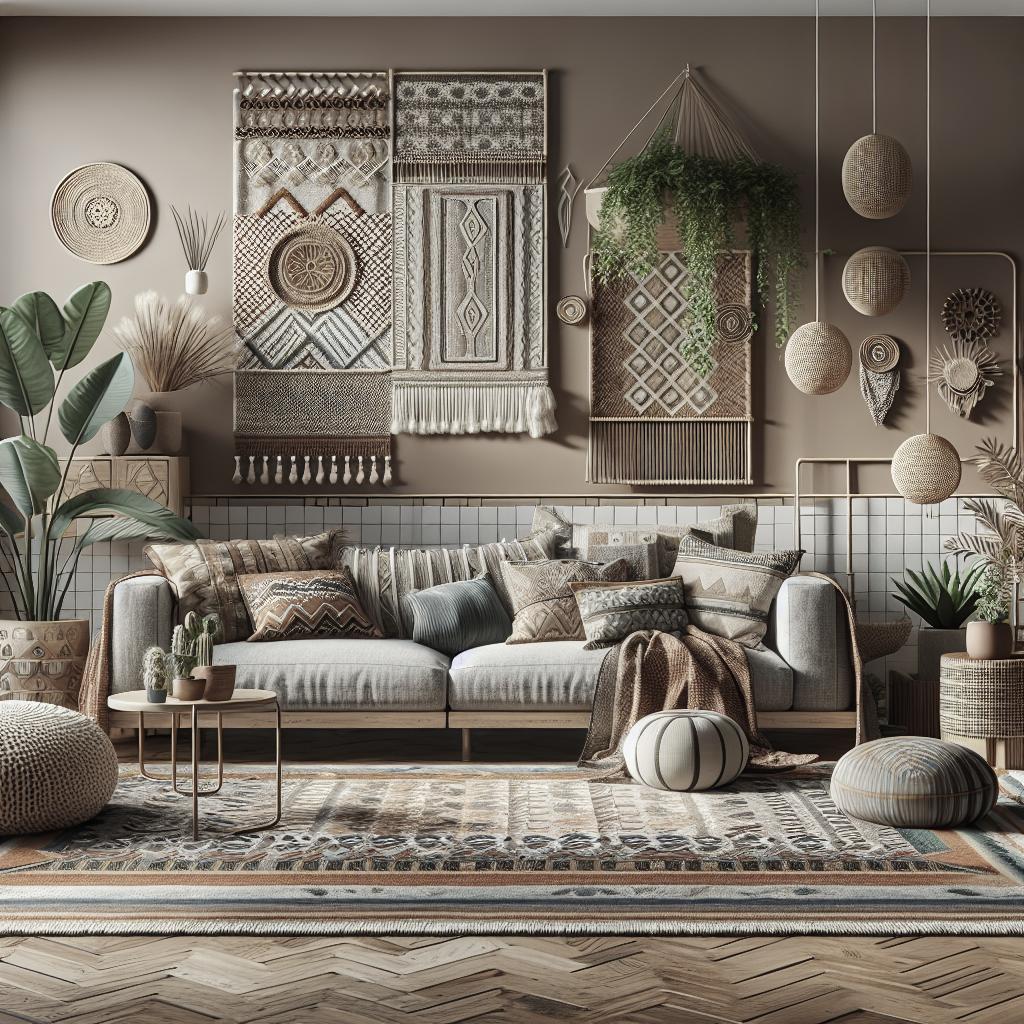
Creating a seamless indoor-outdoor transition in your home is a trend that has gained significant popularity in contemporary design. It allows for a fluid living experience, merging the comfort of indoor spaces with the refreshing allure of the outdoors. Such a design approach not only enhances aesthetic appeal but also boosts functionality, offering a harmonious environment for relaxing, entertaining, or simply enjoying the beauty of nature. In this comprehensive guide, we will explore the key aspects of crafting a unified living space, from assessing your current indoor and outdoor areas to embracing nature’s elements in your design. With thoughtfully chosen components and careful planning, you can create an inviting and cohesive extension of your living space that blurs the boundaries between indoor and outdoor settings, offering an enriched lifestyle experience year-round. ### Assess Both Living Spaces Before making any alterations, it’s crucial to assess both your indoor and outdoor spaces. Start by evaluating the indoor layout, paying attention to the areas closest to outdoor access points. Consider the size and functionality of these spaces and how they currently serve your needs. Are the indoor areas flexible enough to accommodate a natural extension outdoors? Similarly, examine the outdoor space, considering factors such as dimension, layout, landscaping, and existing features. Identify the strengths and limitations of the outdoor areas, and visualize how they can complement the indoor space. Assess features like patios, decks, or gardens, and consider how these can be integrated into a comprehensive design plan. ### Complementary Design Elements To create a seamless transition, your indoor and outdoor spaces should share complementary design elements. Start by choosing a consistent color palette that flows between the two areas. Matching or harmonizing colors can create a visual connection, making spaces feel intertwined. Materials play a vital role in the transition. Use similar or complementary materials, such as wood, stone, or tile, to bridge the indoor and outdoor environments. For example, an indoor wood floor that extends to a wooden deck creates a consistent visual line that draws the eye from one space to the other. ### Maximize Natural Light Natural light is key in creating a fluid connection between indoor and outdoor spaces. Maximize windows, skylights, and glass doors to flood interiors with daylight, enhancing the sense of openness and inviting the outside in. Large glass panes or sliding glass doors that open widely can effectively unify the spaces. Consider the orientation of your home and placement of windows and doors to make the most of the sun’s path, helping to naturally illuminate and warm your interiors. This approach not only strengthens the indoor-outdoor link but also contributes to an energy-efficient home. ### Incorporate Transitional Doorways Transitional doorways are a critical component of seamless indoor-outdoor spaces. Opt for wide, or collapsible doors like bifold or sliding doors, which can completely open up a wall to the outside, removing any barriers and facilitating free movement between spaces. The threshold between interiors and exteriors should be minimal. Consider flush thresholds that prevent tripping and maintain a continuous flow from one space to the other. The door material should also match or complement surrounding finishes, ensuring a cohesive look. ### Build Outdoor Rooms Creating designated outdoor rooms can expand your living space considerably. Think of your outdoor areas as extensions of your indoor rooms, complete with furniture and décor that align with indoor aesthetics. Areas like dining patios, lounge spaces, or outdoor kitchens can serve as functional outdoor rooms. Define these rooms by incorporating elements like pergolas, outdoor rugs, or strategically placed plants which not only mark boundaries but also provide shade and enhance comfort, making outdoor living areas more inviting. ### Draw the Outdoors In The easiest way to merge indoor and outdoor spaces is by incorporating natural elements into interior design. Use potted plants, decorative stones, or water features indoors to create a continuous theme across both spaces. Biophilic design, which integrates natural elements, can significantly enhance the sense of connection to the outdoors. Textures and materials that mimic those found outside, such as stone or wood elements in interiors, can further blur the line between inside and outside. These features foster a sense of nature within the home, enriching the overall aesthetic and experience. ### Flexible Furnishings Flexible furnishings that can be used both indoors and outdoors support seamless transitions. Choose furniture made from durable materials like teak, metal, or all-weather wicker that withstands outdoor conditions but can also complement indoor décor. Opt for modular furniture pieces that can be rearranged to serve different functions and accommodate varying numbers of guests. Portable pieces like poufs, stools, or benches can easily transition from indoor settings to outdoor gatherings, offering versatility and style. ### Mind the Views Unobstructed views are crucial in creating a seamless indoor-outdoor experience. Ensure that windows and doors offer clear, undisturbed views of your outdoor spaces, inviting the outside in and enriching the interior ambiance. Landscape design plays an essential role in this aspect. Arrange plants and outdoor elements to frame and enhance views, creating a sense of depth and interest that connects with the indoor environment and draws the eye outward. ### Extend Living Outward Extend indoor comforts to the outdoors by incorporating amenities that enhance outdoor living. Features like heating, cooling, and lighting can significantly boost the usability of outdoor spaces, ensuring comfort all year round. Integrate outdoor entertainment systems, such as speakers or projectors, to create an inviting area for relaxation and social gatherings. Fireplaces or fire pits can also add warmth and charm, transforming outdoor areas into comfortable retreats that mirror indoor coziness. ### Embrace the Elements Embrace natural elements like wind, water, and foliage to create an authentic and harmonious outdoor environment. Consider installing water features such as fountains or ponds, which add soothing sounds and visual interest, enhancing the sense of tranquility. Incorporate wind chimes, trellises, or climbing plants that interact with the breeze, adding movement and texture to the outdoor space. Such elements can improve the sensory experience and further the connection between indoor and outdoor areas. ### Light the Way Thoughtful lighting design can highlight connections between indoor and outdoor spaces. Use outdoor lighting fixtures such as lanterns, LED strips, or pathway lights to ensure safe passage and accentuate key features. Blend indoor and outdoor lights by using similar styles or finishes, ensuring a visually cohesive transition. Consider the use of dimmers or smart lighting systems that allow for flexibility and control over ambiance, adapting to different activities or times of day. ### Mind the Climate Climate considerations are vital to ensure the functionality and comfort of your indoor-outdoor areas. Analyze your region’s climate and weather patterns to make informed choices on materials, furnishings, and structural elements that will withstand the elements. In areas prone to harsh weather, consider retractable awnings or canopies that protect against rain or intense sunlight. Overhead fans, misting systems, or heaters can also offer climate control, ensuring outdoor areas remain usable year-round regardless of weather conditions. ### Enhance the Transition Enhancing the transition between spaces can be achieved through architectural and decorative elements. Introduce features like seamless flooring materials that extend from indoors to outdoors, providing a visual and tactile continuum. Accent walls, art, or planters that span both sides of a connecting doorway can serve as transitional elements that unify spaces. Incorporating consistent design motifs or themes strengthens the bond between areas, reinforcing the overall flow and aesthetic. ### Seek Professional Help If the task of creating seamless indoor-outdoor transitions feels overwhelming, consider seeking professional guidance. Interior designers and architects can provide valuable insight and expertise, offering innovative solutions tailored to your space and lifestyle. Engaging with professionals may help you navigate complex structural changes or select the most suitable materials and finishes, ensuring that your indoor-outdoor transition is not only visually stunning but also structurally sound and functional. #### Next Steps
| Aspect | Considerations |
|---|---|
| Assess Both Living Spaces | Evaluate indoor and outdoor layouts for strengths and limitations. |
| Complementary Design Elements | Choose consistent colors and materials to connect spaces visually. |
| Maximize Natural Light | Utilize windows and glass doors to enhance openness and energy efficiency. |
| Incorporate Transitional Doorways | Employ wide doors with minimal thresholds for barrier-free transitions. |
| Build Outdoor Rooms | Create functional and inviting outdoor living areas to expand usable space. |
| Draw the Outdoors In | Integrate natural elements into indoor spaces for a biophilic design. |
| Flexible Furnishings | Select versatile furniture suitable for both indoor and outdoor use. |
| Mind the Views | Ensure unobstructed views to connect indoor and outdoor environments. |
| Extend Living Outward | Add amenities to enhance outdoor comfort and usability year-round. |
| Embrace the Elements | Incorporate wind, water, and foliage to create a harmonious space. |
| Light the Way | Use strategic lighting to highlight connections and ensure safe passage. |
| Mind the Climate | Choose materials and systems that accommodate regional climate conditions. |
| Enhance the Transition | Use architecture and décor to strengthen the continuity of spaces. |
| Seek Professional Help | Consider consulting experts for tailored solutions and advice. |