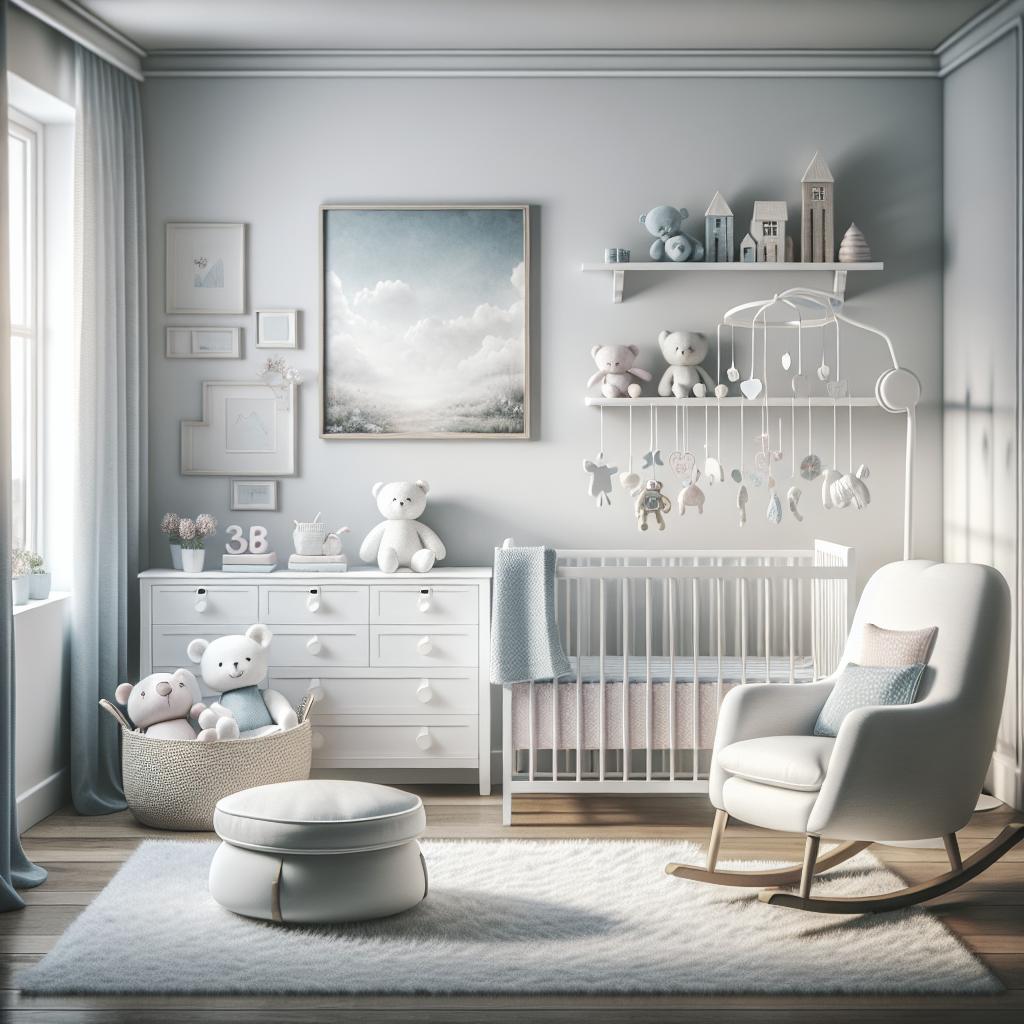
Designing a calming nursery is an important task for expectant parents, as creating a soothing environment for their baby can promote relaxation and better sleep. The design process requires careful consideration of various elements, from color schemes and materials to lighting and safety. This comprehensive guide aims to help parents craft a serene space that not only comforts and enriches their baby’s early life but also adapts as their child grows. We will explore various aspects of nursery design such as choosing a soothing color palette, incorporating natural materials, ensuring effective lighting, prioritizing comfort, maintaining a clutter-free space, integrating soothing sounds, adding personal touches, ensuring safety, and allowing room for growth. By thoughtfully combining these elements, you can create a nursery that is not only visually appealing but also provides a safe and nurturing environment for your baby.
Soothing Colour Palette
Choosing the right color palette is crucial for setting a calming tone in the nursery. Soft, muted colors such as pastel blues, greens, and neutrals are often recommended because they create a serene atmosphere conducive to relaxation. Unlike bright or overly vibrant shades, which can be stimulating, these gentle hues help foster a sense of peace and tranquility. It’s important to consider how colors can affect your baby’s mood. For example, shades of blue have been known to have a calming effect, promoting relaxation and sleep. Greens can also be soothing, connecting your baby with nature. When selecting colors, test swatches on the walls and observe them at different times of the day to ensure the ambiance remains tranquil under various lighting conditions. Don’t shy away from incorporating a few subtle accents for visual interest. Soft pops of color, like pale peach or lavender, can be introduced through accessories or artwork to provide a gentle contrast without overwhelming the senses.
Natural Materials and Textures
Incorporating natural materials and textures into the nursery design can significantly enhance its calming effect. Materials such as wood and cotton not only add a touch of nature but also bring warmth and coziness to the space. Opt for wooden cribs, dressers, and shelving made from sustainable sources to create an eco-friendly environment. Textures play an essential role in creating a nurturing atmosphere. Soft and breathable fabrics like organic cotton or linen for bedding, curtains, and upholstery promote comfort and tranquillity. A plush area rug made from natural fibers can provide a soft surface for play and exploration, all while adding layers of texture that contribute to a calming sensory experience. Using natural elements like a wicker basket for storage or a woolen throw can further embellish the space. Remember, the goal is to create an environment that feels gentle and inviting, encouraging relaxation for both the baby and the parents.
Lighting Matters
Lighting dramatically influences the ambiance of a nursery, making it a crucial element in designing a calming space. Natural light is a powerful mood enhancer, so maximize it by keeping windows unobstructed and using sheer curtains to diffuse harsh sunlight. The gentle flow of daylight will create a warm and inviting space for your baby. In the evenings, soft, adjustable lighting is essential to fostering a calming environment. Consider using dimmable lamps or installing a dimmer switch to control the intensity of the light. Soft, warm-toned bulbs are preferred over cool white lighting, as they create a cozy atmosphere that helps wind your baby down for sleep. Don’t forget to include a small nightlight for those middle-of-the-night feedings or diaper changes. A nightlight provides just enough illumination to navigate the room without disturbing your baby’s slumber. Choose one with a soft glow that complements the rest of the nursery’s lighting scheme.
Comfort is Key
A nursery should be a sanctuary of comfort, providing both the baby and the caregivers with a sense of ease and relaxation. Start with the crib, ensuring it is safe, sturdy, and equipped with a comfortable, breathable mattress. Opt for hypoallergenic bedding that is soft to the touch, helping to create a snug sleeping environment. Beyond the crib, consider seating arrangements for the parents. A comfortable chair or glider is a must-have for those long nights and feeding times. Look for one that provides ample back support and is upholstered in easy-to-clean fabrics to handle the inevitable spills and messes. Finally, carpeting or rugs within the nursery should be soft and plush enough for crawling and exploring. Prioritize safety and comfort by choosing non-slip options that cushion the floor, making it a safe haven for your budding explorer.
Clutter-Free Zone
Keeping the nursery clutter-free is paramount in maintaining a tranquil atmosphere. A disorganized space can be visually overwhelming and stressful, both for you and your baby. Start by minimizing the number of toys and decorations, focusing on quality over quantity. Choose items that are meaningful or contribute to the soothing aesthetic of the room. Implement smart storage solutions like multi-functional furniture that offer storage compartments, such as ottomans or benches. Utilize shelves and baskets to organize toys, books, and other essentials, keeping the floor space open and uncluttered. This approach not only enhances the room’s aesthetic but also makes cleaning and organization more manageable. Establishing a regular tidying routine will help maintain the room’s serenity, ensuring it remains a peaceful place for your baby to rest and play. Remember, a clutter-free environment encourages focus and calm, supporting your child’s development and well-being.
Soothing Sounds
Creating a calming auditory environment can greatly enhance the nursery’s soothing qualities. Consider incorporating a sound machine or white noise generator to aid in creating a peaceful ambiance. These devices can mimic familiar sounds like rain or ocean waves, which can help lull your baby to sleep. For those looking to add a personal touch, playing gentle music or lullabies can be an effective way to introduce soothing sounds. Choose melodies that are soft and repetitive to create a relaxing soundscape that promotes restfulness. Time these sessions to coincide with naps or bedtime routines to reinforce the association with sleeping. Be mindful of any potentially noisy household activity, and consider soundproofing measures if necessary. Thick curtains and carpets, as well as drafts prevention at doors and windows, can help minimize disruptive external noises, maintaining the nursery as a haven of calm.
Personal Touches
Infusing personal touches into the nursery not only makes it feel unique but also more comforting and connected to your family. Consider adding family photos, personalized art pieces, or hand-knitted blankets to give the space a touch of nostalgia and warmth. Select a few special decorative items that reflect your family’s values or heritage. This could be as simple as custom artwork or items collected from family travels. The presence of these personalized elements introduces familiarity, making the space feel like a special place for both the parents and the baby. Finally, keep the future in mind when personalizing the nursery. Decorations and furnishings that can transition with your growing child will help maintain a sense of continuity and comfort as the room evolves from a nursery to a toddler’s room.
Safety First
When designing a nursery, safety must be a top priority. Ensure that all furniture complies with current safety standards, particularly the crib. Check for certifications that signal adherence to safety guidelines, and position the crib away from windows, curtains, and cords to prevent hazards. Anchor heavy furniture, such as bookshelves and dressers, to the walls to prevent tipping. Covers for electrical outlets and secured window cords or cordless blinds will also mitigate potential risks. These minor adjustments ensure the space is not only peaceful but secure. Maintaining a safe atmosphere for your baby extends beyond the initial setup; regular checks of the furniture and equipment ensure everything remains in optimal condition as the child grows and becomes more mobile.
Room to Grow
As exciting as designing a nursery can be, it’s essential to plan for the space to transition as your child grows. Opt for furniture that can adapt with your child’s needs, such as a convertible crib that transforms into a toddler bed. This foresight saves both time and resources in the long term. Consider flexible storage solutions that can change with the growing number of your child’s belongings. Adjustable shelving or modular storage systems allow for easy reorganization as toys and clothes evolve with your child’s interests and size. Decorate with longevity in mind, choosing colors, themes, and elements that can grow with your child. This approach not only helps maintain a consistent aesthetic but also ensures the room remains a comforting and familiar environment as your child transitions from infancy through early childhood.
Final Words
Designing a calming nursery is a thoughtful process, with each element contributing to the overall sense of peace and safety. As you embark on this journey, remember that even small, mindful choices can make a significant difference in how the space feels. By focusing on soothing colors, natural materials, effective lighting, comfort, and safety, while allowing for personal touches and growth, you can create a haven that nurtures your baby and provides you with the serenity you need as a parent. Enjoy the process, and cherish the special moments shared in this serene haven you’ve lovingly crafted. “`html
| Aspect | Details |
|---|---|
| Soothing Colour Palette | Use soft, muted colors to create a tranquil atmosphere. |
| Natural Materials and Textures | Incorporate wood, cotton, and natural fibers for warmth. |
| Lighting Matters | Maximize natural light and use dimmable lamps for warmth. |
| Comfort is Key | Focus on a comfortable crib and seating arrangements. |
| Clutter-Free Zone | Implement smart storage to maintain a serene environment. |
| Soothing Sounds | Use sound machines or music to create a calming soundscape. |
| Personal Touches | Add decorative elements that reflect family values and history. |
| Safety First | Ensure furniture meets safety standards and mitigate risks. |
| Room to Grow | Plan for furniture and decor that transition with your child. |
“`