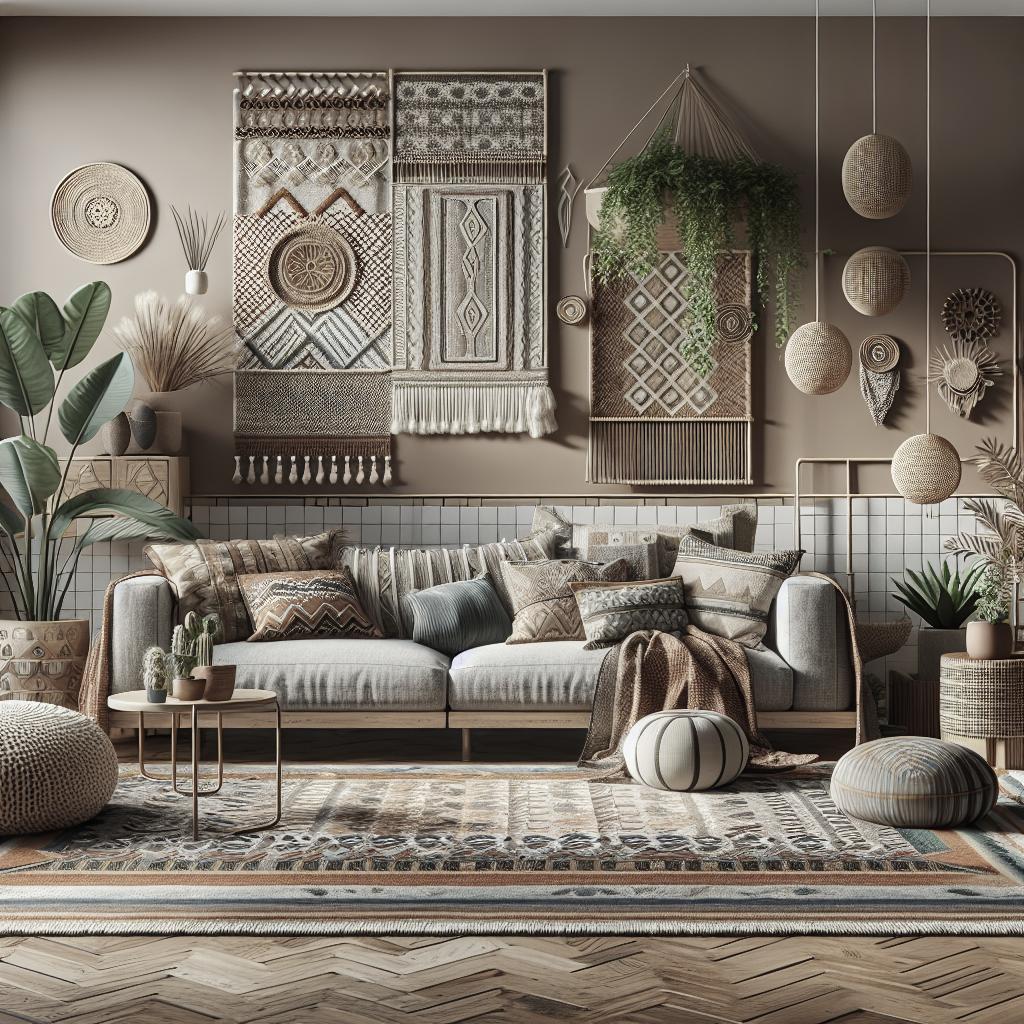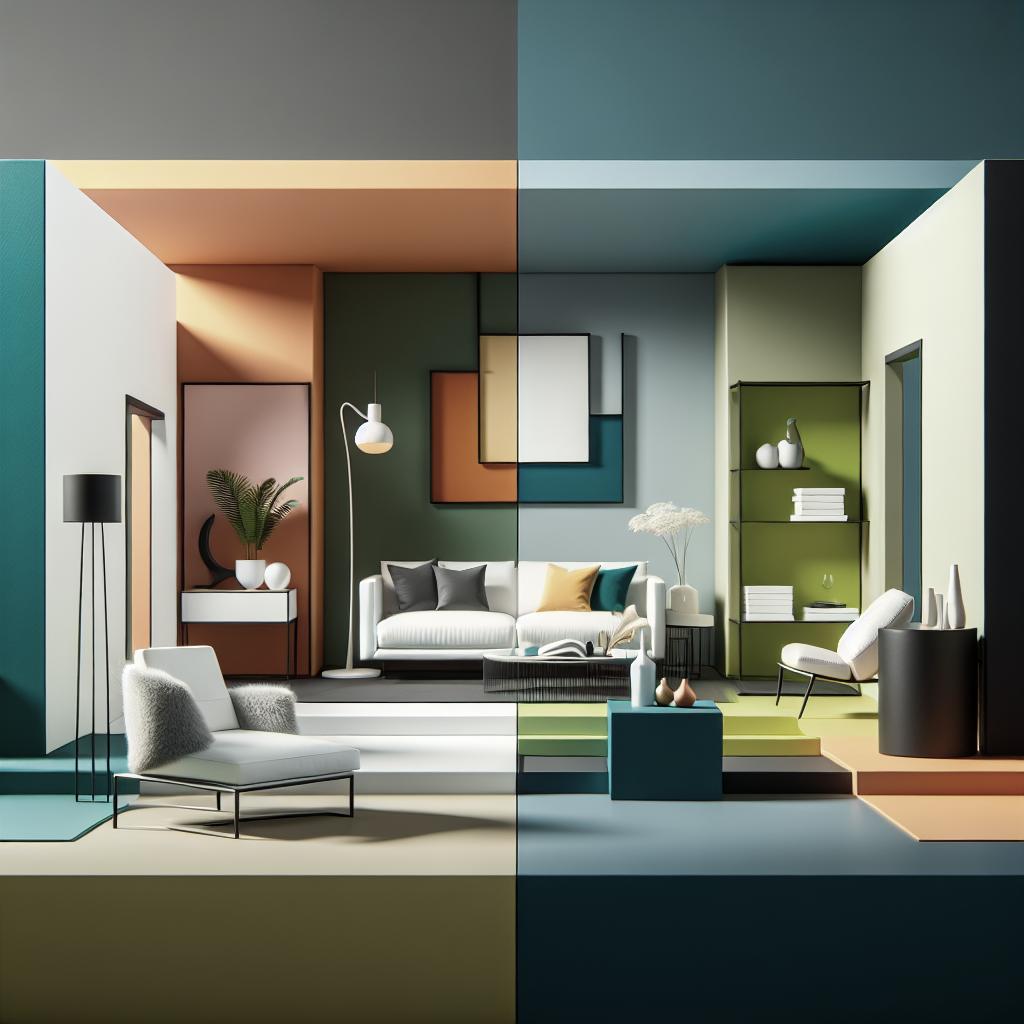
Color blocking has emerged as a dynamic and vibrant design trend, enabling homeowners to infuse their living spaces with energy and personality. By incorporating blocks of color, you can transform the look and feel of a room while showcasing your unique style. This versatile technique adapts to any home décor, making it an ideal choice for those looking to revamp their interiors. In this blog post, we’ll delve into practical color blocking ideas, explore inspiring examples, and offer tips on how to use this trend to define and enhance spaces. Whether you prefer bold, dramatic effects or subtle, soothing palettes, color blocking has something to offer. Join us as we explore how to create eye-catching aesthetics, embrace daring colors, and make thoughtful design choices to elevate the ambiance of your home. ## Color Blocking Ideas Color blocking involves the strategic use of distinct hues to create contrast and interest in a space. One idea is to use complementary colors from opposite sides of the color wheel to make bold statements. Shades like navy paired with coral or teal with rust can create dynamic contrasts that invigorate a room. Another approach is to use monochromatic color blocking, where different shades, tints, and tones of the same color are used together. This technique can create a sophisticated and harmonious look, perfect for creating a peaceful atmosphere in a bedroom or study. Select one base color and vary its saturation across different elements in the room, from furniture to accents. For those who prefer a more eclectic style, mixing and matching vibrant colors is a daring but rewarding strategy. By choosing two or three strong colors, you can create an energizing space that expresses a unique personality. The key here is balance; ensure that colors complement rather than clash to maintain a cohesive look. ## Color Blocking Examples to Incorporate into Your Home One of the simplest ways to incorporate color blocking is by painting sections of a wall in different colors. Use tape to create clean lines and experiment with different shapes—horizontal stripes, vertical blocks, or geometric patterns can make a striking impact. Furniture is also a great medium for color blocking. Consider pieces like a sideboard, bookshelf, or even kitchen cabinets painted in contrasting shades. This method not only refreshes furniture but also ties together varied color elements throughout your home, providing continuity and focus. Textiles offer another opportunity for color blocking. Area rugs with bold patterns, throw pillows with geometric designs, or curtains featuring color panels can enhance a room’s aesthetic. These items are easy to change, allowing for experimentation with different color schemes without long-term commitment. ## Going Bold Bold color blocking is about making a statement and is perfect for those who aren’t afraid to experiment with a mix of colors. A vibrant wall mural using reds, blues, and yellows can transform a living room into a gallery-like space, adding depth and character. Incorporating bold color blocking doesn’t just apply to walls; consider using the technique with furniture or artwork. A brightly painted dining table surrounded by chairs painted in blocks of contrasting colors can create a vibrant and inviting atmosphere for dining experiences. Lighting fixtures are also an excellent tool for adding bold color. A statement chandelier with multicolored glass features or pendant lights with different colored shades can accentuate the color palette of your room and draw the eye upwards, enhancing the perception of space. ## Half and Half The half-and-half color block technique involves dividing a wall horizontally, using two different colors to create an impactful visual effect. This approach works particularly well in smaller spaces, where a darker color on the bottom can ground the room, while a lighter shade on top opens up the space. This method can also be applied to soft furnishings. A sofa divided into two-tone upholstery, with cushions reflecting the same split, not only adds interest but also contributes to a sense of coherence within the color scheme. For a modern twist, you can incorporate half-and-half color blocking in unexpected places like door frames or window sills. By using contrasting colors in these areas, you can create focus and detail that enhances the architectural features of your home. ## Defining the Space Color blocking is an ideal method for defining and delineating spaces, especially in open-plan layouts. Use different blocks of color to highlight functional areas like dining, lounging, and working spaces, creating a sense of structure without the need for physical dividers. Colored rugs can serve as platforms for different zones in a room, while painted ceilings or floors in a contrasting color can define areas from the top or bottom. This is particularly effective in defining a dining area within a large living room or setting off a cozy study nook by using dark, enveloping shades. Similarly, using color blocking across walls and floors can guide the flow of movement throughout the space, drawing attention to architectural lines and interaction zones. This demarcation can enhance the usability and enjoyment of multifunctional spaces. ## Keeping it Simple If you prefer a more understated approach, simple color blocking can provide the desired effect without overwhelming the senses. Use pastel tones or neutrals to subtly segment an area—muted blues and greens or soft pinks and grays can gently delineate spaces with elegance. Strategically placing a few broad blocks of color can serve as a backdrop that enhances decorative features such as furniture, artwork, and plants. By using a simplified palette, you allow accent pieces and textures to stand out against a calm background. This approach is especially effective in minimalistic or Scandinavian design styles, where fewer distractions contribute to a serene and uncluttered environment. Employing simple color blocking can maintain simplicity while adding a touch of uniqueness. ## Off the Wall Color blocking doesn’t need to stay on walls alone. Explore using this technique across floors, ceilings, and other unexpected areas to create a unified theme and surprise elements in your décor. A painted ceiling in a bold hue can add height and interest, especially when contrasting with neutral walls. Floor tiles or a color-blocked rug across an open-plan area can also serve as an intrinsic part of the room’s design. This not only helps in defining spaces but also serves as a conversation starter, creating an interactive visual journey for anyone entering the space. Fixtures such as light switches, socket covers, or even radiators can be painted as part of your color-blocking efforts. Such details can often go unnoticed but can be coordinated with other elements to weave the color theme throughout the room effectively. ## Final Thoughts As we reflect on the creative aspects of color blocking, it’s clear that this technique offers a multitude of opportunities to express individuality and add layers of interest to any room. Whether going for a bold and daring look or a subtle and serene atmosphere, color blocking transcends mere design—it transforms interiors into dynamic spaces that reflect the inhabitant’s style and sensibilities. With strategic execution and a thoughtful approach, color blocking can revolutionize your home’s aesthetic, offering a fresh perspective on spatial design.
| Sections | Main Ideas |
|---|---|
| Color Blocking Ideas | Explore complementary colors, monochromatic schemes, and vibrant color mixes for dynamic design. |
| Color Blocking Examples to Incorporate into Your Home | Implement color blocking through walls, furniture, and textiles to energize spaces. |
| Going Bold | Create statement pieces with bold color blocking on walls, furniture, and lighting. |
| Half and Half | Divide walls horizontally for impactful visuals, use two-tone furnishings to enhance coherence. |
| Defining the Space | Demarcate zones in open-plan areas using color to enhance usability and flow. |
| Keeping it Simple | Use pastel tones and neutrals for subtle segmentation, elevate minimalistic designs. |
| Off the Wall | Incorporate color blocking on ceilings, floors, and fixtures for unique design elements. |
| Final Thoughts | Color blocking transforms spaces with individuality and design dynamism. |
### For more examples of colorful interiors, check out these posts: Explore vibrant designs and innovative uses of color blocking with our curated content on contemporary interior styles. ### Erika Conner Delve into the expertise of Erika Conner, a renowned interior designer known for her innovative color blocking techniques.