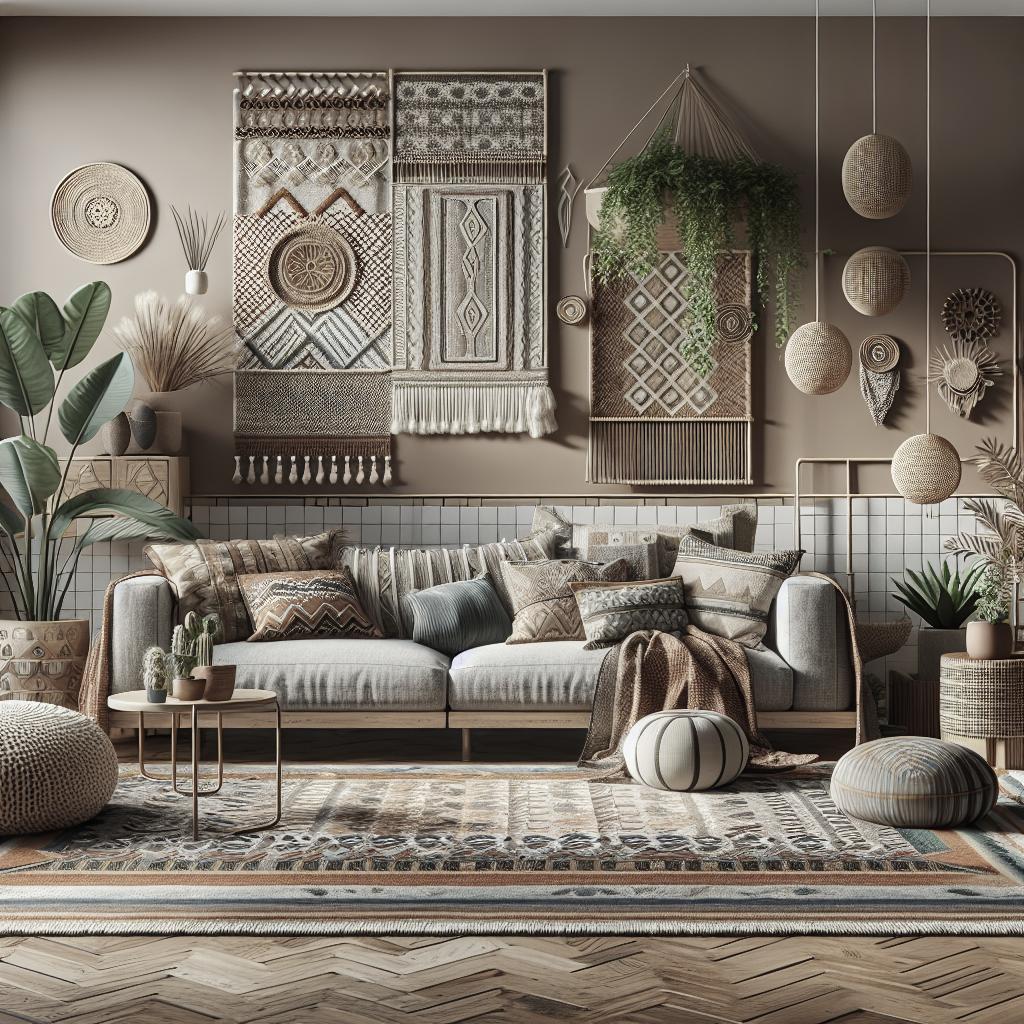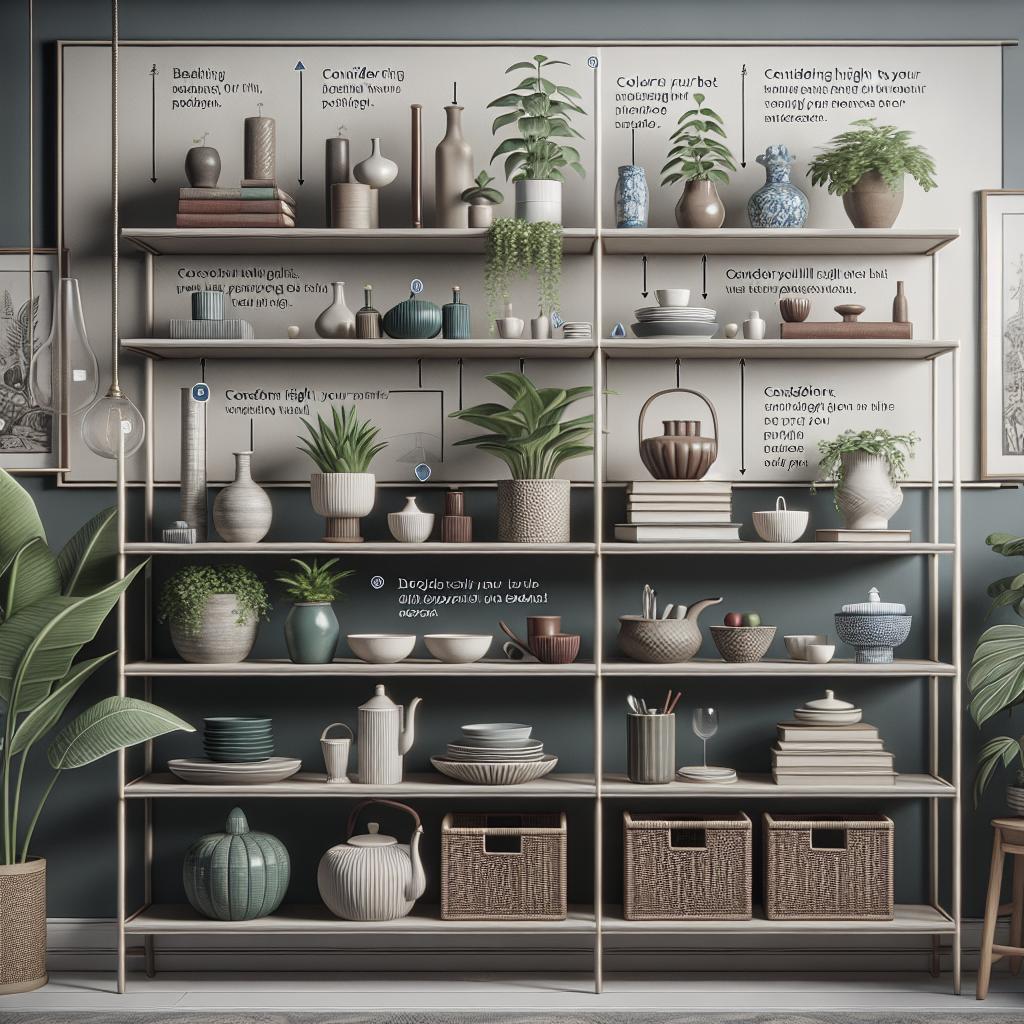
Open shelving has become a popular choice in home design, offering a unique way to display your personality and style while maintaining functionality. Unlike traditional cupboards, open shelves provide the flexibility to showcase your favorite items, whether they be books, art pieces, or collectibles, offering a vibrant, lived-in look to any space. Styling open shelving involves more than simply placing items haphazardly. It’s about creating balance, introducing variety, and ensuring that each item tells a part of your story while contributing to the overall aesthetic of the room. This blog post delves into practical tips for styling open shelves, from decluttering and thoughtful purchasing to creative organization and the incorporation of art and books. By following these guidelines, you can transform your shelving into a dynamic and beautiful focal point that reflects your unique taste while serving functional purposes. ### Cut the Junk When styling open shelves, the first step is to eliminate any clutter or junk from your display area. Open shelving is all about showcasing meaningful and aesthetically pleasing items, so start by assessing your current collection. Identify which items are essential and which ones can be removed. This not only creates a cleaner look but also allows the remaining items to stand out and shine without distractions. Next, consider how often you use each item. Keep only those that you love or that serve a purpose. This helps prevent overcrowding and ensures that each piece has enough space to be appreciated. Moreover, regularly reassess your shelves to make sure that new clutter hasn’t crept in over time, maintaining a fresh and appealing look throughout. Finally, embrace the concept of minimalism. Less is often more when it comes to open shelving. By cutting out unnecessary items, you make room for those with more significant impact, creating a cohesive display that’s both functional and visually appealing. ### Buy Items Slowly But Surely Styling open shelves isn’t a process that should be rushed. Instead of buying everything at once, take the time to slowly accumulate pieces that truly resonate with you. This approach ensures that each item has meaning and contributes to the overall narrative you’re trying to create with your shelves. Start by identifying the types of items you want to include. Perhaps you’re drawn to vintage finds, or you have a penchant for handmade ceramics. As you shop over time, you’ll naturally curate a collection that reflects your style, instead of forcing together unrelated items for the sake of filling space. Remember, building a collection can be a lifelong journey. By enjoying the process of slowly discovering treasures, you’ll inject both personality and authenticity into your shelves, creating a display that tells a rich and evolving story. ### Think Outside The Box When Shopping When selecting items for your open shelves, don’t feel confined to traditional decor stores. Think outside the box by exploring thrift shops, flea markets, and even nature for unique finds. This allows for more creative and personalized selections, ultimately leading to a display that stands out. Consider incorporating unexpected objects, like antique kitchen tools or geological specimens, to add character and spark conversation. Mixing in these unconventional pieces can create a more dynamic and eclectic arrangement, which can be more visually stimulating than a monotonous, predictable display. Furthermore, shopping in unconventional places often yields more unique and one-of-a-kind pieces, preventing your shelves from looking like everyone else’s. By choosing items that speak to you personally, you’re more likely to develop a distinctive style that is uniquely yours. ### Incorporate Some Books Books are a great way to add depth and interest to open shelving. They bring color, texture, and personal touch, making your display feel homey and complete. Start by selecting a range of books that vary in size, color, and thickness to create visual interest and balance. Books can also serve as a great backdrop or foundation for smaller pieces. Use stacks of books to elevate vases, sculptures, or other decorative items, allowing them to stand out more prominently. This layering effect can add dimension and draw the eye to various focal points across your shelves. Additionally, books can communicate your interests and passions, giving visitors insight into who you are. Include titles that you find inspiring, informative, or simply enjoyable, constructing a narrative that reflects your personality and intellectual curiosities. ### Vary Book Positioning To create an engaging and dynamic shelf display, vary the positioning of your books. While traditional vertical stacking is expected, consider mixing horizontal stacks with vertical arrangements. This variation creates movement and can help break the monotony of rows and columns. Place some books on their side and stack them to create platforms for other decorative items like candles or small plants. This not only adds visual intrigue but also allows for greater layering possibilities, enhancing the overall complexity of your arrangement. Experiment with leaning books against the back of a shelf. This adds a casual feel and can create an interesting backdrop that contrasts with the more structured elements on your shelves. By playing with orientation, you’ll invite more fluidity and spontaneity into your display. ### Spread Out Colors The use of color can significantly impact the look and feel of your shelving. To achieve a balanced aesthetic, consciously spread out colors across your shelves. Avoid clustering hues too closely together, as this can create visual chaos and make sections feel disjointed. Instead, introduce a diverse palette subtly and evenly. For instance, if you have a collection of ceramics in varying shades, space them out so no single color dominates a particular area. Additionally, consider the room’s existing color scheme to ensure harmony between your shelves and the broader space. Integrate neutral tones alongside pops of color to maintain a sophisticated and versatile look. Neutrals can act as a calming counterbalance, preventing vibrant shades from overwhelming the space while allowing them to appear more intentional and striking. ### Have Fun With Paint A creative way to personalize your open shelves is by playing with paint. Consider painting the back of your shelves a bold color or an unexpected pattern to introduce visual excitement. This technique can make both the shelves and their contents pop, acting as an eye-catching accent that complements the room’s decor. You could also employ paint to refresh old items, giving them new life and allowing them to blend in with or stand out against your current collection. By painting picture frames, vases, or even book spines, you can introduce cohesive elements that tie the entire display together. Embrace bold choices but balance them with subtle touches to maintain aesthetic harmony. Remember, paint is one of the easiest and most reversible ways to transform a space, offering endless possibilities for experimentation without long-term commitment. ### Incorporate Art Art is a fundamental design element that can enhance your shelving display by introducing various textures, colors, and dimensions. Select pieces that resonate with your personal taste, whether it’s a collection of small framed prints or a single large painting carefully placed among your decor. Choose a mix of artistic styles to create depth and interest. Abstract works can be paired with more traditional prints, resulting in a layered, engaging look that captures attention. Size variation will also add hierarchy, drawing the eye naturally across the shelves. Incorporating art can also offer creative ways to bridge different styles within your collection, acting as a unifying element that ties various items and arrangements together. By thoughtfully integrating art, your shelving can become a dynamic gallery that reflects your personal style and artistic preferences. ### Skip the Excessive Family Photos While personal touches are important, using excessive family photos on open shelves can overwhelm the design. Consider selecting one or two significant photos rather than a plethora of images, maintaining a clean and balanced aesthetic that allows your decor and personal style to shine. Choose photos that are meaningful and professionally presented, perhaps in uniform frames, to maintain consistency and sophistication. Opt for black and white photography for a classic look, or incorporate sepia tones to introduce warmth. By limiting the number of family photos, you create an opportunity to explore other decor avenues. This encourages a broader range of items and styles on display, resulting in a more versatile and dynamic shelving arrangement. ### Consider Item Weight The balance of your shelves isn’t just aesthetic; it’s also about practical stability. Consider the weight of the items you’re placing on your shelves to ensure they are not overloaded. Heavy items are best placed near the bottom, providing a sturdy foundation. For lighter, more delicate items, distribute them evenly across higher shelves, creating an airy and unobtrusive arrangement. This helps prevent a top-heavy appearance and ensures that every shelf maintains structural integrity. By thoughtfully considering the weight distribution, you can avoid the risk of tipping or bowing shelves while also achieving a balanced and harmonious display. This practical approach to styling will not only enhance the overall look but will also ensure the longevity of your shelving. ### Rearrange as You Wish The beauty of open shelving is its inherent flexibility, allowing for ongoing changes as your tastes evolve and new items are added. Don’t hesitate to rearrange your shelves whenever inspiration strikes, keeping the display fresh and reflective of your current style. Experiment with different arrangements and configurations, discovering new ways to showcase your collections. Rotate items in and out to highlight new favorites or seasonal pieces, maintaining a dynamic and engaging display. Ultimately, your open shelving should be a living, changing reflection of your personal style and the things you love. By embracing change and allowing yourself the freedom to rearrange, your shelving will remain a constant source of inspiration and enjoyment. ### Final Thoughts For a quick summary, here’s a table highlighting the key points discussed: “`html
| Tip | Description |
|---|---|
| Cut the Junk | Eliminate clutter to highlight meaningful items, keeping the display clean and organized. |
| Buy Items Slowly But Surely | Accumulate pieces over time for a meaningful and cohesive collection. |
| Think Outside The Box When Shopping | Explore unconventional places for unique finds that add character. |
| Incorporate Some Books | Use books to add depth, color, and personal touch to your display. |
| Vary Book Positioning | Mix horizontal and vertical arrangements for visual intrigue. |
| Spread Out Colors | Evenly distribute colors to maintain balance and harmony. |
| Have Fun With Paint | Use paint creatively for a personalized and dynamic backdrop. |
| Incorporate Art | Introduce art to enhance interest and create a cohesive display. |
| Skip the Excessive Family Photos | Limit family photos to maintain a clean, balanced aesthetic. |
| Consider Item Weight | Balance item weight to ensure stability and structural integrity. |
| Rearrange as You Wish | Embrace change and flexibility to keep your display fresh and engaging. |
“` By following these diverse and creative tips, you can transform your open shelving from a functional storage space into a vibrant showcase of your personal taste and style.