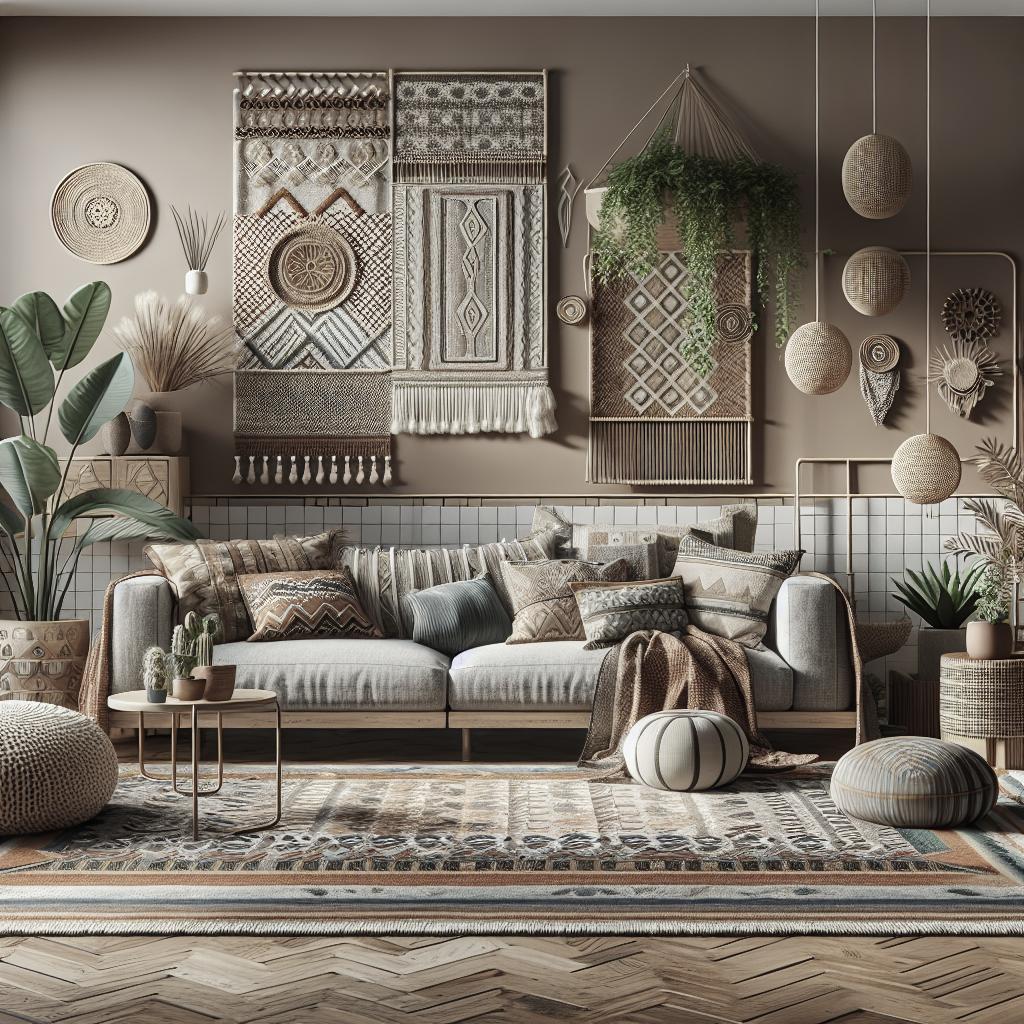
The Features of a Contemporary Home: Exploring Diverse Styles and Influences In the ever-evolving world of architecture, contemporary homes offer a fusion of innovative design elements and time-honored traditions. This exploration delves into the myriad features that define contemporary homes today. From embracing traditional architectural roots like Ranch and Farmhouse styles to incorporating modern, industrial, and international influences, contemporary homes are as versatile as they are unique. This article examines how these architectural styles integrate with nature, repurpose existing structures, and utilize modern materials to create harmonious living environments. We’ll also explore how contemporary designs create seamless indoor-outdoor living spaces, adapt to various landscapes, and cater to coastal and nature-inspired aesthetics. Furthermore, the two-story and industrial designs showcase the functional and aesthetic versatility inherent in contemporary architecture. Ultimately, this comprehensive look at contemporary home features aims to inspire and inform, offering insights into the diverse possibilities that these modern dwellings present. —
Contemporary Architecture
Contemporary architecture reflects a period of architectural design that is constantly evolving and adapting, characterized by its reflection of current trends and innovative techniques. Unlike traditional architectural styles, which adhere to strict guidelines rooted in historical influences, contemporary architecture prioritizes functionality and simplicity, emphasizing clean lines and open spaces. This approach often incorporates sustainable materials and cutting-edge technology to enhance energy efficiency and environmental harmony. The hallmark of contemporary architecture is its flexibility and adaptability to incorporate a variety of styles and influences. This blend results in structures that often boast unique designs tailored to the needs and preferences of the occupants. As a dynamic style, contemporary architecture allows for personalization and creativity, seamlessly integrating elements such as large glass windows for natural light, open floor plans, and minimalistic design aesthetics. —
Consider These Classic Architectural Styles
Classic architectural styles provide a rich foundation for contemporary homes, offering distinct characteristics that can be adapted and reimagined. Styles like Victorian, Colonial, and Tudor have long influenced residential architecture, known for their intricate detailing, symmetry, and historical significance. While these traditional designs may appear distant from contemporary styles, they serve as a source of inspiration, encouraging architects to blend the old with the new. Adaptation of classic elements allows contemporary homes to evoke a sense of nostalgia while maintaining modern functionality. This fusion often includes the use of traditional materials like brick or stone combined with modern elements like steel or glass. This harmonious blend respects the past while embracing the future, providing homeowners with unique and personalized aesthetics that reflect the charm of classic architecture within a modern framework. —
Contemporary Ranch Home
The contemporary ranch home takes inspiration from the simplicity and practicality of mid-20th-century ranch styles, reimagining these single-story layouts to meet modern living standards. These homes emphasize expansive, open floor plans that facilitate ease of movement and create a sense of spaciousness across the living areas. With a focus on connecting indoor and outdoor spaces, many contemporary ranch homes incorporate large windows and sliding glass doors that open to patios or gardens. Modern ranch homes often feature sleek, minimalist lines, and a neutral color palette, enhancing their aesthetic appeal. Built with energy-efficient materials and designs, these homes resonate with those seeking functionality and style, offering a comfortable and convenient living space that embraces both tradition and innovation. —
Contemporary Farmhouse
The contemporary farmhouse combines the charm and warmth of rural farmhouses with modern amenities and aesthetics. This style retains traditional elements, such as a steeply pitched roof, large porches, and rustic materials like wood and stone. At the same time, it incorporates modern touches, such as open-plan interiors, ample natural light, and advanced technological features. Contemporary farmhouses appeal to homeowners who appreciate a blend of pastoral beauty and modern convenience. The exterior often preserves the inviting nature of historical farmhouses, while the interior surprises with sleek designs and cutting-edge features. This harmonious integration results in a home that offers a cozy, welcoming atmosphere without sacrificing contemporary comforts. —
Modern Contemporary Home
Modern contemporary homes are defined by their commitment to simplicity, functionality, and innovation. These homes feature clean lines, open spaces, and an emphasis on integrating indoor and outdoor living elements. Often characterized by flat or slanted rooflines, expansive windows, and minimalist facades, modern contemporary homes focus on creating an uncluttered aesthetic that prioritizes natural light and a seamless flow of space. Interior spaces in modern contemporary homes showcase a harmonious blend of materials such as concrete, glass, and natural wood, creating a balanced and sophisticated living environment. Technological integration, with smart home systems and energy-efficient solutions, often plays a significant role, ensuring that these homes meet the demands of modern life without compromising on style or function. —
Midcentury Modern Design
Midcentury modern design stands out as a significant influence in contemporary architecture, characterized by its emphasis on simplicity, functionality, and integration with nature. Originating in the post-war era, this style features clean lines, flat planes, and large glass windows that bring the outdoors in. The use of both traditional and non-traditional materials, such as wood, metal, and glass, adds to its distinctive aesthetic. Incorporating midcentury modern elements into contemporary homes allows for nostalgic yet timeless designs that emphasize openness and efficiency. These homes often feature indoor-outdoor living spaces, where patios and garden areas extend seamlessly from the interior living areas, highlighting a harmonious connection with the surrounding environment. —
Connecting Contemporary Homes to Nature
Contemporary homes often prioritize a strong connection to the natural environment, using design elements that blur the lines between indoor and outdoor spaces. This connection is achieved through the use of large windows, open floor plans, and strategic landscaping that incorporates natural elements into the home’s design. Materials such as wood and stone are frequently used to enhance this seamless integration, creating a home that feels part of its natural surroundings. Rooftop gardens, outdoor kitchens, and living areas extend the functional space and provide a tranquil setting for relaxation and entertainment, ensuring that the beauty of nature is never far away. —
Repurposed Contemporary Home
Repurposing existing structures into contemporary homes is a growing trend, reflecting a commitment to sustainability and innovation. By transforming old warehouses, barns, or industrial buildings into modern residences, architects can retain a site’s historic character while injecting new life into the space through contemporary design elements and technologies. Repurposed homes often feature exposed structural elements like beams and brickwork, offering a rustic charm unique to each space. These homes can also incorporate modern sustainability practices, such as solar panels and energy-efficient windows, which help reduce environmental impact while preserving the essential character and charm of the original structure. —
International-Style Architecture
International-style architecture, a key inspiration for contemporary homes, emphasizes volume over mass and balance over symmetry. This approach often features minimalist forms, open spaces, and the absence of ornamentation, creating a sleek and modern aesthetic. Expanses of glass, steel, and industrial materials contribute to this style’s unique appearance, focusing on functionality and simplicity throughout. Contemporary homes adopting international-style principles maintain this minimalist ethos, emphasizing functionality and efficiency. The result is a living space that is both sophisticated and practical, suitable for urban environments where space and resources are often limited, yet lifestyle demands are high. —
Versatile Contemporary Home
Versatility is a defining feature of contemporary homes, which are designed to adapt to the needs and lifestyles of modern occupants. Such homes often feature flexible spaces that can be customized for different purposes, such as home offices, studios, or guest accommodations. This adaptability ensures that a contemporary home remains functional as life circumstances change. The use of movable walls, modular furniture, and multi-functional spaces enhances versatility, enabling homeowners to tailor their homes to specific activities and preferences. This ability to transform spaces contributes to the enduring appeal of contemporary homes, allowing them to evolve with the owners’ needs over time. —
Contemporary Home Design
Contemporary home design prioritizes aesthetic appeal and functionality, intertwining elements such as innovative floor plans, expansive windows, and cutting-edge materials. The focus often lies in creating environments that not only appear aesthetically pleasing but actively enhance the well-being and lifestyle of inhabitants. By integrating technology, sustainability, and flexible spaces, contemporary home design reflects the demands of modern life, ensuring that homes remain comfortable, efficient, and stylish. These designs often incorporate various architectural influences, resulting in unique, personalized spaces that reflect an owner’s style and values. —
Contemporary Outdoor Living Space
Outdoor living spaces have become integral parts of contemporary home design, reflecting a desire to enhance lifestyle quality through extended living areas. These outdoor spaces often feature amenities such as kitchens, lounges, and dining areas that seamlessly connect with indoor spaces, providing a sanctuary for relaxation and entertainment. The use of complementary materials and design elements ensures that outdoor spaces blend organically with the home’s décor. Incorporating features like fire pits, water fountains, and landscaped gardens enriches the ambiance, allowing homeowners to enjoy the benefits of nature and recreation within the comfort of their property. —
Contemporary House and Landscape
Contemporary homes pay careful attention to their surrounding landscapes, integrating architecture with natural elements to create harmonious living spaces. Thoughtful landscaping not only enhances a home’s aesthetic appeal but also supports ecological sustainability through native planting and water-conserving designs. Through the strategic use of slopes, terraces, and garden structures, contemporary homes achieve a seamless interaction with the natural environment. The emphasis on native vegetation and eco-friendly landscaping practices helps create serene and functional outdoor environments that enhance both privacy and visual appeal. —
Coastal Contemporary House
Coastal contemporary houses are designed to capture the beauty and tranquility of seaside living while adhering to modern architectural principles. These homes often feature expansive windows and open floor plans that take full advantage of ocean views, with design elements that resist harsh coastal weather conditions. Using materials like weather-resistant wood, stone, and metal, these homes blend durability with aesthetic appeal. Attention to airflow and light maximizes comfort and efficiency, ensuring inhabitants enjoy the serenity of their coastal location while benefiting from modern conveniences and eco-friendly design practices. —
Nature-Inspired Contemporary House
Drawing inspiration from the natural world, nature-inspired contemporary houses focus on integrating natural elements into their design and material choices. These homes prioritize biophilic design principles, incorporating features such as living walls, green roofs, and abundant natural light. Natural textures and colors create calming interiors that promote wellness and mindfulness. By fostering a deep connection to nature, these homes offer a tranquil retreat that values sustainability and environment-friendly living, resonating with those who seek solace and rejuvenation in their living spaces. —
Two-Story Contemporary House
Two-story contemporary houses maximize living space while offering a variety of design options and features. These homes often incorporate open floor plans on both levels, utilizing the vertical space to separate living, working, and recreational activities efficiently. The architectural design may include striking staircases, floor-to-ceiling windows, and innovative décor elements that enhance spatial perception and mobility. Two-story designs also afford greater privacy options, such as secluded master suites on separate levels or versatile reading nooks and study corners carved from available space. —
Contemporary House Materials
Material selection is crucial in contemporary home design, emphasized by the integration of durable and sustainable options that enhance the home’s appearance and efficiency. Key materials, including glass, steel, concrete, and reclaimed wood, are frequently used, each providing unique benefits while supporting architectural intentions and environmental considerations. The focus on using environmentally conscious materials reflects the growing demand for sustainable living solutions, such as bamboo flooring or recycled metal fixtures. These materials not only contribute to aesthetic diversity but also ensure that contemporary homes are built with a view towards longevity and resource conservation. —
Industrial Contemporary Home
Industrial contemporary homes provide an edgy yet sophisticated aesthetic by drawing from urban and industrial settings. Exposed building elements like steel beams, brick walls, and concrete surfaces are celebrated rather than concealed, offering an authentic nod to historical industrial architecture. Coupled with modern comforts, such as smart home systems and energy-saving installations, industrial contemporary homes provide a distinctive living experience. Often found in urban settings, these homes appeal to those who appreciate the rugged beauty of industrial chic blended with the conveniences of contemporary design, creating a unique and functional living space. — Final Thoughts The exploration into the diverse facets of contemporary home design reveals a multidimensional approach to modern living, where creativity meets functionality. Below is a summary table that highlights the key elements discussed throughout this article. “`html
| Subheading | Core Features |
|---|---|
| Contemporary Architecture | Innovation, simplicity, functionality, sustainability. |
| Classic Architectural Styles | Blends traditional aesthetics with modern elements. |
| Contemporary Ranch Home | Open floor plans, indoor-outdoor integration, minimalist. |
| Contemporary Farmhouse | Rustic charm, modern amenities, large porches. |
| Modern Contemporary Home | Clean lines, expansive windows, minimalist design. |
| Midcentury Modern Design | Simple forms, natural materials, indoor-outdoor flow. |
| Connecting Homes to Nature | Natural materials, strategic landscaping, large windows. |
| Repurposed Contemporary Home | Sustainability, historical character, modern elements. |
| International-Style Architecture | Minimalist, volume-centric, functional. |
| Versatile Contemporary Home | Flexible spaces, adaptability, multifunctional. |
| Contemporary Home Design | Innovative, aesthetic appeal, functionality. |
| Outdoor Living Space | Extended living areas, natural integration, relaxation. |
| House and Landscape | Integration with nature, eco-friendly, aesthetic landscapes. |
| Coastal Contemporary House | Ocean views, weather-resistant materials, airflow. |
| Nature-Inspired Contemporary House | Biophilic design, natural textures, sustainability. |
| Two-Story Contemporary House | Vertical space utilization, privacy, design options. |
| Contemporary House Materials | Durable, sustainable, aesthetic variety. |
| Industrial Contemporary Home | Exposed elements, rugged charm, modern comforts. |
“` Through the blending of diverse influences and design philosophies, contemporary homes are uniquely positioned to offer a harmonious, practical, and aesthetically pleasing living environment that reflects both individual tastes and modern values.